Vpn for microsoft edge browser 2026
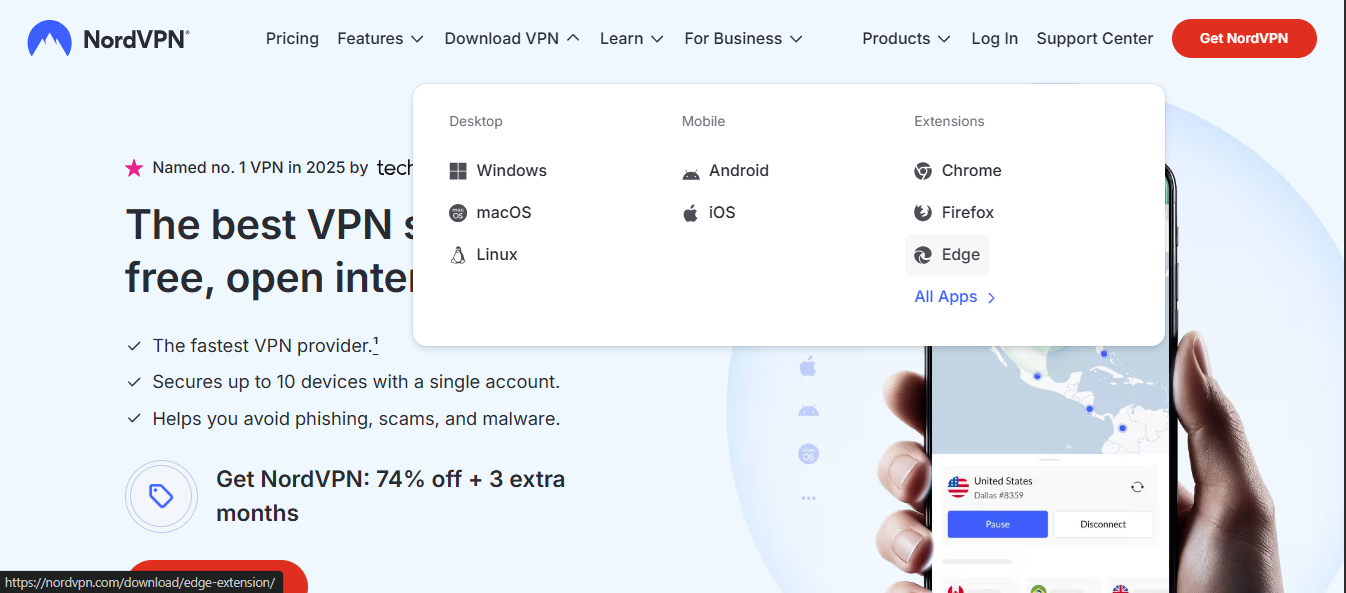
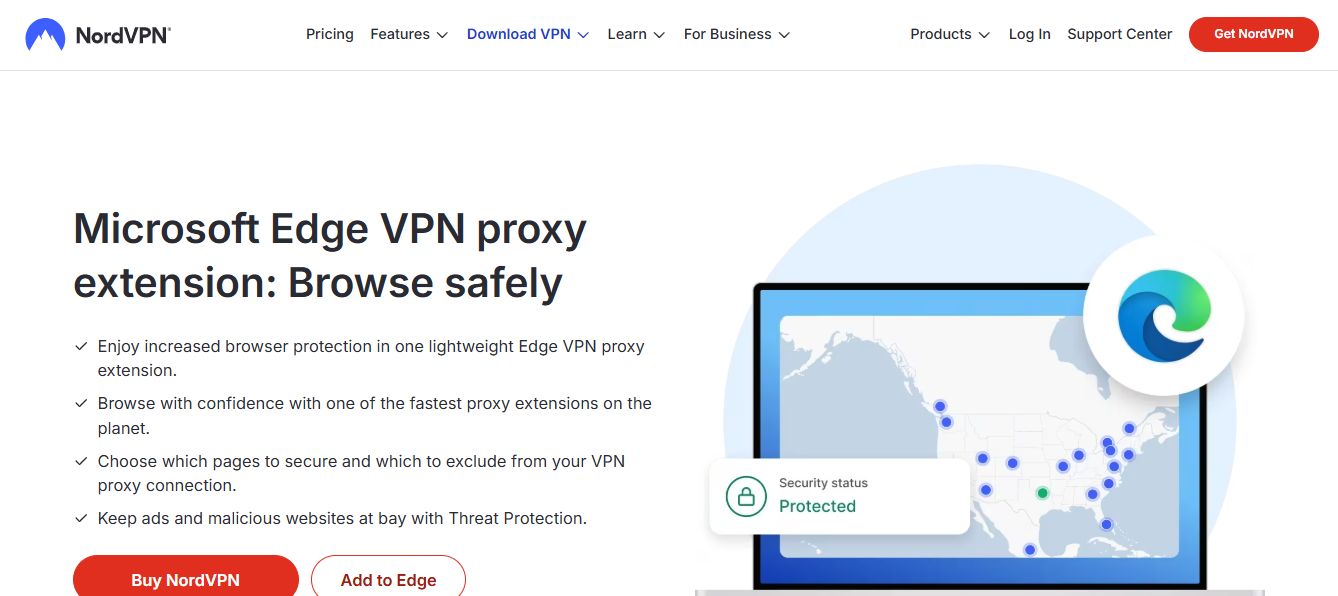
Vpn for microsoft edge browser, a quick intro: using a VPN inside Edge helps protect your privacy, unlock region-locked content, and keep your data safe on public networks. In this guide, I’ll walk you through the best VPNs to use with Edge, how to install and configure them, and practical tips to get the most out of your setup. Here’s a concise roadmap you’ll see in action:
- Why use a VPN on Edge and what it protects
- Top VPNs that work smoothly with Edge
- Step-by-step install and setup for Edge
- Performance tips, speed tests, and data leaks protection
- Security considerations and common pitfalls
- Frequently asked questions to set you straight
Useful URLs and Resources text only, not clickable: Apple Website - apple.com, Artificial Intelligence Wikipedia - en.wikipedia.org/wiki/Artificial_intelligence, VPN comparison site - vpnmentor.com, Microsoft Edge support - support.microsoft.com, Privacy guide - ncl.ac.uk/privacy, Data encryption basics - europa.eu, Internet safety tips - staysafeonline.org
Why use a VPN on Microsoft Edge
- Edge is built on Chromium, so most VPNs that work in Chrome or Firefox will also work in Edge.
- A VPN masks your IP address, so your online activity isn’t tied to your real location.
- It adds encryption to data on unsecured networks, like cafes or airports.
- It helps bypass geo-restrictions for streaming, news, and some education resources.
- Important: a VPN won’t fix poor internet speeds on a weak connection, and it can add some latency.
What to look for in a VPN for Edge
- Browser and system compatibility: Edge extension + desktop app in sync.
- Strong encryption and a clear no-logs policy.
- Fast, reliable servers with good coverage in your regions of interest.
- Kill switch and DNS leak protection.
- Split tunneling to choose which apps or sites go through VPN.
- Simple setup and responsive customer support.
Top VPNs that work well with Microsoft Edge
Note: All options below have reliable Edge support extensions or desktop apps and strong privacy features.
ExpressVPN
- Pros: Excellent speeds, broad server network, strong security, user-friendly apps.
- Edge integration: Edge extension plus Windows app syncs settings.
- Ideal for: streaming, remote work, privacy-conscious users.
NordVPN
- Pros: Large server base, strong privacy tools, threat protection, good price tiers.
- Edge integration: Edge extension and desktop app.
- Ideal for: budget-friendly plans with solid security features.
Surfshark
- Pros: Unlimited devices, affordable, good security suite, fast enough for most tasks.
- Edge integration: Edge extension and full app compatibility.
- Ideal for: families or students with many devices.
Private Internet Access PIA Vpn proxy veepn for edge: how to use vpn proxy veepn for edge browser, edge devices, and setup guide 2026
- Pros: Customizable, large server network, strong privacy stance.
- Edge integration: Edge extension and desktop app.
- Ideal for: power users who want control over settings.
Proton VPN
- Pros: Strong privacy focus, transparent logging policy, good free tier.
- Edge integration: Edge extension support and desktop client.
- Ideal for: privacy-first users and those who want a reputable free-to-paid option.
Windscribe
- Pros: Generous free tier, solid privacy features, easy-to-use.
- Edge integration: Edge extension and desktop app.
- Ideal for: experimenting with VPNs on a shoestring budget.
How to install a VPN on Microsoft Edge step-by-step
Step 1: Decide between a browser extension vs. a full VPN app
- Extensions are quick and lightweight, ideal for simple tasks like private browsing and unblocking some sites.
- Desktop apps system-wide VPN give you full protection for all traffic, including non-Edge apps.
Step 2: Install the Edge extension for browser-only protection
- Open Edge and go to the VPN provider’s official extensions store page.
- Click Add to Edge, then confirm.
- Pin the extension to your toolbar for quick access.
- Sign in with your VPN account and select a server location.
- Tip: If you need to unblock streaming, pick a server in the target country.
Step 3: Install the desktop/app version for full device protection Vpn for edge browser: comprehensive guide to choosing, setting up, and using a VPN with Microsoft Edge 2026
- Go to the VPN provider’s site and download the Windows app.
- Install the application and sign in.
- In the app, choose a server location and connect. The VPN will route all traffic, including Edge.
- Optional: Enable Kill Switch and DNS leak protection in settings.
Step 4: Configure Edge-specific settings optional
- Some VPN extensions offer “local break” or “split tunneling” to choose which sites go through the VPN.
- If you’re using a browser extension, remember that only Edge traffic from the browser will be protected unless you use a system-wide VPN.
Step 5: Test your connection
- Visit a site like whatismyipaddress.com to confirm your IP has changed and to see the new location.
- Check for DNS leaks with dnsleaktest.com.
- If you’re on a school or corporate network, ensure you’re compliant with policies.
Practical tips for Edge users
- Use a separate browser profile for VPN browsing to keep your regular sessions clean and organized.
- If streaming, connect to a server known for low latency in the required region; use speed tests to compare a few locations.
- Enable the VPN’s Kill Switch to prevent data leaks if the VPN connection drops.
- Regularly update both Edge and your VPN extension/app to stay protected against new threats.
- Consider using split tunneling to save bandwidth for tasks that don’t need VPN encryption.
Performance and privacy data you should know
- Server coverage matters: VPNs with 1000+ servers typically offer better odds of finding a fast connection.
- Distance matters: The farther the server, the higher the latency. Choose a nearby or country-allowed server for speed.
- Encryption overhead: AES-256 encryption is strong but may reduce throughput slightly; modern VPNs optimize for speed.
- Logging policies: A strict no-logs policy means less risk if a data request happens; look for independent audits when possible.
- DNS leak protection: Crucial to ensure your DNS queries don’t reveal your true location.
- Kill switch: Vital if you’re on unstable networks, especially on public Wi-Fi.
Common use cases for Edge VPN users
- Bypassing geo-restrictions for educational resources or streaming platforms available in your region.
- Protecting sensitive data on public networks at libraries, cafes, or airports.
- Maintaining privacy on shared computers in labs or classrooms.
- Accessing university resources or internal sites securely from off-campus.
Security best practices you can apply today
- Always enable DNS leak protection and a Kill Switch.
- Prefer trusted providers with audited privacy practices and transparent policies.
- Avoid free VPNs for sensitive data; many free options monetize data or have weaker security.
- Use strong, unique passwords for your VPN account and enable two-factor authentication where available.
- Regularly review app permissions and revoke access if not needed.
Edge extensions vs. full VPN apps: a quick comparison
Edge extension
- Pros: Quick setup, lighter on system resources, browser-specific protection.
- Cons: Does not protect non-Edge traffic, may have fewer features no Kill Switch by default.
Full VPN app
- Pros: System-wide protection, consistent security features Kill Switch, DNS protection, works across all apps.
- Cons: Slightly heavier on device, may require login on startup and periodic updates.
Real-world scenarios: what works best
Scenario A: You just need to browse on Edge from a public Wi-Fi Vpn add on edge 2026
- Use a browser extension with DNS leak protection and a Kill Switch or enable system-wide if you’re comfortable.
Scenario B: You want to watch region-locked videos on Edge and other apps
- Use a VPN with fast servers in the target region and consider a desktop app for full coverage.
Scenario C: You’re studying and need privacy across multiple apps
- Go for a full VPN app with strong privacy policies and a good logging history audit.
How to evaluate VPN performance for Edge
- Speed tests: Run speed tests with and without the VPN to see the impact. Test multiple servers near you.
- Latency/ping: Lower is better for real-time tasks; choose servers in nearby regions.
- Reliability: Check how often servers disconnect and how quickly they reconnect.
- Privacy audits: Look for independent audits and transparent privacy policies.
- Customer support: Check availability and response speed for common Edge-related issues.
Troubleshooting common Edge VPN issues
VPN not connecting on Edge:
- Update Edge and the VPN extension/app.
- Reboot your device.
- Try a different server location.
DNS leaks detected:
- Enable DNS leak protection in the VPN settings.
- Use a system-wide VPN instead of a browser extension.
Slow speeds: Veepn for microsoft edge 2026
- Switch to a nearby server or try a lighter encryption option if available some providers offer WireGuard for better performance.
- Close other bandwidth-heavy apps.
Edge extension not saving login:
- Reinstall the extension and authenticate again.
- Clear browser cache if necessary.
Compliance and safety notes for Edge VPN users
- Respect terms of service for Edge and the sites you visit.
- Avoid using VPNs for illegal activities; many regions have strict laws and penalties.
- Institutions may monitor VPN usage; follow local rules and guidelines.
- If you’re on a school or work network, ensure VPN use is allowed and doesn’t violate policies.
Advanced setup: split tunneling and profile management
- Split tunneling lets you route only certain sites or apps through the VPN.
- For Edge tasks like streaming or banking, route through VPN.
- For work apps that require local IP, exclude them from VPN.
- Profiles:
- Create separate Edge profiles: one with VPN for sensitive tasks, one normal for casual browsing.
- Sync settings carefully so your extensions don’t leak data between profiles.
FAQ Section
How do I install a VPN on Microsoft Edge?
You can install either a browser extension from your VPN provider or download the desktop app to protect all traffic. Extensions are quick, while the desktop app gives full coverage.
Is it safe to use a VPN on Edge?
Yes, using a reputable VPN with strong encryption and a clear no-logs policy enhances privacy and security, especially on public networks.
Can I watch Netflix or Disney+ with a VPN on Edge?
Some servers allow streaming, but many services actively block VPNs. If streaming is the goal, test different servers in the target region and consider a provider known for unblocking platforms.
Does a VPN slow down Edge browsing?
There’s usually some slowdown due to encryption and routing, but good VPNs optimize for speed. Try different servers or protocols like WireGuard to improve performance. Ubiquiti er-x vpn setup guide for OpenVPN, IPsec, and client VPN on EdgeRouter X 2026
What is split tunneling and should I use it with Edge?
Split tunneling lets you decide which traffic goes through the VPN. It’s useful if you want to protect only sensitive sites while keeping other tasks fast.
Can I use a free VPN with Edge?
Free VPNs exist, but they often have bandwidth limits, fewer security features, and data privacy concerns. For education and privacy, a trusted paid option is typically better.
What about a Kill Switch in Edge?
A Kill Switch stops all internet traffic if the VPN drops, preventing data exposure. Enable it in the VPN app or extension settings.
Do I need a VPN on mobile Edge as well?
If you use Edge on mobile networks or public Wi-Fi, a VPN helps protect you in the same way. Most providers offer mobile apps.
How do I avoid DNS leaks when using Edge with a VPN?
Choose a VPN with DNS leak protection and consider using a system-wide VPN for comprehensive protection. Vpn gratis testen 2026
Is it legal to use a VPN in Canada?
Yes, using a VPN is legal in Canada for personal privacy and security. However, you should follow local laws and service terms.
Can I use multiple VPNs at once on Edge?
Running two VPNs simultaneously can cause conflicts. It’s better to use a single reliable VPN setup, either a browser extension or a full app, or switch between them as needed.
What’s the best server location for Edge when I’m in Canada?
Nearby Canadian servers typically offer the best balance of speed and performance. If you’re accessing geo-restricted content, choose a server in the target country.
How do I ensure Edge isn’t leaking my real IP?
Use a VPN with strong DNS leak protection, test with dnsleaktest.com, and consider a desktop VPN app for full-system protection.
Can I configure Edge to always use the VPN?
If you’re using a desktop VPN app, you can enable system-wide protection to ensure all traffic goes through the VPN. Edge will automatically use the VPN when active. Vpn to change location: how to use a VPN to change your location for streaming, privacy, and security 2026
What should I do if the VPN extension slows down Edge too much?
Try changing to a different server, switch to a lighter protocol if offered, or use the desktop app for full protection with optimized settings.
Is two-factor authentication important for my VPN account?
Absolutely. It adds an extra layer of security against unauthorized access.
How often should I update my VPN software?
Keep it updated whenever a new version is released to ensure you have the latest security fixes and performance improvements.
Quick-start checklist
- Pick a trusted VPN with Edge support and a clear privacy policy.
- Decide between Edge extension or desktop app, or both for layered protection.
- Install, sign in, and connect to a suitable server location.
- Enable Kill Switch and DNS leak protection.
- Run a quick IP and DNS test to confirm protection.
- Enable split tunneling if you need selective routing.
- Keep Edge and VPN software up to date.
- Maintain good password hygiene and enable two-factor authentication.
Final thoughts
If you’re aiming for a seamless, privacy-minded browsing experience on Microsoft Edge, a VPN is worth considering. The right VPN can offer faster, safer, and more flexible browsing, especially when you’re on public networks or trying to access region-locked content for education and research. By choosing a reputable provider, setting up correctly, and using the right features like Kill Switch and DNS leak protection, you’ll enjoy better privacy and reliability in Edge without much hassle.
Frequently Asked Questions
What’s the quickest way to get started with a VPN on Edge?
Install the browser extension from your VPN provider, sign in, and pick a server. For full coverage, install the desktop app and connect there as well. What is edge traversal in VPNs: a comprehensive guide to NAT traversal, firewall traversal, and edge VPN devices 2026
Do VPNs preserve my privacy on Edge?
A good VPN hides your IP and encrypts traffic, reducing the risk of snooping on unsecured networks.
Can I use more than one VPN on Edge at the same time?
Generally not. Use either a browser extension or a desktop app, or switch between them as needed.
Are VPNs legal in Canada?
Yes, VPNs are legal in Canada, but you should use them within the law and service terms.
How do I know if my VPN is leaking data on Edge?
Run DNS leak tests and IP checks. If your real IP appears on test sites, there’s a leak.
Do I need a VPN if I don’t use public Wi-Fi?
It’s still a good idea for privacy and security, especially if you’re handling sensitive information. What is pia vpn and how it protects your privacy, speeds up streaming, and what's new in 2026
Can I watch content from other countries on Edge with a VPN?
Sometimes. It depends on the service and server location, as many streaming platforms block VPNs.
How do I protect against malware while using a VPN on Edge?
Use reputable VPNs, keep Edge updated, enable antivirus software, and avoid downloading suspicious files.
What about corporate or school networks?
Follow their policies. Some networks restrict VPN use or require specific configurations.
How often should I review my VPN settings on Edge?
Check settings at least every few months or after major software updates to ensure protections are still in place.
Vpn for microsoft edge browser: how to install, configure, and optimize a browser-based VPN extension on Edge for privacy, streaming, and security
Yes, you can use a VPN for the Microsoft Edge browser. This guide walks you through why you’d want a browser VPN extension on Edge, how to set it up, and how to optimize it for privacy, security, streaming, and speed. We’ll compare browser-based VPN extensions to full-device VPNs, share real-world setup steps, and give practical tips you can apply today. Plus, I’ve included Edge-specific caveats, common pitfalls, and a quick troubleshooting checklist. If you want a fast, Edge-friendly option, NordVPN’s Edge-ready extension is a solid pick—you can see the banner below for details and current promos. Which vpn is best for privacy 2026
Useful resources and quick links unclickable for this section: NordVPN - nordvpn.com, Microsoft Edge support - support.microsoft.com, Chrome Web Store - chrome.google.com/webstore, Edge Add-ons - microsoftedge.microsoft.com/addons, VPN privacy basics - privacytools.io
Introduction overview
- What this article covers: how Edge handles VPN extensions, how to install and configure a browser VPN, the difference between Edge extensions and full system VPNs, best practices for privacy and speed, and Edge-friendly tips for streaming and gaming.
- Who this is for: anyone using Microsoft Edge who wants an extra layer of privacy, access to geo-restricted content, or safer browsing on public networks without committing to a full-device VPN right away.
- Quick-start plan: pick an Edge-compatible VPN extension, install it from the Edge Add-ons or Chrome Web Store since Edge is Chromium-based, many Chrome extensions work, log in, pick a server, and test your IP. Then tune settings like the kill switch and DNS protection to improve privacy and stability.
Why you might want a VPN in Edge
- Edge users are increasingly conscious of privacy and geo-restrictions. A browser VPN extension encrypts traffic between Edge and the VPN provider’s network, shielding your browsing activity on untrusted networks think cafés, airports, or hotels.
- For streaming, many providers’ Edge extensions offer fast servers in popular regions, helping you access shows and services that may be blocked or limited in your location.
- For work and schools, a browser VPN can help you securely access resources when you’re away from the office, without configuring a full VPN client on your PC.
Understanding Edge’s VPN options: browser extension vs. full device VPN
- Browser extension VPNs Edge-compatible:
- Pros: Simple to install, quick to enable/disable per browser, minimal system impact, good for browsing privacy and streaming on Edge.
- Cons: Usually only protects traffic from Edge, not other apps on your device. performance depends on the extension’s network, and kill switches may be browser-based rather than global.
- Full-device VPNs system-wide:
- Pros: Encrypts all traffic from the device, including apps outside Edge. consistent IP masking across all programs. stronger kill switch options with OS-level integration.
- Cons: Slightly more setup, potential impact on all network activity. may use more CPU/RAM.
- Bottom line: If your primary goal is Edge privacy and streaming while leaving other browsers or apps unaffected, a browser extension is a great starting point. If you want comprehensive protection across your device, pair a browser extension with a full-device VPN or use a provider that offers both.
Choosing the right VPN for Edge
- Look for: Chrome-compatible Edge extensions, clear privacy policies, no-logs commitments, fast servers in your target regions, strong encryption AES-256, and a reliable kill switch.
- Key features to prioritize:
- WebRTC/IP/DNS leak protection: ensures your real IP isn’t exposed if the VPN temporarily disconnects.
- Kill switch: blocks traffic if the VPN drops to avoid accidental exposure.
- DNS routing through VPN: preserves privacy by preventing DNS leaks.
- Split tunneling per-app or per-tab: lets you choose which Edge tabs or sites go through the VPN and which don’t.
- Regular server updates and transparent privacy reports.
- Common Edge-friendly providers: NordVPN, ExpressVPN, Surfshark, ProtonVPN, and similar major names often offer dedicated Edge-compatible extensions or Chrome Web Store extensions that work in Edge.
Step-by-step: installing a VPN extension in Microsoft Edge
- Decide between a browser extension and a full device VPN. For Edge, a browser extension is fast and effective for most privacy tasks.
- Open Microsoft Edge and go to the extension store:
- Edge Add-ons: microsoftedge.microsoft.com/addons
- Or Chrome Web Store Edge accepts Chrome extensions: chrome.google.com/webstore
- Search for your chosen VPN’s Edge-compatible extension e.g., NordVPN, ExpressVPN, Surfshark.
- Install the extension:
- If prompted, confirm you want to allow extensions from other stores.
- Launch the extension from the Edge toolbar:
- Sign in with your VPN account.
- Choose a server location: select a country where you want your IP to appear or where the content you want to access is available.
- Verify your IP address and location:
- Visit a quick IP checker site e.g., whatismyipaddress.com to confirm your VPN is masking your real IP.
- Enable privacy protections in the extension:
- Turn on the kill switch if available in the extension.
- Enable DNS leak protection.
- Check if WebRTC protection is offered and enable it if available.
- Optional: configure per-tab rules split tunneling if your extension supports it:
- Decide which Edge tabs should go through the VPN and which can bypass it for speed.
- Test streaming or browsing:
- Try loading a geo-blocked video or service to confirm access, then test for buffering or latency.
Edge-specific tips for speed, privacy, and streaming
- Server choice matters: shorter distance often means lower latency. for streaming, pick servers optimized for video and with lower ping.
- Protocols and performance: many VPN extensions let you choose between protocols like OpenVPN, WireGuard, or IKEv2. WireGuard often delivers faster speeds with strong security. OpenVPN is very compatible. choose based on your device and server availability.
- Split tunneling is your friend: if you want Edge to use the VPN for streaming and logging sites, but keep a local banking site or work portal on your regular connection, set up per-tab or per-site rules if your extension supports it.
- Kill switch and DNS leak protection: always enable these features in Edge extensions to prevent accidental IP exposure during a disconnect.
- Edge and WebRTC: WebRTC can reveal your real IP behind a VPN in some cases. If your extension includes WebRTC protection, enable it. otherwise consider temporarily disabling WebRTC or using browser settings to minimize leaks.
- Browser fingerprinting: even with a VPN, browser fingerprinting can track you across sites. Combine VPN usage with regular privacy hygiene, like cookie management and tracker protection in Edge.
Security and privacy considerations when using Edge VPN extensions
- Privacy policy and logging: review the provider’s no-logs policy and data handling practices. Some services claim “no logs” but keep minimal connection data for troubleshooting.
- Jurisdiction: VPN provider location can affect data retention and legal requests. If privacy is a top priority, consider providers with privacy-friendly jurisdictions and independent audits.
- Data encryption: prefer AES-256 encryption with modern protocols. avoid extensions that rely on weak or outdated encryption.
- Exit node behavior: some VPN networks allow traffic measurement or ad injection in non-Edge environments. Check what the provider logs and what is broadcast by the VPN network.
- Free VPN caveats: free extensions often come with restrictions, slower speeds, and questionable privacy practices. A reputable paid Edge-compatible VPN is typically worth the investment for real privacy and reliability.
Using Edge extensions for streaming and gaming
- Streaming: many Edge-compatible VPNs unlock geo-blocked content by letting you appear in different locations. Select servers in the jurisdiction where your desired content is available, and test multiple servers if you encounter buffering.
- Gaming: Edge extensions can help with NAT traversal and reducing latency when connected to the VPN server closest to the game server. However, some games may detect VPNs and flag or throttle traffic. test with a small session first.
- Gaming consoles and mobile devices: if you need VPN protection beyond Edge, you’ll want a full-device VPN on your router or device-level VPN, since game consoles don’t run Edge.
Edge troubleshooting and common issues
- Issue: VPN not connecting.
- Check your internet connection, re-authenticate in the extension, or switch servers. Make sure the extension has permission to access Edge data on the site you’re visiting.
- Issue: IP still leaks.
- Run a DNS leak test and an IP check. enable DNS leak protection in the extension, ensure you’re not using any legacy browser proxies, and verify WebRTC protections.
- Issue: Slow speeds.
- Try a nearby server, switch protocols WireGuard often performs better, or disable split tunneling for steady streaming.
- Issue: Web pages fail to load when VPN is on.
- Disable per-tab VPN rules temporarily to identify if a blocked site is causing the problem. check for firewall or antivirus conflicts.
- Issue: Edge extension not showing in the toolbar.
- Ensure extensions are enabled in Edge settings and that the extension is not disabled or blocked by corporate policies if you’re on a managed device.
Edge-friendly privacy practices beyond VPN
- Combine with Edge privacy controls: block third-party cookies, turn on “Always use secure connections” HTTPS, and enable tracking protection.
- Regularly update Edge and VPN extensions: security patches close vulnerabilities that could expose data.
- Review site permissions: limit cross-site tracking and reduce unnecessary data sharing by adjusting site permissions in Edge.
Edge vs other browsers: is Edge the right fit for a VPN extension?
- Edge’s Chromium base makes it compatible with many Chrome extensions, including most major VPNs. If you’re already using Edge for daily work and streaming, Edge extensions can deliver a fast, convenient privacy layer with minimal setup.
- If you need system-wide protection or use other apps frequently, consider a VPN with a robust device-wide client. You can still use Edge extensions for convenient on-browser privacy.
Privacy policy and data protection quick check
- Look for a transparent privacy policy that explains what data is collected during VPN use, what’s stored, and for how long.
- Check independent audits or third-party privacy certifications if available.
- Be wary of “no logs” claims that aren’t backed by audits or verifiable data.
Edge, privacy, and future-proofing
- As Edge continues to evolve with new privacy features and performance improvements, a browser VPN extension that’s actively maintained will keep pace with changes, new sites, and streaming platforms.
- Expect new performance enhancements and better integration with Edge’s security features in upcoming updates. stay updated on extension versions and Edge releases.
Frequently Asked Questions
Can I use a VPN extension in Edge without installing a full VPN client?
Yes. Edge supports extensions from the Chrome Web Store and Edge Add-ons, so you can run a browser VPN extension that protects Edge traffic specifically without installing a full device VPN. For complete device-wide protection, you’d install a full VPN client as well.
Is Edge compatible with Chrome extensions for VPNs?
Yes. Edge is built on Chromium, so many Chrome extensions work in Edge, including most major VPN extensions. Just ensure the extension is compatible with Chrome and Edge.
How do I verify that my VPN is active in Edge?
After activating the extension, visit an IP-check or DNS-check site e.g., whatismyipaddress.com to confirm your IP has changed and that DNS requests are routed through the VPN.
Should I use a kill switch with Edge extensions?
Absolutely. A kill switch helps prevent traffic leakage if the VPN connection drops. If your Edge extension offers it, enable it. if not, consider pairing with a full-device VPN that has a system-wide kill switch.
Can I run more than one Edge extension at the same time?
You should generally keep one VPN extension active in Edge to avoid conflicts. Running multiple VPNs can create routing loops or break connections.
Will using a VPN extension slow down Edge browsing?
Sometimes. Server distance, server load, and the VPN protocol all affect speed. If you notice slowdowns, try nearby servers or a lighter protocol like WireGuard if available.
Can I use Edge VPN extensions for streaming services like Netflix or Hulu?
Many Edge-compatible VPNs unlock geo-restricted streaming on some servers. If one server doesn’t work, switch to another server location. Be mindful that some services actively block VPN traffic. you may need to try multiple servers.
Are Edge VPN extensions safe to use?
Reputable providers with transparent privacy policies, strong encryption, and independent audits are generally safe. Avoid extensions with vague privacy claims or insufficient reviews.
Can Android or iOS devices benefit from Edge VPN extensions?
Edge on mobile supports extensions patterns similar to desktop, but many VPNs prioritize their own mobile apps. You may still use Edge extensions on mobile browsers that support them, but for full device protection, use the provider’s mobile app in addition to Edge.
How do I disable WebRTC leaks in Edge?
If your VPN extension includes WebRTC protection, enable it. If not, consider browser settings or extensions that block or limit WebRTC requests to reduce fingerprinting risk, and ensure DNS and IP routing go through the VPN.
Should I still care about a full-device VPN if I only browse with Edge?
If you only browse with Edge and want privacy for that activity, a browser extension is usually enough. If you use other apps, or want your IP masked system-wide, a full-device VPN may be worth adding.
How do I update my Edge VPN extension?
Open Edge Extensions edge://extensions/, find your VPN extension, and check for updates. You can also rely on the extension’s auto-update settings if you’ve enabled them.
Is it safe to use multiple Edge profiles with different VPNs?
You can use multiple Edge profiles, each with its own extension state, but it’s generally simpler to keep one consistent VPN extension enabled in a single profile to avoid conflicts.
Can I access corporate resources with Edge VPN extensions?
Some corporate networks require managed configurations that might block or restrict third-party VPN extensions. If you’re in a corporate environment, check with IT before installing a browser VPN extension.
Edge VPN extension best practices recap
- Start with one Edge-compatible extension from a reputable provider.
- Enable kill switch, DNS leak protection, and WebRTC protection if available.
- Use split tunneling to balance privacy and performance.
- Test multiple servers for streaming or gaming, prioritizing low latency.
- Pair Edge extensions with a system-wide VPN if you need device-wide coverage.
Conclusion note
- The goal here isn’t to push a single brand, but to give a clear path to using a VPN within Microsoft Edge safely and efficiently. A browser-based VPN extension is a powerful tool for privacy, access, and security on Edge, especially when you’re navigating away from home or using public Wi-Fi. If you want a solid, Edge-friendly option right now, NordVPN is a reputable choice with a well-supported Edge extension—see the banner above for current promos.
Remember, the best privacy setup is one that fits your needs, keeps you secure, and still feels easy to use every day on Edge.
Vpn注册试用:如何选择、注册、评测与对比,完整指南让你快速上手