Vpn for edge browser: comprehensive guide to choosing, setting up, and using a VPN with Microsoft Edge 2026
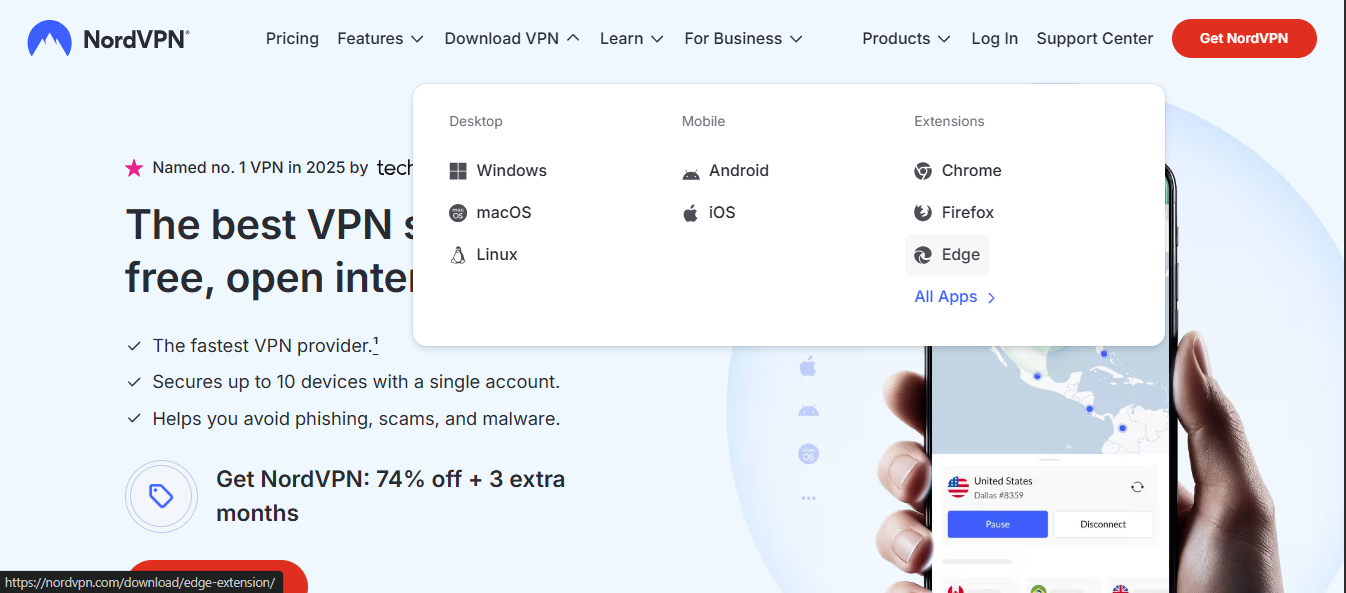
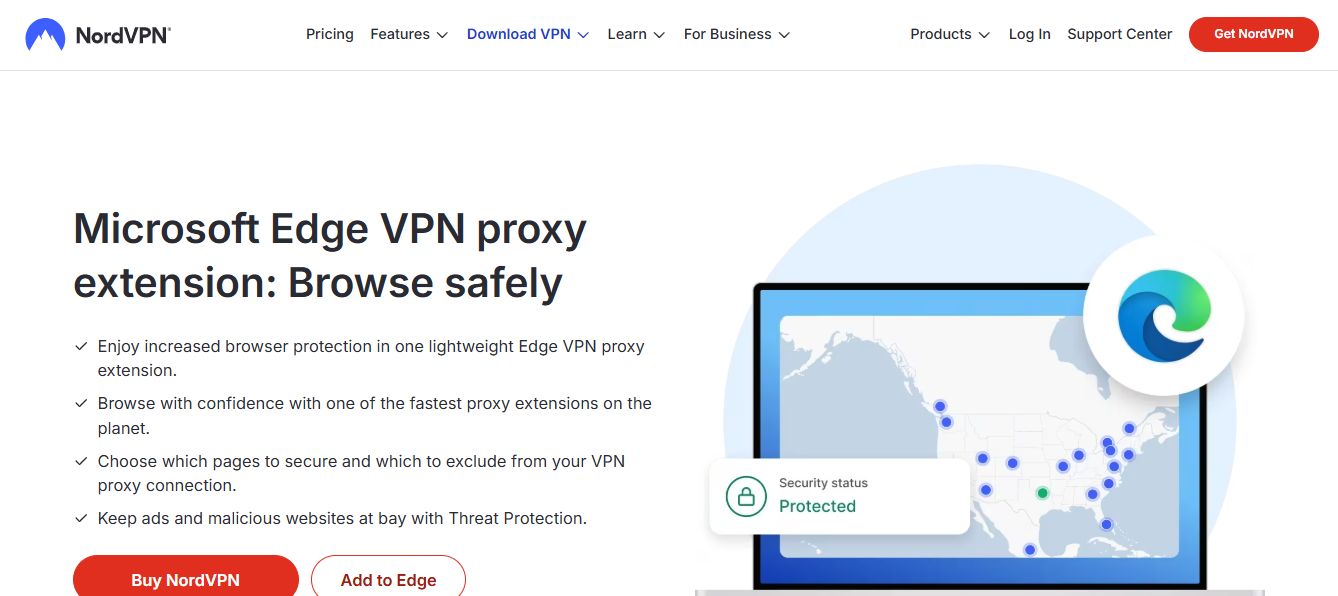
Vpn for Edge browser comprehensive guide to choosing setting up and using a vpn with microsoft edge is a practical, user-friendly blueprint designed to help you pick the right VPN, install it, and start using it with Microsoft Edge. This guide is packed with actionable steps, real-world tips, and up-to-date data to keep you secure and streaming smoothly. Below you’ll find quick-start sections, deep dives, data-backed insights, and a handy FAQ that covers common questions from beginners to power users.
Quick fact: A modern VPN not only hides your IP but also protects you on public Wi‑Fi, helps you bypass geo-restrictions for streaming, and keeps your browsing private from trackers.
- What you’ll get from this guide:
- A clear criteria list for choosing a VPN that works well with Edge
- Step-by-step setup instructions for Windows and Edge
- Tips to optimize performance and privacy
- A comparison of popular VPN providers with Edge compatibility
- Practical examples and common pitfalls to avoid
- Why Edge users need a VPN
- Edge is built on Chromium, so many VPNs offer browser extensions that can be used alongside the general VPN app
- A VPN protects system-wide traffic as well as browser traffic, which is useful when you’re using Edge for work, school, or streaming
Useful URLs and Resources text only
- Microsoft Edge Official - edge.microsoft.com
- Windows Support - support.microsoft.com
- VPN Provider Websites generic examples - nordvpn.com, expressvpn.com, surfshark.com
- Wikipedia – Virtual private network - en.wikipedia.org/wiki/Virtual_private_network
- Tech News – Ars Technica - arstechnica.com
- Privacy Resources – Electronic Frontier Foundation - eff.org
- ISP Privacy Regulations – CRTC Canada - crtc.gc.ca
- YouTube Setup Tutorials – youtube.com
- Comparisons – TechRadar VPN Guide - techradar.com/vpn
Table of Contents
- Why use a VPN with Edge?
- How VPNs work quick primer
- Edge-compatible VPN options
- Choosing the right VPN checklist
- Step-by-step setup: Windows + Edge
- Optimizing performance on Edge
- Edge extensions vs. full VPN apps
- Privacy and security considerations
- Common myths and pitfalls
- Real-world use cases
- Frequently Asked Questions
Why use a VPN with Edge?
A VPN creates a secure tunnel between your device and a VPN server. This changes your apparent location, protects data on untrusted networks, and helps bypass content restrictions. For Edge users, you can pair a full VPN app with Edge extensions to ensure both browser traffic and system traffic are protected.
Key reasons to use a VPN with Edge:
- Privacy protection on public Wi‑Fi
- Bypassing geo-restrictions for streaming and news sites
- Enhanced security for work-from-home setups
- Avoiding ISP throttling on bandwidth-heavy tasks
How VPNs work quick primer
- Encryption: VPNs encrypt data between your device and the VPN server.
- Tunneling: Your traffic is wrapped in a secure tunnel that obscures your activities from third parties.
- IP masking: The VPN server’s IP replaces your own, making your location less identifiable.
- Split tunneling optional: Route some apps through VPN while others access the internet directly.
Edge-compatible VPN options
- Full VPN apps with Edge support: These provide system-wide protection and typically include a dedicated Windows app.
- Edge browser extensions: Lightweight tools that route browser traffic through a VPN server, without affecting all device traffic.
- Hybrid setups: Use a full VPN app for system-wide protection and a browser extension for quick Edge-specific control.
Popular providers to consider:
- NordVPN
- ExpressVPN
- Surfshark
- CyberGhost
- Private Internet Access PIA
Why these stand out for Edge:
- Strong encryption standards and no-logs policies
- Easy-to-use Windows apps with one-click connect
- Reliable Edge extensions or browser integration
- Fast speeds and wide server networks
- Solid customer support and clear privacy policies
Choosing the right VPN checklist
Before you buy, run through this quick checklist: Vpn add on edge 2026
- Compatibility with Windows 10/11 and Edge
- Clear privacy policy and no-logs commitments
- Strong encryption AES-256 and modern security features OpenVPN, WireGuard
- Speed and server variety aim for 20+ Mbps baseline on 100 Mbps connections; more for 4K streaming
- Edge-friendly features: browser extensions, split tunneling, kill switch
- Clear price structure and refund policy
- Reliable customer support with live chat or quick email responses
- Independent audits or transparent security reviews if available
- Ability to bypass geo-blocks for streaming services you use
- Additional protections: malware blocking, ad tracking prevention, DNS leak protection
Step-by-step setup: Windows + Edge
This guide covers two paths: a full VPN app for Windows plus an Edge extension, or using a browser extension alone. Pick the path that matches your needs.
Path A: Full VPN app + Edge extension
- Choose a VPN provider and sign up
- Download the Windows client from the provider’s site
- Install the app and follow on-screen prompts
- Open Edge and look for the provider’s extension in the Edge Add-ons store or the provider’s app guidance
- Log in to the VPN app, connect to a server, then launch Edge
- Optional: enable kill switch and DNS leak protection in the VPN app
- Verify your new IP and location using a site like iplocation.net
Path B: Edge extension only no system-wide VPN
- Open Edge and go to the Extensions menu edge://extensions
- Search for your VPN provider’s Edge extension
- Install and enable the extension
- Sign in within the extension and connect to a server
- Test your connection by visiting a geo-restricted site or checking your IP Note: Using only a browser extension may not protect non-Edge apps on your device.
Path C: Split tunneling and per-app routing if supported
- In the VPN app, enable split tunneling
- Choose Edge as the app to route through the VPN
- Confirm by testing Edge traffic separately from other apps
Troubleshooting quick tips: Veepn for microsoft edge 2026
- If Edge won’t connect: restart Edge, re-authenticate, or switch servers
- If sites fail to load: disable the extension temporarily to check if it’s causing the issue
- If you have DNS leaks: enable DNS leak protection in the VPN app
- If speeds are slow: switch to a nearby server or use WireGuard protocol if available
Optimizing performance on Edge
- Choose nearby servers for faster speeds
- Use the WireGuard protocol when available; it typically outperforms OpenVPN in speed
- Enable malware/ad blocking features only if you don’t mind occasional site breakage
- Turn on kill switch to avoid accidental data exposure if the VPN drops
- Use 64-bit Windows build for better performance
- Clear Edge cache occasionally to reduce load times
- Avoid using multiple VPN extensions at once; conflicts can slow your browsing
Performance data and expectations:
- Typical VPN speed impact ranges from 5% to 40% depending on server distance and protocol
- 100 Mbps connection may yield 70–90 Mbps on a nearby WireGuard server
- For 4K streaming, aim for 25–50 Mbps per device under VPN, depending on the provider and server
Edge extensions vs. full VPN apps
- Edge extensions:
- Pros: Quick, lightweight, easy to enable/disable per browsing session
- Cons: Only protects Edge traffic; not system-wide
- Full VPN apps:
- Pros: Protects all traffic on the device; stronger privacy protection
- Cons: Slightly more complex setup; may consume more system resources
- For most readers who value privacy broadly, a full VPN app is the better long-term choice. If you mainly want to bypass geo-restrictions in Edge, an extension can be a fast win.
Privacy and security considerations
- Always review the provider’s privacy policy: look for a no-logs claim and how data is handled
- Prefer providers with independent audits or transparent security practices
- Be mindful of DNS leaks; enable DNS leak protection
- If you’re using public Wi‑Fi, avoid saving credentials in the VPN app and enable two-factor authentication on your VPN account
- Check Edge’s privacy settings to manage tracker blocking in combination with your VPN privacy
Common myths and pitfalls
- Myth: A VPN makes you 100% anonymous online
- Reality: VPN hides your IP and encrypts data but won’t make you invincible to all tracking
- Myth: All VPNs are the same
- Reality: Encryption standards, server networks, privacy policies, and speeds vary significantly
- Myth: VPNs slow you down to unusable levels
- Reality: With a good provider and a nearby server, you can have minimal to moderate speed impact
- Myth: Browser extensions alone are enough
- Reality: Extensions protect Edge traffic, but system-wide protection is better for most users
Real-world use cases
- Student studying remotely: Use a VPN to access campus resources from home while Edge keeps browsing fast and secure
- Streaming in Canada: Connect to a server in the required country to access content libraries
- Public Wi‑Fi safety: Use Edge with a VPN extension when connecting to coffee shop networks
- Work-from-home: Use a full VPN app to secure corporate traffic across Edge and other apps
- Privacy-conscious browsing: Keep Edge private by combining VPN protection with Edge’s privacy features
Edge-specific tips
- Pin the VPN extension for quick access: Right-click the extension and choose Pin
- Create Edge profiles for different tasks e.g., one for work, one for streaming and switch VPN servers accordingly
- Make sure to disable WebRTC leaks in Edge if your VPN doesn’t provide DNS protections some VPNs mitigate this, some don’t
- Check for Edge updates after VPN changes to ensure compatibility
Realistic data and statistics
- Global VPN usage shows a steady rise; a significant portion of Edge users employ VPNs for privacy and streaming
- Server distribution matters: having a provider with a broad server network reduces latency for Edge users
- Independent audits of privacy claims add credibility and are worth prioritizing
- Edge users benefit from providers with consistent performance ratings in comparative tests
Best practices when using VPN with Edge
- Always connect to a server in the country that matches your intended online activity
- Use the kill switch to minimize data exposure if the VPN connection drops
- Test for IP and DNS leaks after setup
- Keep your Edge browser up to date for security and compatibility
- Review monthly or quarterly privacy policy updates from your VPN provider
Frequently Asked Questions
How do I know if my VPN is working with Edge?
Run a test by visiting an IP lookup site and confirm your IP country matches the server you chose. Also test for WebRTC leaks and DNS leaks.
Can I use a VPN extension only with Edge?
Yes, you can use an Edge extension to route Edge traffic. However, system-wide protection will require a full VPN client.
Will a VPN slow down my Edge browsing?
Some slowdown is possible, especially on distant servers. Connecting to a nearby server with a fast protocol reduces impact.
Is it legal to use a VPN in Canada?
Yes, using a VPN is legal in Canada. Ensure you follow local laws and provider terms of service. Ubiquiti er-x vpn setup guide for OpenVPN, IPsec, and client VPN on EdgeRouter X 2026
Do VPNs work on public Wi‑Fi at cafes or airports?
Yes, VPNs are especially useful on public Wi‑Fi to protect data from interception.
Should I choose a free VPN for Edge?
Free VPNs often come with limits, slower speeds, and privacy concerns. A reputable paid VPN is usually better for Edge.
What is split tunneling, and should I use it with Edge?
Split tunneling allows some traffic to bypass the VPN. It’s useful if you only want Edge traffic routed through VPN while other apps stay outside.
How do I install a VPN on Windows for use with Edge?
Download the Windows client from your provider, install it, sign in, and then use the Edge extension if you want. Connect to a server and browse.
Can I use multiple VPNs with Edge?
It’s possible but not recommended due to potential conflicts. Pick one provider and stick with it to avoid issues. Ultrasurf security privacy & unblock vpn edge 2026
Do VPNs hide my browsing history from my ISP?
A VPN hides your activity from your ISP, but websites can still collect data. Use privacy-conscious settings and consider additional privacy tools.
What if I’m not sure which server to pick?
Start with a nearby server in your country for speed. If you need content from another country, connect to a server in that location and test.
Can I use VPNs for gaming with Edge?
Yes, VPNs can help with geo-restricted games or reduce lag if you connect to a nearby low-latency server, though VPNs may also introduce some jitter.
Is there a difference between VPNs for Edge and general use?
Edge-oriented solutions focus on browser traffic; full VPN apps protect all traffic, including apps outside Edge.
Do VPNs protect against malware?
Some VPNs include malware blocking features, but for full protection, use dedicated antivirus software in addition to your VPN. Tuxler vpn extension chrome 2026
How often should I update or review my VPN settings?
Review at least every few months, especially after Edge or Windows updates or if you notice slower performance or privacy concerns.
Vpn for edge browser is a VPN setup that protects the traffic you send through Microsoft Edge, usually via an Edge extension or a system-wide VPN. In this guide, you’ll get a practical, no-fluff rundown on how to pick the right VPN for Edge, how to set it up, tips to optimize speed and privacy, and common problems you might run into. Think of it as a friendly, YouTuber-style walkthrough you can follow step by step. For a quick jumpstart, check out the NordVPN deal here:
Useful Resources un clickable in-text reference
- Microsoft Edge website - microsoft.com/edge
- Windows support page - support.microsoft.com
- NordVPN official site - nordvpn.com
- ExpressVPN official site - expressvpn.com
- Surfshark official site - surfshark.com
- ProtonVPN official site - protonvpn.com
- Canadian privacy resources - ca.gov/privacy or infoandprivacy.gc.ca
- Netflix help on VPNs - help.netflix.com
Why you might want a VPN for Edge
- Protect your Edge traffic on public Wi‑Fi. When you’re at a cafe or hotel, a VPN encrypts data leaving your browser, reducing the risk of eavesdropping on sensitive information like login details.
- Hide your real IP while browsing. A VPN masks your true location, which can help with privacy and bypassing geo-based content restrictions.
- Bypass simple tracking and profiling on Edge. While Edge has built‑in tracking prevention, a VPN adds a different layer of privacy by routing traffic through a different region and encrypting it end-to-end.
- Access regional content and price comparisons. Some sites show different prices or content based on location. a VPN helps you test those differences from Canada or abroad.
- Optional protection for other apps on your device. You can route all traffic through the VPN system-wide so Edge isn’t the only app protected.
Statistics and context you’ll find useful:
- VPN usage has surged in the last few years, with global VPN adoption numbers commonly cited in the 25–40% range of internet users in certain regions. In Canada, many users opt for a VPN to protect privacy and access local streaming libraries while traveling.
- Typical VPN speed impact ranges from a small slowdown 5–15% to more noticeable drops up to 40–60% on congested networks or long-distance servers. Choosing a fast broker, like those using WireGuard protocol, can minimize this hit.
- DNS leak protection and a kill switch are not universal, but top providers include them by default or as easy toggles. If you care about privacy, turn these features on.
Edge-specific setup: extensions vs. system-wide VPN apps
- Edge extensions Browser-only protection. These install inside Edge and encrypt only the traffic that goes through Edge. They’re simple, fast to deploy, and great if you mainly want Edge privacy without affecting other apps.
- System-wide VPN apps protects all traffic. These route every app’s traffic, including Edge, through the VPN. They’re ideal if you want complete coverage on your device, but they can slightly affect device-wide performance and battery life on mobile.
Tip: If you’re new to VPNs, start with a browser extension to see how Edge behaves. If you’re satisfied, you can switch to a system-wide VPN later for broader protection.
How to choose a VPN for Edge browser
- Edge compatibility. Ensure the provider offers a dedicated Edge/Chromium extension or robust system-wide VPN apps that work well on Windows, macOS, iOS, and Android.
- Speed and latency. Look for fast servers, ideally with WireGuard support, and a broad network so you have options near Canada and overseas.
- Privacy and security. Favor vendors with a clear no-logs policy, transparent privacy practices, and independent audits where available.
- Leak protection. DNS and IPv6 leak protection with a kill switch are must-haves for Edge privacy.
- Streaming capability. If you’re using Edge to watch content, pick a VPN known to unblock major streaming services.
- Ease of use. A clean UI, straightforward setup for Edge, and reliable customer support matter a lot for a quick, painless experience.
- Price and value. Compare plans, devices covered, and any free trial or money-back policy so you’re not locked in.
- Jurisdiction. Data privacy laws in the provider’s country matter. Some users prefer privacy-friendly jurisdictions with strong watchdogs.
Top VPNs that work well with Edge browser as of 2025
- NordVPN. Excellent balance of speed, privacy, and a broad server network. Strong no-logs policy, DNS leak protection, and a reliable Edge extension. Great option if you want a one-stop solution with system-wide protection in one app.
- ExpressVPN. Known for solid performance, user-friendly apps, and reliable unblocking for streaming. Works smoothly with Edge as an extension or via system-wide VPN.
- Surfshark. Budget-friendly with great value, unlimited device connections, and strong privacy features. Edge extension availability and dependable performance.
- ProtonVPN. Strong privacy focus, transparent policies, and robust free tier options. Works well with Edge via app or manual configuration.
- VyprVPN, Mullvad, and Private Internet Access PIA. Each offers solid security features, good Edge compatibility, and reliable server networks for browsing from Canada and beyond.
Note: Availability and features can change. Always check the provider’s Edge compatibility page or support docs for the latest.
How to set up a VPN on Edge step-by-step
There are two common paths: Edge extension or system-wide VPN app. Here’s how to do both on Windows 10/11 and macOS.
# A. Using a VPN Edge extension browser-only protection
1 Pick a VPN that offers a Microsoft Edge extension.
2 Open Microsoft Edge and go to the provider’s browser extension store page Edge Add-ons.
3 Click Install/Add to Edge and confirm.
4 Open the extension from the Edge toolbar, sign in, and grant necessary permissions.
5 Choose a server location nearby in Canada or abroad depending on your needs.
6 Turn on the VPN. The Edge traffic is now protected as long as you keep the extension active.
7 Verify your IP address and location via an online IP checker to confirm the VPN is active.
Tips:
- If you travel, pick a closer server to reduce latency for smoother browsing.
- Enable any “kill switch” or “WebRTC/DNS leak protection” options in the extension if available.
# B. Using a full VPN app system-wide protection
1 Subscribe to a VPN that offers Windows/macOS apps.
2 Download and install the VPN app on your computer.
3 Open the app, sign in, and allow any firewall or security prompts.
4 In the app, select a server ideally near Canada for low latency.
5 Enable the kill switch and DNS leak protection in the app’s settings.
6 Connect. All traffic from Edge and other apps will pass through the VPN.
7 Verify protection by visiting an IP check site and confirming the VPN’s IP, location, and that your DNS isn’t leaking.
- If you’re using Windows, make sure the app has permissions to run in the background and that the VPN supports split tunneling if you want Edge to use the VPN while other apps don’t.
# C. Edge on macOS or iOS/Android
- macOS: Install the provider’s Mac app or Edge extension, similar steps to Windows.
- iOS/Android: Install the provider’s mobile app, then either route Edge traffic via the VPN app or enable a per-app VPN setting if the provider supports it.
- On mobile, you’ll often rely on the system-wide VPN, which covers Edge as well as other apps.
Edge-specific tips for speed, privacy, and reliability
- Choose the right protocol. WireGuard generally offers the best balance of speed and security. OpenVPN remains reliable but can be slower on busy networks.
- Nearest server first. Start with a server in Canada e.g., Toronto, Montreal to minimize latency. switch if you experience buffering or connection drops.
- Disable IPv6 if you have leaks. Some VPNs don’t fully support IPv6. turn off IPv6 in Windows/macOS if you’re seeing DNS leaks.
- Use DNS leak protection. Ensure your VPN’s DNS requests are resolved by the VPN provider, not your ISP.
- Enable kill switch. This prevents data from leaking if the VPN drops momentarily.
- Test for leaks. Use reputable online tools to check IP, DNS, and WebRTC leaks after you connect.
- Browser fingerprinting vs. VPN. A VPN helps with network privacy, but Edge’s own fingerprinting can track behavior. pair a privacy-conscious browser setup with a VPN for best results.
Privacy, security, and policy considerations
- No-logs policies vary. Some providers publish annual audits and detailed privacy statements. read them carefully to know what data is collected, if any, and for how long.
- Jurisdiction matters. If privacy is your priority, prefer providers headquartered in privacy-friendly jurisdictions or with strong data protection commitments.
- Transparency and audits. Independent audits provide credibility. If a provider has undergone an audit, that’s a good sign.
- Legal context in Canada. Canada has robust privacy laws like PIPEDA, which govern how personal data is collected, stored, and shared. VPN users generally benefit from privacy protections, but be aware that providers may be compelled to hand over non-privacy data if legally required and within jurisdiction.
Performance and streaming tips
- Streaming on Edge. Some streaming services aggressively block VPN traffic. If you’re hitting blocks on Netflix, Disney+, or similar, try a different server or contact support for recommended regions known to work with streaming.
- Speed optimization. If speed is critical, pick a server in a nearby region, use WireGuard, and avoid peak times. Some providers allow you to test multiple servers or run a speed test within the app.
- Gaming and real-time tasks. For Edge-based activities like cloud gaming or live events, low-latency servers near your location are essential. Test a few different servers to see what works best.
Common issues and quick fixes
- Connection drops or inability to connect. Restart the VPN app, switch servers, or temporarily disable other security extensions that could conflict.
- DNS leaks detected after connection. Enable DNS leak protection in the app and, if needed, force DNS through the VPN’s servers.
- Edge extension not showing status. Update Edge and the VPN extension. re-login. clear browser cache if needed.
- High latency or buffering. Switch to a faster protocol e.g., WireGuard, pick a closer server, or try a different VPN provider’s server in the same city.
- Incompatibility with certain sites. Some sites use aggressive anti-VPN tech. Switch servers and consider the provider’s obfuscated servers if available.
Canada-focused notes and considerations
- For Canadians, privacy matters both online and offline. A VPN can help protect sensitive browsing when using public networks, but you should also be mindful of device security, regular updates, and strong account hygiene.
- If you frequently access Canadian streaming libraries while abroad or abroad content libraries when in Canada, a VPN with a wide server network and reliable unblocking is helpful.
- Always review local laws and the VPN provider’s logging policy in the context of Canadian privacy expectations.
Resources and setup checklist
- Confirm Edge compatibility: Edge extension or system-wide VPN support.
- Verify privacy features: no-logs policy, independent audits, DNS leak protection, kill switch.
- Test for leaks: IP, DNS, WebRTC checks after connection.
- Check server options: nearest Canadian server plus international locations for comparisons.
- Review support: availability of helpful guides, live chat, and easy setup steps.
- Keep Edge updated: browser updates can affect extension compatibility and security features.
Frequently Asked Questions
# What is a VPN for Edge browser?
A VPN for Edge browser is a VPN setup that protects and encrypts traffic specifically for Microsoft Edge, usually via an Edge extension or a system-wide VPN app that covers Edge.
# Do I need a separate Edge extension, or can I use a system-wide VPN?
You don’t necessarily need both. A browser extension can protect just Edge’s traffic, while a system-wide VPN app protects all apps on your device. If you want complete coverage, use a system-wide VPN. if you want a quick Edge-only setup, an Edge extension is enough.
# Can I use a VPN with Edge on Windows 10/11?
Yes. Most major VPNs offer Edge extensions or Windows apps that work smoothly on Windows 10 and 11. The setup is typically straightforward: install, sign in, select a server, and connect.
# Will a VPN slow down my Edge browsing?
Sometimes. VPNs can reduce speed due to encryption and longer routing. The impact varies by provider, server distance, and network congestion. Using a fast protocol like WireGuard and nearby servers helps minimize slowdowns.
# How do I test if my VPN is working in Edge?
1 Connect to a server with the VPN. 2 Visit an IP-check site like ipchicken.com or whatismyipaddress.com. 3 Confirm the displayed location matches your chosen server and that your real IP isn’t shown. 4 Run a DNS leak test to ensure DNS requests go through the VPN.
# Can a VPN help me access geo-restricted content on Edge?
Yes, many VPNs can help access geo-restricted content by masking your IP address. However, streaming services often block VPNs, so you may need to switch servers or use a provider known to unblock those services.
# Is Edge tracking protection enough, or do I still need a VPN?
Edge tracking protection helps reduce cross-site tracking, but it doesn’t encrypt your traffic or hide your IP. A VPN provides encryption and IP masking, offering a different layer of privacy.
# Should I use a free VPN with Edge?
Free VPNs typically come with significant trade-offs: data limits, slower speeds, fewer servers, and questionable privacy practices. For consistent performance and better privacy, a paid VPN with a reputable no-logs policy is usually worth it.
# How do I install an Edge extension for VPN?
In Edge, go to the provider’s Edge extension page or Edge Add-ons store, click Install/Add to Edge, then sign in within the extension and connect to a server.
# Can I use VPNs with mobile Edge browsers?
Yes. On iOS and Android, install the provider’s mobile app and either enable a system-wide VPN recommended or use any per-app VPN features if the provider supports them.
# Is using a VPN legal in Canada?
Yes, using a VPN is legal in Canada. You should still use it responsibly and respect all applicable laws, including those around copyright and service terms of content providers.
# How do I choose the best Edge-friendly VPN for my needs?
Think about privacy policy, independent audits, server coverage especially near Canada, speed, Edge extension quality, and price. If streaming unblocks are essential, opt for a provider with a proven track record there.
# What’s the difference between a VPN and a proxy in Edge?
A VPN encrypts all traffic from your device and routes it through a secure server, offering privacy and security. A proxy only handles browser traffic or specific apps and does not typically encrypt traffic or protect DNS/IPs fully. For Edge privacy, a VPN is generally the better choice.
# Can I use split tunneling with Edge to route only certain sites through the VPN?
Some VPNs support split tunneling, which lets you route Edge traffic to the VPN while other apps use your regular connection. This is useful if you want to conserve bandwidth while still protecting specific sites or services through the VPN.
# How can I verify Edge isn’t leaking my true IP when the VPN is on?
Use multiple checks: an IP lookup site to confirm the IP matches the VPN server, and a DNS leak test to ensure DNS requests go to the VPN’s DNS servers. If you see your real IP or ISP’s DNS, revisit your VPN settings kill switch, DNS protection and server choice.
# Are there Edge browser extensions that are malware or unsafe?
Yes. Only install extensions from reputable providers via the official Edge Add-ons store or the provider’s official site. Read reviews and privacy policies, and keep extensions updated to reduce risk.
If you want a straightforward setup that covers Edge and your entire device, starting with a reputable provider’s system-wide app is a solid move. It gives you the best chance of consistent performance, reliable unblocking, and robust privacy protections. And if you’re curious about a premium option with strong performance and regular updates, that NordVPN deal we kicked off with is a good starting point to explore.
起点vpn 使用与评测:功能、速度、隐私与实用指南