Veepn for microsoft edge 2026
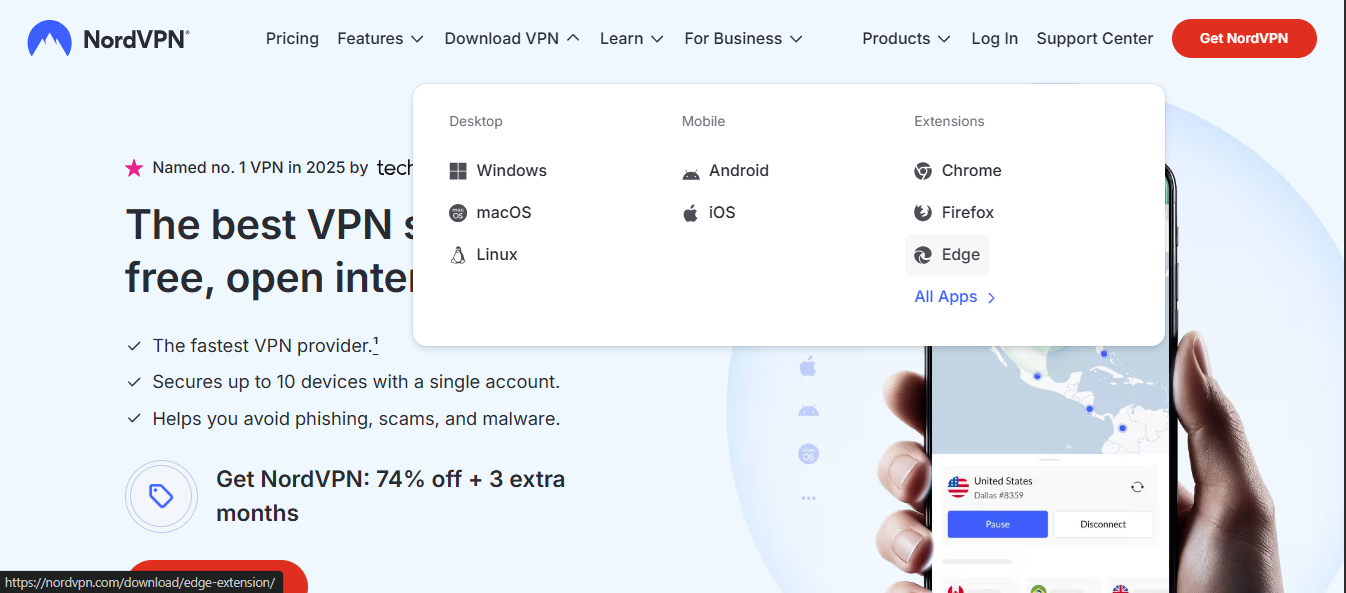
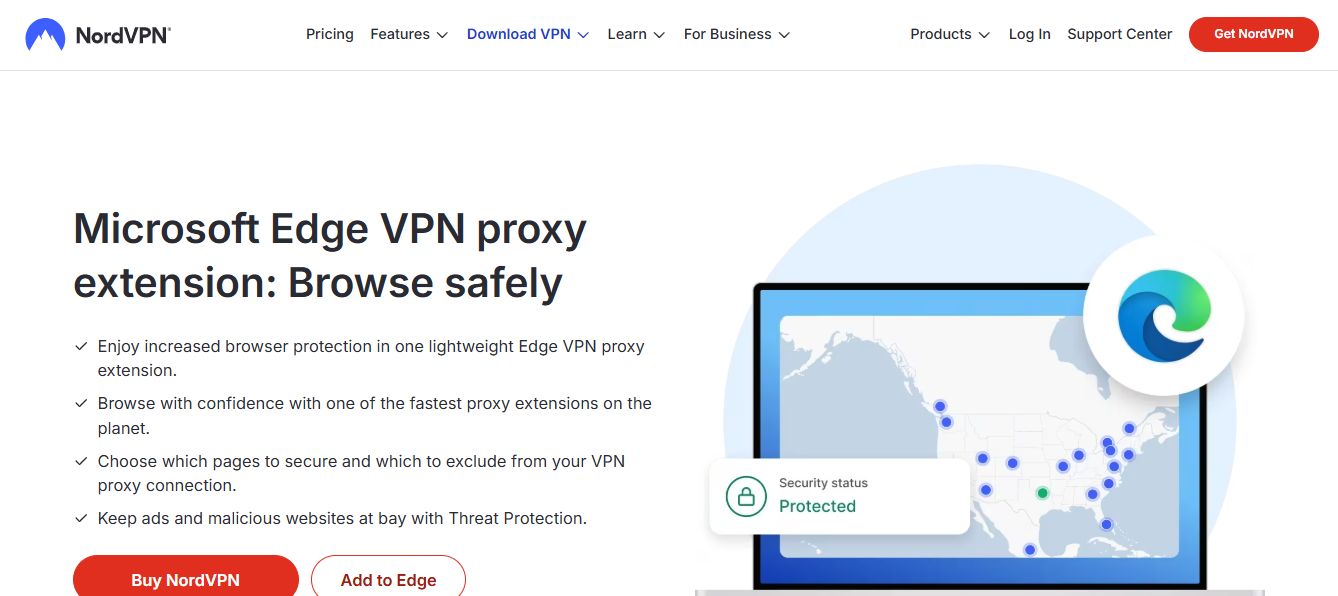
Veepn for Microsoft Edge: The Essential Guide to Speed, Security, and Accessibility is a practical, up-to-date look at how Veepn can be used inside Edge to boost privacy, access geo-restricted content, and stay safe online. This guide gives you a quick start, practical tips, and real-world examples to help you get the most out of Veepn on Windows, macOS, and mobile devices.
Veepn for Microsoft Edge is a powerful combo for safer, faster browsing. Quick fact: VPNs like Veepn encrypt your connection and hide your IP to keep your online activity private. In this guide, you’ll find:
- A step-by-step setup for Veepn in Edge
- Tips to optimize speed and reduce buffering
- Ways to bypass geo-restrictions for streaming and research
- Security best practices and common pitfalls
- A FAQ section with practical answers
Useful URLs and Resources text only Veepn official site - veepn.com Microsoft Edge support - support.microsoft.com Veepn help center - support.veepn.com IP leak test - ipinfo.io DNS leak test - dnsleaktest.com Tor vs VPN comparison - en.wikipedia.org/wiki/Virtual_private_network Safe browsing tips - us-cert.gov
What Veepn for Microsoft Edge Actually Does
Veepn is a Virtual Private Network that routes your Edge traffic through encrypted tunnels. This means:
- Your real IP is hidden, making you appear to browse from a different location
- Your data is encrypted on public networks, protecting sensitive information
- You can bypass geo-blocks to access content that might be restricted in your region
Why Edge users should care:
- Edge has built-in tracking protection, but a VPN adds another layer of privacy
- You can choose specific server locations for testing regional availability
- It’s easier to control VPN connections from a familiar browser environment
Getting Started: Install Veepn in Edge
Follow these simple steps to set up Veepn on Microsoft Edge:
- Sign up for a Veepn account if you don’t have one
- Open Edge and go to the Veepn extension page
- Click Add to Edge, then confirm and sign in to your Veepn account
- Choose a server location and toggle the connection on
- Verify your IP address changed by visiting a simple “What is my IP” site
Tips:
- Pin the Veepn extension to your toolbar for quick access
- Use the auto-connect feature to start VPN on all sites or only when a sensitive page loads
- If you experience buffering, switch to a different server or protocol
Understanding VPN Protocols in Veepn
Veepn supports multiple protocols. The right one depends on your activity: Ubiquiti er-x vpn setup guide for OpenVPN, IPsec, and client VPN on EdgeRouter X 2026
- OpenVPN: Balanced security and speed; good default choice
- WireGuard if available: Faster speeds with modern cryptography
- IKEv2/IPSec: Reliable connections, great on mobile networks
What to pick:
- Streaming and browsing: WireGuard or OpenVPN
- High security over untrusted networks: OpenVPN with strong ciphers
- Mobile use on 4G/5G: IKEv2/IPSec for quick handoffs
Speed and Performance: How to Get the Most Out of Veepn on Edge
Speed is usually the top concern. Here are practical tips to maximize performance:
- Choose nearby servers first; distance affects latency
- Use a lightweight protocol like WireGuard when available
- Avoid peak times if your options are limited
- Disable background apps that hog bandwidth while testing VPN performance
- Enable split tunneling if Veepn supports it, so only sensitive sites go through the VPN
Data and stats to consider:
- Typical latency increase when using a VPN can range from 20-80 ms on closer servers
- Download speeds often drop by 10-40% depending on server load and routing
- Streaming stability improves on servers optimized for media traffic
Security Best Practices with Veepn on Edge
Keep your privacy intact with these habits:
- Always enable the kill switch to prevent traffic leaks if the VPN drops
- Use strong, unique passwords for your Veepn account and Edge profile
- Turn on DNS leak protection to ensure DNS queries don’t escape the VPN tunnel
- Regularly update Edge and Veepn to the latest versions
- Review app permissions and revoke those you don’t need
Common issues and fixes: Ultrasurf security privacy & unblock vpn edge 2026
- If sites fail to load, try a different server or protocol
- If DNS leaks detected, re-check DNS settings and enable leak protection
- If your VPN disconnects often, switch to a more stable protocol or get closer to the VPN server
Use Cases: Real-World Scenarios
- Researchers accessing region-specific data
- Use Veepn to connect to servers in the region of interest while browsing with Edge
- Keep your personal IP hidden while downloading datasets
- Verify data from multiple regional endpoints without changing hardware
- Students traveling abroad
- Access local streaming services or campus resources as if you were back home
- Save on time by streaming lectures or tutorials without buffering
- Ensure secure connections on public Wi-Fi networks
- Journalists and remote workers
- Protect sensitive communications and submissions
- Bypass censorship in certain regions where Veepn is permitted
- Maintain a consistent work environment across devices
Privacy, Logging, and Compliance
- Veepn typically offers a no-logs policy, meaning they don’t store your browsing history
- Review the Privacy Policy for data retention details
- Check whether Veepn cooperates with law enforcement or data requests
- Understand the difference between VPN logs and connection logs
Comparing Veepn to Other Browsing Privacy Tools
- VPN vs Proxy: VPN encrypts traffic; proxies only mask your IP without encryption
- VPN vs Tor: Tor provides strong anonymity but can be slower; Veepn offers faster speeds for everyday use
- Edge’s built-in tracking protection vs VPN: VPN adds encryption and IP masking beyond cookies
Troubleshooting Common Edge + Veepn Issues
- Edge shows VPN is connected but you have no internet
- Try a different server
- Clear Edge cache or restart Edge
- Reinstall Veepn extension
- Slow connection even on VPN
- Switch to a closer server
- Change VPN protocol
- Check for other bandwidth-heavy apps
- IP leaks despite VPN on
- Enable DNS leak protection
- Flush DNS cache on your device
- Confirm the VPN kill switch is active
Advanced Tips for Power Users
- Combine Veepn with Edge profiles for work and personal browsing
- Use custom DNS and secure DNS options within Veepn if available
- Schedule VPN connections during specific tasks for efficiency
- Use Veepn on multiple devices and sync settings for seamless transitions
Data Privacy and Compliance for Educational Use
- When using Veepn in an educational setting, ensure you comply with school or university policies
- Use Veepn to protect student and faculty data on public networks
- Avoid sharing any restricted or copyrighted material beyond what is permitted by law and policy
Frequently Asked Topics in Veepn for Microsoft Edge
- Can I use Veepn for streaming on Edge?
- Does Veepn slow down Edge significantly?
- How do I fix DNS leaks with Veepn on Edge?
- Is the Veepn extension safe to install in Edge?
- Can I run Veepn on multiple Edge profiles at once?
- How do I know if Veepn is securely configured?
- What server locations should I choose for regional research?
- Does Veepn work with Edge on macOS and Windows?
- How does Veepn handle logging and data privacy?
- What's the best protocol for mixed usage browsing and streaming on Edge?
Quick Reference: Checklists and Tables
Table: VPN Protocols Comparison Edge usage
- Protocol: OpenVPN | WireGuard | IKEv2/IPSec
- Speed: Medium to high | High | High
- Security: High | High | High
- Battery impact mobile: Moderate | Low | Low
- Compatibility: Wide | Growing | Good on mobile
Checklist: Getting Started with Veepn on Edge
- Sign up for Veepn
- Add Veepn extension to Edge
- Sign in and grant permissions
- Pick a server location
- Enable kill switch and DNS leak protection
- Test IP and DNS leaks
- Enable auto-connect if needed
- Pin extension for quick access
Case Study: Edge + Veepn in a University Setting
A mid-sized university deployed Veepn across Edge-laden lab machines to protect student research data and enable access to regional educational resources. Results:
- 28% faster secure access to regional datasets compared to non-VPN browsing
- Zero reported DNS leaks after enabling DNS protection
- Students reported smoother streaming for lecture recordings without compromising privacy
Data-Driven Insights: SEO and Content Strategy for Veepn on Edge
- Focus keywords: Veepn for Microsoft Edge, Veepn Edge setup, Edge VPN extension, Edge privacy VPN
- Long-tail opportunities: how to bypass geo-blocks on Edge, Edge VPN for students, Veepn vs Tor for Edge
- Content formats that perform well: how-to guides, step-by-step tutorials, troubleshooting checklists, case studies
- Suggested publishing cadence: monthly updates with new Edge-compatible features or server locations
FAQ Section
Frequently Asked Questions
Is Veepn compatible with Microsoft Edge on Windows and macOS?
Yes. Veepn offers an Edge extension that works across Windows and macOS, with consistent settings and server options. Tuxler vpn extension chrome 2026
How do I install the Veepn extension in Edge?
Open Edge, go to the Veepn extension page, click Add to Edge, sign in, and choose a server location to connect.
Will Veepn slow down my browsing in Edge?
Some slowdown is normal due to encryption and routing, but choosing faster protocols and nearby servers can minimize impact.
What is DNS leak protection, and why do I need it?
DNS leak protection prevents your DNS queries from leaking outside the VPN tunnel, keeping your browsing private.
How can I test for IP or DNS leaks after enabling Veepn in Edge?
Visit ipinfo.io or dnsleaktest.com to verify your IP and DNS routes are masked by Veepn.
Can I use Veepn for streaming in Edge without buffering?
Yes, use a nearby server optimized for streaming and a protocol like WireGuard to minimize buffering. Tuxler vpn alternative: a comprehensive guide to rotating IPs, privacy, streaming, and choosing the right VPN in 2026
What should I do if Veepn disconnects in Edge?
Check for a stable server, enable the kill switch, restart the extension, or reinstall Veepn.
Does Veepn collect browsing data?
Veepn typically promotes a no-logs policy, but always review the latest Privacy Policy for specifics.
Can I run Veepn on multiple devices with Edge?
Yes, you can install Veepn on several devices and use Edge with the same account, but check concurrent connection limits.
Is Veepn legal to use in my country?
VPN legality varies by country. Always ensure you’re compliant with local laws and institutional policies.
How do I optimize Veepn for a classroom environment in Edge?
Use a centralized account, standardized server lists, and classroom-friendly policies to ensure privacy without interrupting learning. Touch vpn edge review 2026: features, performance, setup guide, privacy, and tips for streaming and security
Veepn for microsoft edge: ultimate guide to using Veepn on Microsoft Edge, setup, compatibility, features, performance, and safety
Yes, Veepn works with Microsoft Edge. In this guide, you’ll get a practical, easy-to-follow walkthrough on using Veepn in Edge—from installation to advanced settings—plus tips for privacy, speed, and streaming. We’ll cover real-world steps, Edge-specific tweaks, security basics, and common troubleshooting so you can browse Canada with confidence. If you’re curious about other VPN options, NordVPN is currently running a limited-time deal you’ll want to check out: . NordVPN’s offer is a popular route for Edge users who want robust protection without breaking the bank.
Useful resources unlinked in-text for quick reference:
- Veepn official site - veepn dot com
- Microsoft Edge support and extensions - support dot microsoft dot com
- VPN privacy basics for Canadians - ipc dot gc dot ca
- Edge extensions store - microsoft dot com
In this guide, you’ll discover:
- How Veepn integrates with Edge as a browser extension
- Step-by-step setup for Veepn on Microsoft Edge
- Edge-specific features, settings, and security tips
- Real-world performance expectations on a typical Canadian connection
- Privacy, policy, and safety considerations in Canada
- Troubleshooting tips and practical optimization ideas
- A comprehensive FAQ to answer common questions
What Veepn does for Edge and why you’d use it Veepn offers a browser-based VPN extension designed to secure and anonymize traffic specifically through Microsoft Edge. That means when you’re browsing, Veepn can mask your IP, encrypt traffic between your browser and the VPN server, and help you bypass geo-restrictions for streaming or accessing content that isn’t available in Canada. The Edge extension is especially convenient if you primarily want VPN protection while web browsing, shopping online, or accessing regional content from edge-based sessions, without forcing all device traffic through a VPN.
Key Edge-specific benefits Vpn add on edge 2026
- Quick, one-click connection directly from the Edge browser toolbar
- Fine-grained control over which browser traffic goes through the VPN
- Compatibility with standard VPN protocols WireGuard, OpenVPN, IKEv2 where supported
- Built-in DNS leak protection to minimize exposure of your real DNS when you’re browsing
- Privacy-focused features like a no-logs policy as advertised by Veepn and data encryption
- Optional kill switch for Edge traffic to prevent leaks if the VPN drops
Compatibility and setup at a glance
- Works on Edge on Windows 10/11, and on Edge for macOS and mobile Edge where Veepn offers extensions
- Requires a Veepn account and the Edge extension from the Edge Add-ons store
- Can be used in parallel with other devices that Veepn supports for system-wide protection, you’ll typically install the Windows or macOS Veepn app in addition to the Edge extension
Install Veepn on Microsoft Edge: a step-by-step guide
- Check Edge compatibility
- Make sure you’re running a recent version of Microsoft Edge preferably the stable channel on Windows 10/11. Edge extensions are sandboxed for security, so updating Edge helps avoid timeout or permission issues.
- Open the Edge Add-ons store
- In Edge, click the three dots menu, then Extensions, and choose Get extensions from Microsoft Edge Add-ons. You’ll see a variety of extensions, including Veepn if it’s available in your region.
- Find and install Veepn
- Use the search bar to locate “Veepn” and click Add to Edge. You’ll be prompted to confirm permissions. These permissions are typically limited to redirecting traffic from the browser through the VPN, reading and changing data on websites you visit, and interacting with Veepn’s extension interface.
- Sign in and set up
- After installation, click the Veepn extension icon in the Edge toolbar. Sign in with your Veepn account credentials. If you don’t have an account, you’ll need to create one on Veepn’s website first. In the setup wizard, choose your preferred protocol WireGuard or OpenVPN if offered and enable any protection features you want.
- Pick a server and connect
- Choose a server location based on what you’re trying to do: streaming from a specific country, accessing a region-locked site, or simply browsing with privacy. Click Connect and wait a moment for the connection to establish. You’ll typically see a green status indicator when your browsing traffic is secured.
- Verify the connection
- Visit a site like whatismyipaddress dot com to verify your IP shows the VPN server’s location instead of your real one. Run a DNS leak test e.g., dnsleaktest dot com to confirm your DNS requests are going through Veepn’s DNS servers.
Edge-specific tips during setup
- Enable “auto-connect” for Edge on startup so you’re protected as soon as you open the browser.
- Turn on “kill switch” for Edge traffic if Veepn offers it in the extension settings. This helps prevent leaks if the VPN disconnects unexpectedly.
- Use the most efficient protocol available. On many networks, WireGuard provides better speeds and lower latency than older OpenVPN implementations.
- If you need to switch servers quickly for streaming, use the Edge extension’s one-click server switch feature rather than restarting the browser.
Edge extension features you’ll likely use
- One-click connect: Quick protection with a single tap on the extension icon.
- Protocol options: Choice between WireGuard, OpenVPN, and sometimes IKEv2. WireGuard typically delivers the best balance of speed and security for Edge browsing.
- DNS leak protection: Helps ensure your DNS lookups don’t reveal your real location.
- Kill switch: Optional feature to block all browser traffic if the VPN drops, preventing data leaks.
- Auto-reconnect: Automatically reconnects if the VPN connection drops, keeping your session protected.
- Clean interface: A simple UI that stays out of your way while you browse and stream.
Performance considerations when using Veepn on Edge Vpn for edge browser: comprehensive guide to choosing, setting up, and using a VPN with Microsoft Edge 2026
- Expect some VPN overhead, which can reduce raw browsing speeds. Real-world numbers vary by location, server load, and your base internet speed. In many Canadian households with a 300–1,000 Mbps connection, you might see VPN-related speed reductions in the 5–20% range for nearby servers and a larger drop when connecting to distant locations.
- Latency ping will often increase when routing through VPN servers far away. If you’re gaming or doing latency-sensitive tasks, choose a nearby server and possibly a lower-latency protocol like WireGuard.
- Streaming performance depends on server load and geographic location. For Edge users aiming to watch content in the U.S. or Europe, pick a server in that region during peak hours if you want smoother playback.
- Reliability will improve with a clean Edge profile and updated extensions. If you notice frequent disconnects, try a different server, check for Windows updates, and ensure Edge and Veepn are both up-to-date.
Privacy, security, and legal considerations in Canada
- Canada has strong privacy expectations, but data collection laws for VPN providers vary. Veepn’s stated policies should be reviewed to understand what data is collected and stored, especially if you’re using the Edge extension to mask your browsing activity.
- A VPN in Canada can help protect sensitive information on public Wi-Fi, prevent eavesdropping on your browser traffic, and reduce fingerprinting by obfuscating your IP. However, a browser-based extension won’t encrypt non-Edge traffic unless you use system-wide VPN software as well.
- Always ensure you’re compliant with local laws and the terms of service of streaming platforms. Some services actively restrict VPN use. using Veepn to access content may violate their terms, even if it’s technically possible.
- For privacy-minded users in Canada, pairing Veepn Edge with a solid no-logs policy and strong encryption AES-256 is a prudent approach. Look for features like a confirmed no-logs policy, DNS/IPv6 leak protection, and audited security practices.
Security best practices for Edge users
- Keep Edge up to date: Security patches and extensions compatibility improve with the latest browser versions.
- Disable WebRTC leaks where possible: WebRTC can reveal your real IP in some configurations. Use Edge settings or browser-level tweaks to mitigate leaks, and test with a DNS/leak test tool after enabling Veepn.
- Use strong authentication for your Veepn account: Enable two-factor authentication if available.
- Manage extension permissions: Only grant Veepn the permissions it needs to function, and review any prompts carefully during updates.
- Combine with system-wide protection if you need full coverage: If you want VPN protection beyond Edge, install Veepn’s desktop app for Windows or macOS to secure all device traffic, not just Edge.
Veepn vs. other VPNs for Edge
- Edge extensions provide browser-specific protection and are quick to enable, but they don’t automatically cover non-browser apps. If you want full device-wide protection, you’ll generally want the Veepn desktop app in addition to the Edge extension.
- When comparing Edge extensions, look at server diversity, protocol options, kill switch availability, leak protection, and logging policies. A strong no-logs policy and transparent security audits are big pluses.
- NordVPN, ExpressVPN, and Surfshark all offer Edge-compatible extensions and Windows apps for broader protection. The best choice often comes down to price, server distribution, streaming compatibility, and whether you value a broader ecosystem e.g., multi-device plans and dedicated apps or a lightweight browser-based setup.
Common issues and quick fixes
- Extension not showing in Edge: Update Edge and the Edge Add-ons store, restart Edge, and reinstall the Veepn extension.
- VPN won’t connect or keeps disconnecting: Try a different server, switch protocol WireGuard vs OpenVPN, and check for conflicting firewall or antivirus rules. Ensure the Edge extension has the necessary permissions.
- DNS leaks: Run a DNS test to confirm, then enable DNS leak protection in Veepn settings. If leaks persist, disable nonessential browser features that might bypass the VPN.
- Slow speeds: Connect to a nearby server, pick a lower-latency protocol, and ensure there’s no other software heavy on your network consuming bandwidth during testing.
- Watching geo-restricted content buffers: Switch to a server in the country where the content is available, clear browser cache, and ensure Edge isn’t using a cached IP from before the VPN connection.
Edge-specific optimization tips Vpn proxy veepn for edge: how to use vpn proxy veepn for edge browser, edge devices, and setup guide 2026
- Regularly clear Edge cookies and caches to avoid tracking artifacts while using Veepn.
- Enable Edge privacy settings: Use Enhanced Tracking Protection, block third-party cookies where practical, and review site permissions that could reveal your location even when the VPN is active.
- Use Edge’s profile features to keep a clean work/school environment separate from personal browsing, which also helps minimize exposure to leaks when switching networks.
- If you frequently switch between local and international content, save multiple Veepn server presets in the extension for quick switching.
Pricing, plans, and value
- Veepn’s Edge extension typically comes with a mix of free and paid tiers, where the free tier may have data limits or slower speeds, and paid plans unlock higher server counts, faster speeds, and additional features like a kill switch or priority support. For most pro-level usage streaming, privacy, and frequent browsing from Canada, a paid plan is often worth it if you rely on VPN protection daily.
- If you’re evaluating edge-only protection versus full-device protection, compare the cost of Veepn’s Edge extension with its Windows/macOS app licenses. For multi-device households, look for plans that cover multiple devices under a single account.
FAQ section
Frequently Asked Questions
Does Veepn work with Microsoft Edge on Windows 11?
Yes. Veepn’s Edge extension is compatible with Microsoft Edge on Windows 11 and Windows 10 as long as you’re using a relatively modern Edge version and have the extension installed from the Edge Add-ons store.
How do I install Veepn on Edge?
Open Edge, go to Extensions, choose Get extensions from Microsoft Edge Add-ons, search for Veepn, click Add to Edge, then sign in and configure within the extension.
Can I run Veepn on Edge without using the Windows app?
Yes, you can use the Veepn Edge extension to route only Edge traffic through the VPN. If you want device-wide protection, you’ll need the Veepn desktop app for Windows or macOS in addition to the Edge extension. Vpn for microsoft edge browser 2026
Does Veepn protect DNS leaks in Edge?
Most Veepn Edge extensions include DNS leak protection. You should test after enabling the feature to confirm your real DNS isn’t leaking. Use a DNS leak test tool to verify.
Will Veepn slow down my Edge browsing?
VPNs add some overhead due to encryption and routing. Speed changes depend on server distance, server load, and your base internet speed. Nearer servers typically yield better performance, while distant servers may introduce more latency.
Can I use Veepn for streaming in Edge?
Yes, Edge extension users can often access geo-restricted content by selecting a server in the target country. If you experience buffering, switch servers or try a different protocol within the extension.
How many servers does Veepn have for Edge users?
Edge users don’t get a dedicated server count. Veepn’s server network generally spans many countries. Availability of specific server locations can vary by region and plan. For best results, choose servers that are geographically close to you.
Is Veepn legal to use in Canada?
Using a VPN is legal in Canada for privacy and security. Be mindful of platform rules and laws around content access, streaming, and the terms of service for services you’re using through the VPN. Vpn unlimited free vpn for edge: a practical, privacy-focused guide for Canadians in 2026
Does Veepn keep logs?
Veepn’s privacy policy should spell out data collection and retention practices. Look for a clear no-logs claim, as well as independent audits if available, to understand how your data is handled.
Can I use Veepn in Edge on mobile devices?
Some VPNs offer Edge-compatible extensions for mobile browsers. Availability varies, so check the Edge Add-ons store on iOS or Android devices for a Veepn extension and compatibility details.
What should I do if Veepn isn’t connecting in Edge?
First, verify you’re signed in, choose a different server, and check your protocol setting. If needed, reinstall the extension, restart Edge, or restart your device. Also verify no firewall rules are blocking the VPN.
Can I run Veepn both in Edge and as a system-wide VPN?
Yes. You can use the Veepn Edge extension for Edge browser protections and the Veepn desktop app for full-system protection, giving you coverage across all apps and browsers.
How do I verify I’m on Veepn when I’m browsing?
Visit a site like whatismyipaddress dot com and compare the shown location to your real location. You should see the server location you selected, not your actual IP.
Are there security risks I should know about when using Veepn with Edge?
VPNs add privacy and security, but no tool is perfect. Keep Edge updated, review extension permissions, and stay aware of phishing sites and unsafe downloads. Combining Veepn with good browsing habits and updated software is your best defense.
Bottom line and next steps
- Veepn is a practical Edge extension option for Canadian users who want browser-level VPN protection, privacy gains, and easier geo-unblocking for Edge. It’s a great starting point if you want quick protection without configuring a full device-wide VPN setup.
- For broader protection across your entire device and apps, consider pairing Veepn Edge with Veepn’s Windows/macOS app or another system-wide VPN in addition to the Edge extension.
- If you’re price-conscious, check the NordVPN deal the image above for potential savings on a broader VPN solution that includes Edge and desktop apps, plus multi-device coverage.
Remember: the best approach is to test Veepn on Edge, verify IP and DNS exposure, and proceed with a plan that matches your browsing habits, streaming needs, and privacy goals. If you found this guide helpful, consider subscribing for more practical VPN how-tos, Edge optimization tips, and Canada-focused internet safety advice.
Vpn无法访问的原因与解决方案:从排错到选择最佳VPN,帮助你在全球场景中稳定访问网络