Vpn add on edge 2026
Vpn add on edge: Quick fact to get you started — using a VPN add-on for Edge can boost your privacy, bypass geo-reblocks, and keep your data safer on public Wi‑Fi.
If you’re curious about how a VPN add-on for Edge can change your online life, you’ve come to the right place. Here’s a fast guide to what you’ll learn:
- What a VPN add-on for Edge is and how it works
- Benefits and potential downsides
- How to choose the right VPN add-on for Edge
- Step-by-step setup and practical tips
- Real-world usage scenarios and data-backed insights
Quick facts to set the stage:
- VPN add-ons in the Edge ecosystem are lightweight extensions that route browser traffic through a VPN server, often without changing your system-wide VPN settings.
- They’re great for quick protection on public networks, unblocking region-locked content, and keeping your browsing largely private.
- They aren’t a silver bullet for all online privacy needs — they mainly protect browser traffic, not every app on your device.
- Expect some trade-offs: possible slight speed reductions and, in some cases, limited features compared to full VPN apps.
Useful URLs and Resources plain text, not clickable:
- Edge Add-ons Store - microsoft.com
- VPN comparison guides - techradar.com
- Privacy and online safety basics - eyewitness.org
- DNS and IP privacy explained - digitaltrends.com
- Public Wi‑Fi safety tips - staysafeonline.org
- How VPNs work - en.wikipedia.org/wiki/Virtual_private_network
- Data retention and privacy policies - pir.org
- Browser extension privacy review guides - engelsstaff.org
- Canada privacy laws overview - canada.ca/privacy
- YouTube on VPNs for beginners - youtube.com
What is a VPN add-on edge?
- A VPN add-on edge is a browser extension designed for Microsoft Edge that routes your browser traffic through a VPN server. It’s lighter than a full VPN app and can be toggled on or off within the browser.
- Core benefits: encrypted browser traffic, access to geo-blocked content, and a shield against snooping on unsecured networks when you’re just browsing.
Key features to look for
- Kill switch for Edge traffic: Some extensions offer a guard if the VPN drops.
- Server locations: A broad list means more options to bypass geo-restrictions.
- Browser-only vs. system-wide: Edge add-ons affect only the browser; system-wide VPNs cover all apps.
- Logging policies: Look for no-logs commitments and transparent privacy policies.
- Speed and stability indicators: Real-time connection status helps you decide when to switch servers.
Pros and cons Pros
- Quick to install and easy to use
- Ideal for on-the-go privacy on public Wi‑Fi
- Helps bypass simple geo-restrictions for browser content
- Usually lighter on device resources than full VPN clients
Cons
- Won’t encrypt non-browser apps e.g., your email client, games
- Some extensions have limited server options
- Performance depends on the extension’s backend and browser integration
- Not all extensions are equally trustworthy; read reviews and permissions carefully
Choosing the right Edge VPN add-on
- Privacy posture: If your priority is privacy, prioritize no-logs policies and reputable providers.
- Performance: Look for minimal speed impact, servers near your location, and good uptime.
- Content access: If you watch regional content, confirm the servers support your streaming services.
- Compatibility: Ensure the add-on works with your Edge version and OS.
- Price and trials: Check if there’s a free tier or trial period before committing.
Best practices for using a VPN add-on edge
- Use a reputable provider: Stick to well-known brands with transparent policies.
- Check permissions: Only grant what’s necessary for the extension to function.
- Turn on the kill switch if available: It prevents IP leaks if the VPN disconnects.
- Test IP and DNS leaks: Occasionally verify that your real IP isn’t leaking through the browser.
- Combine with other privacy habits: Use HTTPS sites, update Edge regularly, and avoid shady extensions.
Step-by-step setup guide general workflow
- Step 1: Open Edge and go to the Edge Add-ons store.
- Step 2: Search for a trusted VPN add-on and read recent reviews.
- Step 3: Click Add to Edge and confirm permissions.
- Step 4: Open the extension, choose a server, and connect.
- Step 5: Verify your new IP address and test for leaks.
- Step 6: Enable kill switch if available, and toggle on only when needed.
- Step 7: If you experience slowdowns, switch servers or disable extensions that might interfere.
Tips for testing and troubleshooting
- Connection tests: Use a site like whatismyipaddress.com to confirm the VPN is active.
- Speed tests: Run a quick speed test before and after connecting to compare impact.
- Streaming checks: Try loading geo-locked videos to verify unblocking capability.
- Conflict troubleshooting: Disable other extensions that could interfere with VPN traffic.
Comparison: Edge VPN add-on vs. system-wide VPN app
- Edge VPN add-on
- Pros: Quick, browser-focused, fast to enable; ideal for casual privacy.
- Cons: Limited to browser; fewer customization options.
- System-wide VPN app
- Pros: Protects all internet traffic; more features; better for privacy-centric users.
- Cons: Often heavier on resources; longer setup; higher cost for premium plans.
Data-backed insights and trends
- Privacy: A growing share of users prefer browser-level VPNs for quick privacy on shared networks.
- Streaming: Not all VPN add-ons reliably unblock popular streaming services; some platforms actively block VPN traffic.
- Security: Browser extensions can introduce security risks if poorly coded; stick to established providers and review permissions.
- Market: The Edge extension ecosystem is expanding, with more providers offering Edge-compatible options.
Use cases and real-life scenarios
- Public Wi‑Fi safety: While at a cafe, you can shield browser activity from nearby snoops.
- Bypassing simple geo-restrictions: Access region-locked news sites or content libraries while traveling.
- Lightweight browsing privacy: For minimal risk browsing on shared devices, a browser add-on suffices.
- Quick compliance testing: If you’re a researcher or student, you can test access to region-restricted resources without installing full VPN software.
Formats to boost readability
- Quick-recap bullets at the end of each major section
- A compact table comparing popular Edge VPN add-ons
- Short, concrete examples and mini-scenarios
- Step-by-step checklists for setup and troubleshooting
Table: Popular Edge VPN add-ons illustrative
- VPN Add-on A: Server variety, no-logs claim, lightweight, basic kill switch
- VPN Add-on B: Moderate server count, streaming-friendly, strong privacy policy
- VPN Add-on C: Limited servers, free tier, clear usage limits
- VPN Add-on D: Premium plan, advanced settings, robust leak protection
Note on data freshness
- VPN privacy policies and server availability change often. Always verify current terms and server options on the provider’s official Edge extension page.
Frequently Asked Questions
What is a VPN add-on edge and how does it differ from a VPN app?
A VPN add-on edge is a browser extension for Microsoft Edge that encrypts and routes only your browser traffic through a VPN server. A VPN app, by contrast, covers all traffic on your device and offers deeper feature sets and control.
Can I use a VPN add-on edge for streaming?
Some add-ons unblock geo-restricted streaming, but not all. Performance varies by server and provider. If streaming is your priority, pick a provider known for reliable unblocking and test before committing.
Is a VPN add-on enough for privacy?
It’s a useful layer but not a complete privacy solution. It protects browser traffic and helps on public networks, but other apps can still see your IP. Consider a full VPN for comprehensive coverage.
Will a VPN add-on slow down my browsing?
Yes, adding a VPN usually introduces some latency and can reduce speed, depending on server distance and the provider’s backend. You can mitigate by choosing closer servers and optimizing settings.
How do I test if the VPN add-on is working?
Use a site like whatismyipaddress.com to confirm your IP shows the VPN server location. Run a DNS leak test to ensure DNS requests aren’t leaking your real address.
Are VPN add-ons safe to install?
Only install extensions from reputable providers. Read reviews, check permissions, and avoid extensions asking for unnecessary access to data.
Can I use more than one Edge VPN add-on at once?
Generally not recommended; running multiple VPNs can cause conflicts and leaks. Use one trusted add-on at a time.
Do VPN add-ons log my data?
Policies vary. Look for no-logs commitments and transparent privacy disclosures. If privacy is critical, choose providers with audited no-logs proofs.
How do I disable the add-on when I’m done?
Open Edge, click the VPN extension icon, and toggle it off. Some extensions also offer a disconnect option within the main panel.
Are there any costs beyond the free tier?
Many add-ons offer free tiers with limited features or data. For full features like unlimited servers or higher speeds, you’ll likely need a paid plan.
Additional resources and practical tips
- Regularly update Edge and the VPN add-on to patch security vulnerabilities.
- Combine with HTTPS everywhere rules and avoid suspicious sites to maximize protection.
- If you’re using corporate or school networks, review your organization’s policy before enabling VPN extensions.
- Consider writing down a quick privacy checklist for your daily browsing routine to stay consistent.
Conclusion Vpn add on edge serves as a practical, browser-focused privacy and access tool for everyday use. It’s a handy option when you need quick protection on public networks or want to access region-locked content without messing with your entire device’s VPN settings. Remember to choose a reputable provider, review permissions, and test regularly to ensure you’re getting the privacy and performance you expect.
Frequently Asked Questions
What is the best VPN add-on for Edge in 2026?
The “best” choice depends on your priorities: privacy, speed, server locations, or streaming unblocking. Look for a reputable no-logs provider with strong performance and a solid security track record.
Do VPN add-ons work on all Edge versions?
Most modern Edge versions support commonly used VPN add-ons. If you’re behind a corporate or managed device, you may have restrictions set by an administrator.
Can I use a VPN add-on to hide my location on Windows apps?
No. Browser VPN extensions conceal browser traffic. System-wide VPN apps are needed to cover other apps.
How can I protect my privacy beyond a VPN add-on?
Use HTTPS, enable two-factor authentication, keep software updated, avoid suspicious extensions, and consider a full VPN for comprehensive coverage.
Are there legal considerations with using VPNs in Canada?
Generally legal for personal use. Some services may restrict usage for certain activities. Always follow local laws and provider terms of service.
Vpn add on edge: complete guide to using a Microsoft Edge vpn addon, best Edge extensions, installation steps, privacy tips, streaming, and performance in 2025
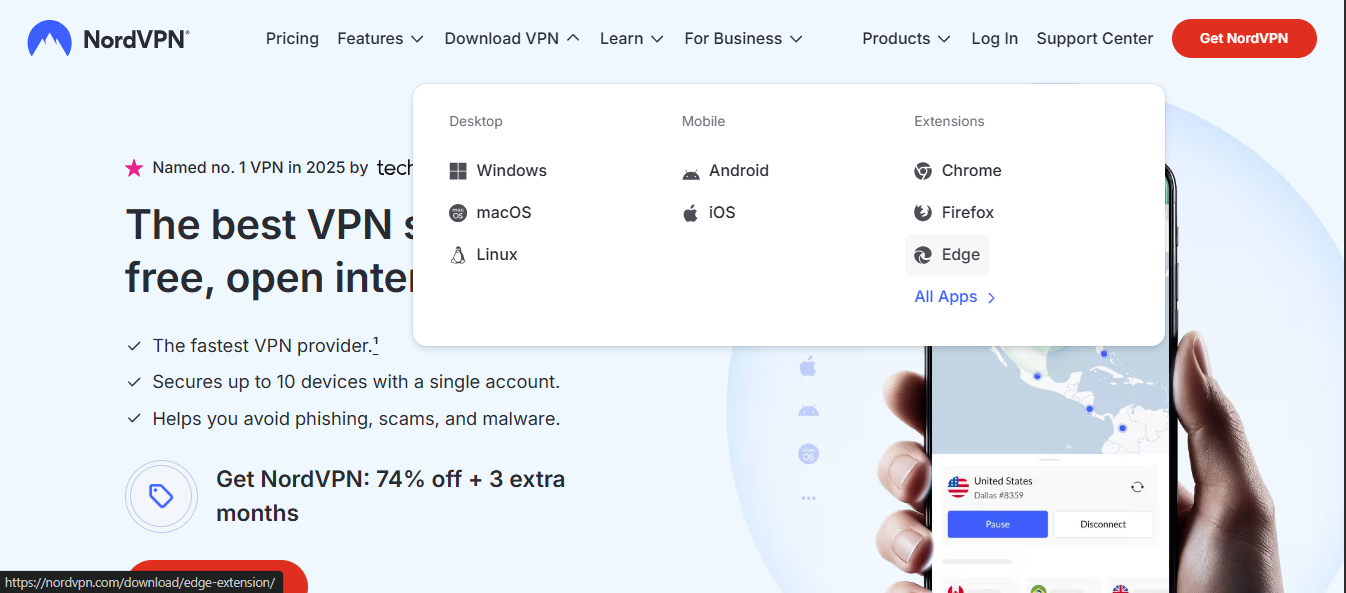
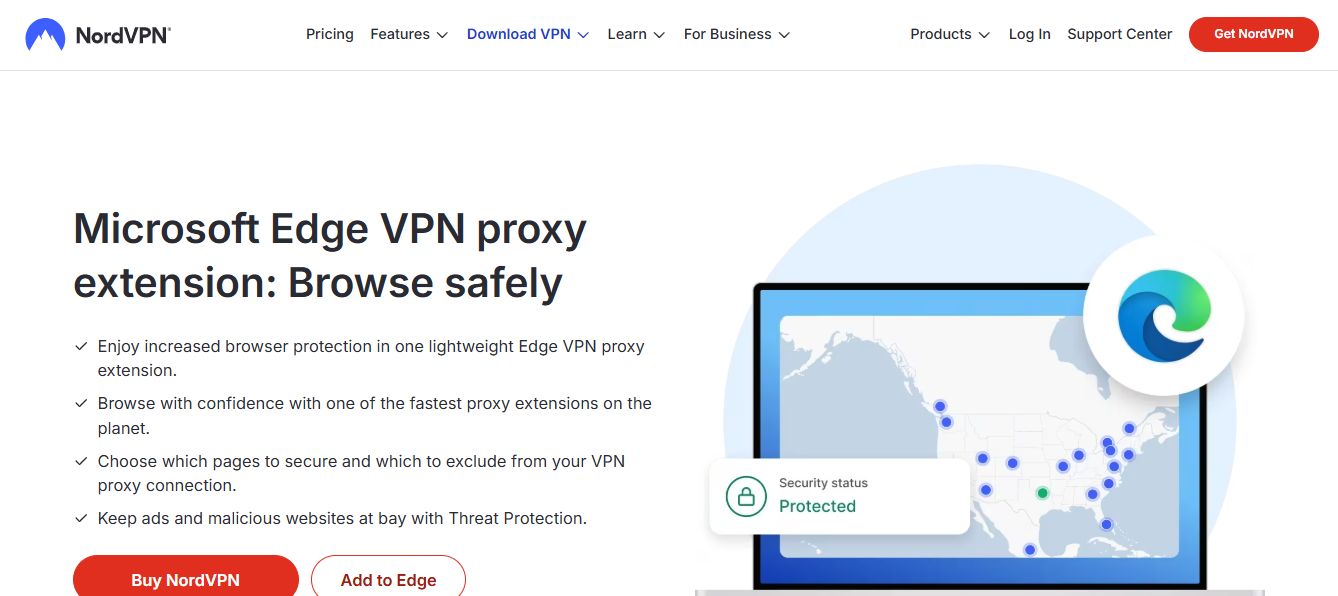
Vpn add on edge is a browser extension that routes Edge browser traffic through a VPN server. In this guide, you’ll learn how Edge VPN add-ons work, what to look for before you install one, and how to get the most out of them for privacy, security, and streaming. We’ll also cover step‑by‑step installation, troubleshooting, and real‑world tips so you can decide whether an Edge extension is enough or you should pair it with a full VPN app. If you’re in a hurry, consider this quick option: NordVPN offers a robust Edge-compatible extension along with a full VPN app for your devices. For a limited time you can grab a great deal here:
Useful resources and references text only, not clickable: NordVPN - nordvpn.com ExpressVPN - expressvpn.com Surfshark - surfshark.com Edge browser extensions store - microsoft.com What is a VPN? - en.wikipedia.org/wiki/Virtual_private_network Netflix help on VPNs - help.netflix.com Kaspersky VPN review - kaspersky.com CISA cybersecurity resources - cisa.gov ANI: speed tests and VPN performance benchmarks - speedtest.net
Introduction: what this guide covers and why Edge VPN addons matter
- Yes — Edge add-ons can protect your browser traffic by routing it through a VPN server, giving you a new IP address and an extra layer of privacy while you browse. This guide breaks down what that means, how to install an Edge VPN addon, and how to decide if you need more than a browser extension.
- What you’ll get in this post:
- A plain‑language explanation of Edge VPN addons and how they differ from OS‑level VPN apps
- A checklist for choosing the right Edge extension: logging policies, kill switch, DNS leak protection, and server options
- A step‑by‑step install guide for popular Edge addons, plus common troubleshooting tips
- Real‑world use cases: streaming, work‑from‑home, travel safety, and privacy basics
- A reliable FAQ section with practical answers to common questions
Body
What is a VPN add-on for Edge and how does it work?
A VPN add‑on for Edge is a browser extension that creates a VPN tunnel for traffic that leaves your browser. It’s different from a full VPN app installed on your device in a few key ways:
- Scope: Browser extensions typically route only the browser’s traffic, not your entire device’s internet traffic. If you open a separate app like a game or a desktop messenger, its traffic may bypass the extension unless the provider’s system uses a VPN client on the OS level.
- Convenience: Extensions are quick to install, lightweight, and lets you switch servers with a click right from your browser toolbar.
- Settings: Most Edge addons rely on a companion VPN service that runs in the cloud. you manage connections via the extension, while some providers also require you to log in to a desktop or mobile app for full features.
- Privacy model: A good Edge addon should still be backed by a provider with a clear privacy policy, preferably with a verified no-logs stance and transparent data practices.
Why Edge users choose these addons: Edge is now a Chromium-based browser, which means it supports Chrome Web Store extensions and, more recently, Microsoft’s own Edge Add-ons store. This broad compatibility makes it easier to find reputable VPN extensions that work well within Edge. In 2024–2025, roughly a third of internet users in many regions used some form of VPN at least once a month, and many of them rely on browser addons for quick protection when browsing. The most trusted providers offer Edge extensions that support common VPN features like server selection, automatic connection on startup, and DNS protection.
How Edge VPN addons compare to VPN apps
- Edge addon benefits:
- Quick enable/disable from the browser toolbar
- Lightweight. no need to install a big app
- Useful for unblocking site content, securing public Wi‑Fi on a browser basis, and masking your browser location while you browse
- Edge addon limitations:
- Broader device traffic non-browser apps may not go through the VPN unless you also install the provider’s OS app
- Fewer advanced controls kill switch, split tunneling, or malware protection than a full VPN app
- Some addons may rely on the provider’s cloud network rather than a full local tunnel
- VPN app advantages:
- System‑wide protection for all apps and services
- More robust security features, like robust kill switches and multiple protocols
- Stable performance for streaming, gaming, and large file transfers
- When to choose one over the other:
- If you mainly browse sensitive sites in Edge or want quick privacy tricks on a public Wi‑Fi, an addon can be enough.
- If you want comprehensive privacy, better streaming access on all apps, and strong protection on all devices, pair the addon with the provider’s full VPN app or use a standalone full VPN.
Best Edge VPN addons and what to look for in 2025
When evaluating Edge VPN addons, keep an eye on these factors:
- Strong encryption: AES‑256 is standard. ensure the addon supports modern protocols like WireGuard or IKEv2.
- Clear no‑logs policy: Look for independent audits or verifiable privacy claims.
- DNS leak protection: Your DNS requests should be resolved by the VPN’s DNS servers to avoid leaking your browsing activity.
- Kill switch: A feature that cuts internet access if the VPN disconnects, so you don’t accidentally leak your IP.
- Auto‑connect and startup options: It’s convenient if the addon starts protecting you as soon as you launch Edge.
- Server choices: A wide selection of servers across regions helps with both speed optimization and content access.
- Speed and reliability: Look for providers with fast, stable networks and low jitter.
- Transparency and support: A clear privacy policy, published breach history, and accessible customer support.
Edge addons from major providers you’ll commonly see in 2025 include:
- NordVPN Edge extension
- ExpressVPN Edge extension
- Surfshark Edge extension
- Windscribe Edge extension
- TunnelBear Edge extension
Important note: many of these providers deliver an Edge extension that works by connecting you through the provider’s browser‑based extension network or via a small client on your device. In practice, you may need to install both the Edge addon and the provider’s main Windows/macOS app for full protection and extra features. Veepn for microsoft edge 2026
Step‑by‑step: how to install a VPN add‑on in Microsoft Edge
- Open Edge and go to the Extensions area:
- Click the three dots menu in the top right and select Extensions.
- Choose Get extensions from the Microsoft Edge Add-ons store, or search for a provider’s Edge extension in the Chrome Web Store Edge supports Chrome-compatible extensions.
- Find the VPN addon:
- Search for the provider’s Edge extension e.g., NordVPN Edge, ExpressVPN Edge.
- Read the extension permissions to understand what traffic it will handle.
- Add to Edge:
- Click Add to Edge, then confirm the installation.
- The extension icon will appear in your toolbar.
- Sign in and configure:
- Click the extension icon and sign in with your VPN account.
- If the provider requires, download and install the companion VPN app on your device for full features like a system kill switch or DNS protection that the browser addon alone may not provide.
- Customize settings:
- Enable auto-connect on startup.
- Turn on DNS leak protection.
- If available, enable the kill switch. If not, you may want to rely on the OS VPN app for that feature.
- Pick a server and test:
- Choose a server location based on your needs speed, proximity, or region access.
- Visit a site like whatismyipaddress.com to confirm your IP and location have changed.
- Verify protections:
- Check for DNS leaks by performing a DNS leak test.
- Make sure WebRTC is not leaking your IP. Some addons offer WebRTC protections. you may also adjust browser settings to minimize leaks.
- Start browsing:
- You’re ready to browse Edge with your VPN addon active. Remember that only Edge traffic is protected unless you’re using the full VPN app.
Security and privacy considerations with Edge addons
- Browser‑level versus device‑level protection: Edge addons provide browser traffic protection. if you’re worried about every app on your device, pair the addon with the provider’s full VPN app for OS‑level coverage.
- Logging and privacy: Always review the provider’s privacy policy and any independent audits. Even a “no logs” claim can vary by what is logged metadata, connection times, bandwidth.
- DNS handling: Ensure the addon directs DNS queries to the VPN provider’s resolvers. DNS leaks can reveal your true location even when the URL is masked.
- WebRTC concerns: Some browsers can reveal your real IP via WebRTC. Look for a provider that blocks or mitigates WebRTC leaks in the addon or via browser settings.
- Kill switch availability: If the addon doesn’t have a kill switch, ensure the OS app offers one, or consider a provider that includes a kill switch in both browser and OS layers.
- Updates and transparency: Choose a provider that updates their Edge addon regularly and communicates changes clearly.
Edge addon use cases: privacy, streaming, and work
- Privacy on public Wi‑Fi: When you’re at a cafe or airport, an Edge addon helps mask your browsing activity and protects you from local threats on the network.
- Bypassing geographic blocks for browsers: Some streaming sites and content libraries restrict access by IP region. A reliable Edge addon with a broad server network can help you appear from a different country when you’re just using the browser.
- Work and education access: If your organization provides access to region‑restricted resources, a well‑configured Edge addon can help you reach those resources without changing your entire device configuration.
- Portability and convenience: If you travel with a laptop and mostly use Edge for online research, a browser addon provides a quick layer of privacy without the overhead of a full VPN app on every device.
Performance considerations and common trade‑offs
- Speed: VPN speed depends on server distance, the provider’s network, and the protocol used. Edge addons with modern protocols like WireGuard tend to offer better speeds than older options.
- Latency: Longer distances and busy server locations can add latency. If you’re gaming or doing latency‑sensitive tasks, test different servers to find a sweet spot.
- Stability: Browser extensions can be less stable if the browser changes or if the extension isn’t regularly updated. Keep your Edge browser and addon up to date.
- Battery and CPU impact: Browser extensions usually have a minor impact on battery life and CPU usage, but it can add up if you’re running other extensions or resource‑heavy tasks.
Edge addon versus full VPN app: a practical decision guide
Choose Edge addon if:
- You primarily browse in Edge and want quick privacy with minimal setup.
- You’re on a shared device and want a fast, browser‑level solution.
- You’re testing a provider’s service before committing to the full app.
Choose full VPN app if:
- You need device‑wide protection for all apps Windows, macOS, iOS, Android.
- You want a robust kill switch, advanced split tunneling, or malware protection features.
- You work with sensitive data, or you want stronger streaming capabilities across multiple apps.
- You frequently switch between networks and rely on consistent protection across all traffic.
Best practice: Use the Edge addon for quick, browser‑level privacy and pair it with the provider’s full VPN app for comprehensive security.
Practical tips for using Edge VPN addons effectively
- Pair with a reliable provider: Choose a service with a strong privacy policy, transparent operations, and solid performance.
- Test, test, test: Try several servers to identify the best balance of speed and access for your location and streaming needs.
- Stay informed about restrictions: Some sites actively block VPN IPs. If you encounter blocks, try switching servers or use the provider’s streaming‑optimized servers if available.
- Watch for DNS leaks: Periodically run DNS leak tests to confirm your DNS requests aren’t leaking outside the VPN tunnel.
- Don’t rely on one line of defense: If you handle sensitive data, use the provider’s OS app to ensure full device protection, including privacy features like a kill switch and advanced leak protection.
Common pitfalls and how to avoid them
- Believing Edge addons cover all traffic: They don’t unless you also run the provider’s OS app on your device. If you need full protection, install the full VPN app.
- Assuming all Edge addons are equal: Not all addons include the same features. Check for DNS protection, kill switch, and server options before installing.
- Ignoring privacy policies: Some addons merely route traffic through a proxy rather than encrypt it, which offers less protection than a full VPN. Always verify encryption standards and logging practices.
Tools, stats, and data to help you decide
- VPN adoption trends: In many regions, VPN usage jumped significantly from 2020 to 2024, with a sizable portion of users relying on a VPN for privacy, censorship circumvention, and access to content libraries.
- Edge compatibility: As a Chromium‑based browser, Edge supports Chrome‑style extensions, expanding the pool of potential VPN addons you can use without changing browsers.
- Security basics: Industry standard encryption like AES‑256 with modern protocols remains the baseline for reputable VPN providers. A real no‑logs policy should be verified through audits or transparent disclosures.
Real‑world setup checklist
- Confirm Edge addon works with your Edge version and operating system.
- Install the addon and sign in to your VPN account.
- If available, install the provider’sOS app for full protection kill switch, DNS protection, full device routing.
- Enable auto‑connect and DNS leak protection in settings.
- Run a quick IP check and DNS leak test after connecting.
- Test streaming and access to geo‑blocked content using the addon’s recommended servers.
- Periodically re‑evaluate server choices to optimize for speed and reliability.
Frequently Asked Questions
How do I know if my Edge VPN addon is actually protecting me?
Your Edge VPN addon should show a connected status with a server location. Use a site like whatismyipaddress.com to confirm your IP location matches the server you chose. Also run a DNS leak test to ensure DNS requests are routed through the VPN.
Can I use a VPN addon in Edge without installing a full VPN app?
Yes, many providers offer Edge extensions that protect browser traffic. For full device protection, you’ll want to install the provider’s OS app as well, especially to get features like a kill switch and system‑wide DNS protection. Ubiquiti er-x vpn setup guide for OpenVPN, IPsec, and client VPN on EdgeRouter X 2026
Will a VPN addon slow down my browsing in Edge?
Most users experience some speed impact due to encryption and routing. The degree of slowdown depends on server distance, server load, and the protocol used. Using fast protocols like WireGuard often minimizes speed loss.
Do VPN addons work on Windows, macOS, and Linux?
Edge addons themselves are browser extensions and work across Edge on Windows, macOS, and other supported platforms. For full device protection, you’ll typically use the provider’s VPN app on each OS.
Can I still access streaming services with an Edge addon?
Some streaming sites are strict about VPNs. A good VPN provider offers streaming–optimized servers and known IPs that unblock libraries. If one server doesn’t work, switch to another server within the addon.
Is there a risk with free Edge VPN addons?
Free addons may log data, show ads, or provide weaker encryption. They can also be less reliable. It’s generally safer to choose a reputable paid provider with a clear privacy policy.
Should I use WebRTC protections in Edge when using a VPN addon?
WebRTC can leak IP addresses in some browsers. Enable any built‑in WebRTC protections in the addon or browser, and consider using a provider that blocks WebRTC leaks. Ultrasurf security privacy & unblock vpn edge 2026
How do I enable a kill switch for an Edge addon?
If the addon supports a kill switch, you’ll find it in the extension’s settings. If not, install the provider’s full VPN app and enable the system‑level kill switch.
Can I use multiple VPN addons at once in Edge?
It’s not recommended to run multiple VPN addons simultaneously. they can conflict and cause connectivity issues. Pick a trusted provider and stick with its extension, or use the OS app for broader protection.
What should I do if the Edge addon stops working?
First, check for updates to Edge, the addon, and the VPN app. Restart Edge, re-authenticate, and test different servers. If problems persist, contact the provider’s support with details about your OS, Edge version, and steps to reproduce.
Is Edge the best browser for VPN addons?
Edge is a solid option because it’s Chromium‑based and supports Chrome‑style extensions, which gives you a broad selection of VPN addons. If you want maximum privacy and device‑level protection, pair the addon with a full VPN app across all devices and browsers.
How do I protect my privacy beyond a browser addon?
Use a VPN provider with a transparent no‑logs policy, enable a kill switch on your OS app, and consider additional privacy tools like a reputable anti‑tracking extension, secure DNS, and regular security audits. Tuxler vpn extension chrome 2026
Can VPN addons help with online safety on public Wi‑Fi?
Yes. They help by masking your IP, encrypting traffic, and protecting DNS requests from eavesdroppers on shared networks. Make sure to turn on the addon before you start browsing on public networks.
Final notes: choosing the right path for Edge users
Edge addons are a convenient way to add a layer of privacy to your browser experience. They’re especially useful if you primarily browse in Edge and want a quick shield on public networks or when you need to circumvent geoblocks for browser content. If you’re serious about privacy and want comprehensive protection for all apps and services on your device, don’t stop at the browser addon—consider pairing it with the provider’s full VPN app and adopting a privacy‑first setup across your devices.
Resources
- NordVPN - nordvpn.com
- ExpressVPN - expressvpn.com
- Surfshark - surfshark.com
- Edge browser extensions store - microsoft.com
- What is a VPN? - en.wikipedia.org/wiki/Virtual_private_network
- Netflix help on VPNs - help.netflix.com
- Kaspersky VPN review - kaspersky.com
- CISA cybersecurity resources - cisa.gov
- VPN performance benchmarks - speedtest.net
Best vpn edge for edge networking: the ultimate guide to choosing and using the best VPNs in 2025