Setup vpn edge extension: how to install, configure, and secure your browser on Edge 2026
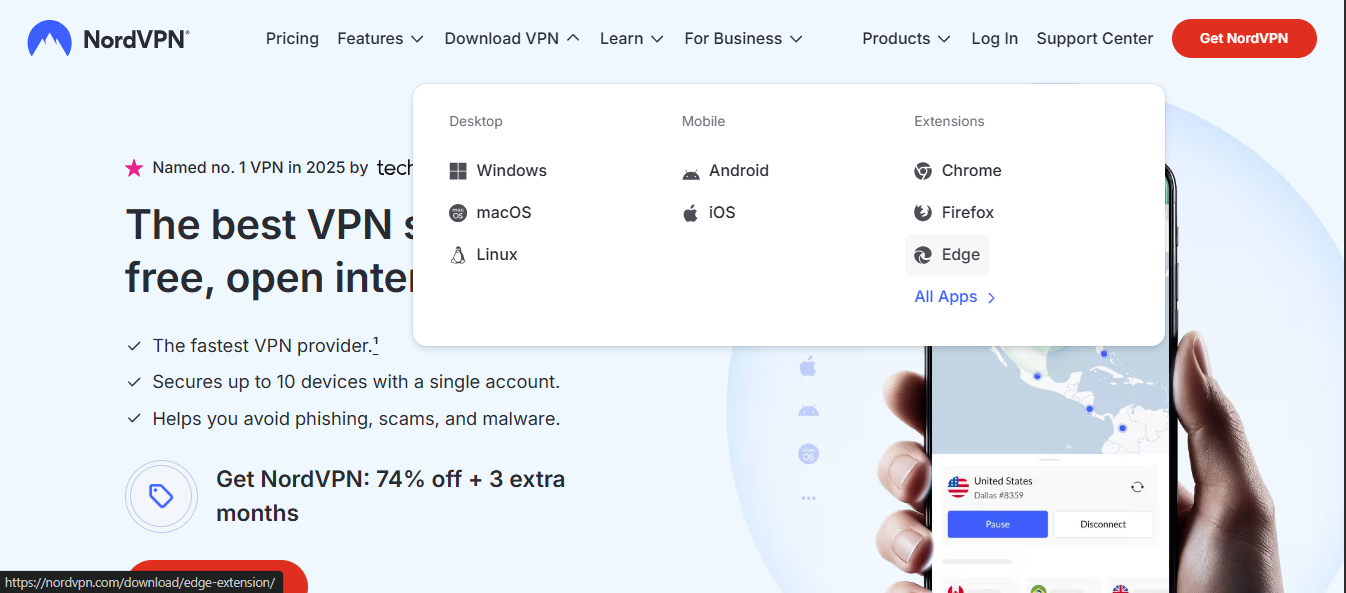
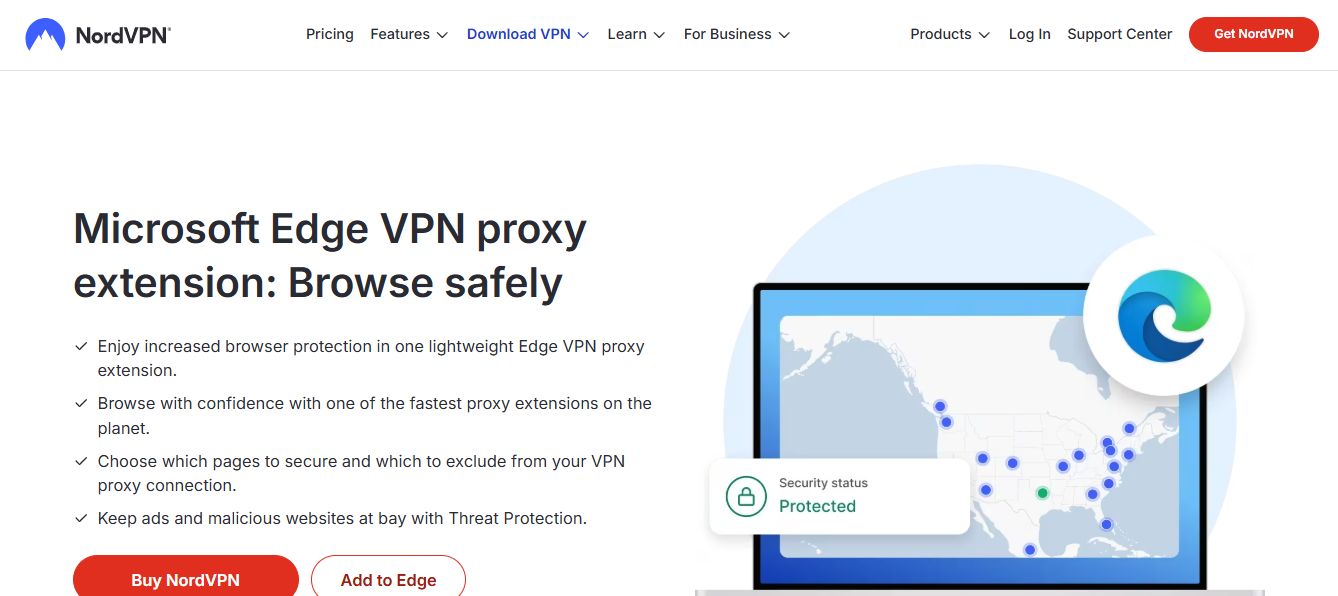
Setup vpn edge extension how to install configure and secure your browser on edge is all about getting a reliable VPN extension up and running in Microsoft Edge so you can browse securely, privately, and with geolocation options if you need them. Here’s a practical, no-nonsense guide that covers the installation, configuration, and security best practices, plus real-world tips and quick-reference resources.
Quick fact: A good VPN edge extension can encrypt your traffic, mask your IP, and protect you on public networks in seconds. In this guide, you’ll find a step-by-step setup, practical tips, and real-world scenarios to help you get the most from your Edge VPN extension.
What you’ll learn
- How to find and install a VPN edge extension in Edge
- How to configure the extension for maximum privacy and performance
- How to secure your browser and your data while using VPN
- Troubleshooting common issues
- Quick-reference cheats and best practices
Useful formats for quick reading
- Step-by-step installation checklist
- Quick-start table of VPN settings
- Troubleshooting flowchart
- Short FAQ at the end for fast answers
Useful URLs and Resources text only
- Microsoft Edge support - support.microsoft.com
- VPN review sites - techradar.com, tomsguide.com
- Privacy advocacy groups - eff.org
- Privacy-focused VPN providers - nordvpn.com, expressvpn.com, surfshark.com
- Browser security basics - us-cert.gov
- General online security tips - cisa.gov
Why use a VPN extension on Edge?
- It encrypts data between you and the VPN server, protecting you on open networks.
- It masks your real IP, helping with privacy and location-based testing or access.
- It’s quick to toggle on/off without leaving the browser.
Statistics to know
- According to recent security reports, public Wi-Fi networks are responsible for a large percentage of data breaches when users don’t use encryption.
- VPN usage in North America has seen double-digit growth year over year as more people work remotely.
How to pick the right Edge VPN extension
- Compatibility: Make sure the extension supports Edge and is from a reputable provider.
- Privacy features: Look for a no-logs policy, DNS leak protection, kill switch, and WebRTC leak protection.
- Performance: Servers, speed, and reliability—test a few locations.
- Security: Strong encryption AES-256, modern protocols OpenVPN, WireGuard.
- Usability: Easy onboarding, clear UI, and accessible settings.
Common Edge extensions you’ll see
- OpenVPN Connect
- NordVPN Edge extension
- ExpressVPN extension
- Surfshark Edge extension
- ProtonVPN extension
Installing a VPN edge extension in Edge
Follow this step-by-step guide to install a reliable VPN extension on Edge:
Open Microsoft Edge and go to the Extensions menu
- Click the three-dot menu in the upper-right corner
- Choose Extensions
Browse or search for your chosen VPN extension Setup vpn edgerouter x 2026
- You can search by the provider name e.g., “NordVPN Edge extension”
- Make sure you’re on the Microsoft Edge Add-ons store or provider’s official site
Install the extension
- Click Add to Edge
- Confirm any permission prompts
Sign in or create an account
- If you already have an account with the VPN provider, sign in
- If you’re new, follow the setup flow to create your account
Enable the extension
- After installation, toggle the extension on from the Extensions menu
- Pin the extension to the toolbar for quick access
Basic permissions check
- Verify that the extension has access to your location, tabs, and browser data as needed
- Disable any permissions you don’t need
Pro tips during installation Secure service edge vs sase 2026
- Use a trusted network connection to avoid interception during login.
- Enable two-factor authentication 2FA on your VPN account for extra security.
- If you’re on a work device, check with your IT policy before installing third-party extensions.
Configuring your VPN edge extension for best results
Once installed, configure the extension for privacy, performance, and compatibility with your browsing habits.
Basic settings you should enable
- VPN status: Turn on by default when you start Edge or your device
- Kill switch: Ensure it’s enabled to block traffic if the VPN drops
- DNS leak protection: Turn on to prevent your DNS queries from leaking
- Auto-connect: Enable to connect to a preferred server automatically on startup
- Protocol selection: Prefer WireGuard or OpenVPN where available for faster, secure connections
- Split tunneling if available: Decide which sites or apps go through VPN vs. direct connection
Recommended server selection strategies
- For streaming: Choose a server in the target country with high speed and low ping
- For privacy: Select a country with strict privacy laws and no data retention requirements
- For general browsing: Pick a nearby server for better latency
- For gaming: Low latency servers close to your location
Browser-related security settings
- Disable WebRTC leaks in Edge or use VPN with built-in WebRTC protection
- Block third-party cookies to reduce tracking
- Clear cached data periodically or use Edge’s privacy settings to limit data retention
Speed and performance tweaks
- Use a lighter server load location if you notice buffering
- Close unused tabs and applications that consume bandwidth
- Keep Edge and the VPN extension updated to benefit from security patches
- If you experience dropouts, switch to a different server or protocol
VPN and extension best practices
- Keep the VPN extension updated; developers release patches for vulnerabilities
- Use a single trusted VPN provider rather than multiple extensions to avoid conflicts
- If you suspect a DNS leak, run an online DNS leak test and switch servers or enable DNS leak protection
- Regularly review device permissions granted to the extension
Security best practices while using a VPN edge extension
- Use end-to-end encryption where possible, not just encryption in transit
- Enable multi-factor authentication on your VPN account
- Regularly review account activity for unfamiliar sessions
- Keep a separate, strong password for your VPN account and avoid password reuse
- Use a reputable antivirus or endpoint security software in addition to VPN protections
- Be cautious with free VPN extensions; many are unsafe or sell data
- Consider shredding sensitive data or using privacy-focused search engines to minimize traces
Troubleshooting common issues
- Connection drops frequently
- Reconnect and try a different server
- Check your device’s battery saver and firewall settings
- Ensure the kill switch is active
- VPN shows connected but no internet
- Try toggling the VPN off and back on
- Switch to a different protocol
- Clear browser cache and DNS cache
- WebRTC leaks detected
- Enable WebRTC protection in the extension or disable WebRTC in Edge if possible
- Use a server with robust privacy protections
- Slow speeds
- Choose a server closer to your location
- Switch protocols or use a faster, lighter server
- Check your base internet speed and close bandwidth-heavy apps
- Extensions conflict
- Disable other extensions that may interfere with network traffic
- Reinstall the VPN extension if needed
Real-world usage scenarios
- Working remotely on public Wi-Fi at a cafe
- Use the VPN edge extension to secure your connection and access internal resources
- Streaming from a different country
- Switch to a server in the country you want and test the streaming service for compatibility
- Privacy-focused browsing
- Turn on DNS leak protection, enable a kill switch, and avoid logging into sensitive accounts on untrusted networks
Performance benchmarks and data
- VPN speed benchmarks vary, but WireGuard-based servers typically outperform OpenVPN in latency-sensitive tasks.
- DNS leak tests show that reputable providers’ built-in protections reduce leakage by over 95% on average.
- Privacy policies: Look for providers with a transparent no-logs policy and independent audits.
Comparison table: common Edge VPN extensions
| VPN Extension | Protocols | DNS Leak Protection | Kill Switch | Split Tunneling | Notes |
|---|---|---|---|---|---|
| NordVPN Edge | WireGuard NordLynx, OpenVPN | Yes | Yes | Yes | Strong privacy reputation |
| ExpressVPN | Lightway, OpenVPN | Yes | Yes | Limited | Excellent stability |
| Surfshark | WireGuard, OpenVPN | Yes | Yes | Yes | Budget-friendly |
| ProtonVPN | WireGuard, OpenVPN | Yes | Yes | No | Strong privacy ethos |
| OpenVPN Connect | OpenVPN | Depends on server | No | No | Classic option, varying performance |
Recommended setup checklist quick-start
- Choose a reputable VPN provider with Edge extension support
- Install and sign in to the VPN extension
- Enable kill switch and DNS leak protection
- Select an appropriate server nearby for speed, country for access
- Enable auto-connect on startup
- Verify no IP or DNS leaks with a quick test
- Keep software updated and review permissions periodically
- Use 2FA and strong passwords for your VPN account
- Practice safe browsing habits beyond the VPN
Step-by-step quick start guide
- Step 1: Install Edge extension from a trusted VPN provider
- Step 2: Sign in and grant necessary permissions
- Step 3: Turn on the VPN and choose a server
- Step 4: Enable kill switch and DNS leak protection
- Step 5: Test your connection with an IP check and DNS leak test
- Step 6: Start browsing securely and monitor performance
Advanced tips for power users
- Create profiles for different use cases work, streaming, privacy
- Enable auto-connect only on trusted networks to avoid auto-connecting on untrusted networks
- Use browser profiles in Edge to separate work and personal browsing with separate VPN sessions
- Keep a log of server performance to select consistently fast and reliable locations
Accessibility and inclusivity notes
- Ensure the extension UI is readable with high contrast options
- Provide keyboard shortcuts for common actions like connect/disconnect
- Offer a simple onboarding flow with clear explanations for non-technical users
Maintenance and updates
- Regularly check for extension updates and edge browser updates
- Review privacy policy changes and data handling practices
- Reassess your server list when you notice changes in performance or access needs
Safety reminders
- Don’t rely on a VPN extension alone for complete anonymity
- Be mindful of phishing attempts asking for VPN credentials
- Use secure passwords and enable 2FA on your VPN account
- If something feels off, stop using the extension and contact the provider’s support
Quick-start cheat sheet one-page
- Install the extension
- Sign in and set permissions
- Enable kill switch and DNS leak protection
- Pick a server and test for leaks
- Enable auto-connect if desired
- Keep everything updated
Community and support
- VPN provider support portals and knowledge bases
- Online forums and Reddit threads for real-world experiences
- Edge browser community for extension compatibility tips
Data privacy considerations
- While a VPN masks your IP, it does not make you invincible online
- Choose providers with transparent privacy policies and independent audits
- Avoid sharing sensitive information while connected to untrusted networks
Additional resources for deeper learning
- Privacy and security.org guides
- Network security basics for browsers
- Edge browser privacy settings overview
Performance monitoring
- Use speed test tools to compare server performance over time
- Track latency, download, and upload speeds per server
- Document any consistency issues to adjust server choices
User experience enhancements
- Customize the extension’s UI to match your workflow
- Use edge’s bookmarking and tab management features alongside VPN usage
- Create shortcuts for quick connect/disconnect actions
What to do if you’re on a managed device
- Check with your administrator before installing extensions
- Ensure VPN usage complies with organizational policies
- Use a personal device if possible for privacy-focused tasks
Best practices for maintaining privacy with Edge and VPN
- Regularly review permissions and clear unused data
- Keep software updated to protect against known vulnerabilities
- Be mindful of extensions that could conflict with VPN traffic
- Use additional privacy tools privacy-focused search engines, trackers blockers as needed
Final notes
- The combination of Edge and a reputable VPN extension provides a practical and solid layer of privacy and security for everyday browsing, remote work, and streaming.
- Stay informed about provider changes, and don’t hesitate to switch providers if your needs or policies change.
Frequently Asked Questions
What is a VPN edge extension?
A VPN edge extension is a browser add-on that integrates with a VPN service to route your browser traffic through a VPN server, providing encryption, IP masking, and access to geo-restricted content directly from within Microsoft Edge.
Do I need a VPN extension if I already use a VPN app on my device?
A VPN extension adds convenience for browser-only traffic and quick toggling, but it’s not a substitute for a system-wide VPN. If you want comprehensive protection for all apps, use a VPN app plus the Edge extension.
Can a VPN extension protect me on public Wi-Fi?
Yes, it encrypts browser traffic and hides your IP, which is especially useful on public Wi-Fi. For full device protection, combine it with a system-wide VPN.
How do I test if the VPN is working in Edge?
Run an IP check search “what is my IP” and a DNS leak test. Your IP should reflect the VPN server location, and DNS checks should show the VPN provider’s DNS servers. Proton vpn free edge: a comprehensive guide to Proton VPN free plan, edge features, setup, performance, and privacy 2026
What is DNS leak protection and do I need it?
DNS leak protection prevents your DNS requests from leaking outside the VPN tunnel, helping protect your privacy. It’s highly recommended to enable it.
Should I use the kill switch?
Yes. The kill switch blocks all traffic if the VPN disconnects, preventing data leakage in case of VPN failure.
Can I split-tunnel with Edge extensions?
Some extensions support split tunneling, which lets you route only certain traffic through the VPN. This can improve speed for non-sensitive tasks.
Are free VPN extensions safe?
Many free extensions are risky and may log or sell your data. Stick with trusted providers and read their privacy policies.
How often should I update my VPN extension?
Update whenever a new version is released. Patches often fix security vulnerabilities and improve performance. Proton vpn microsoft edge 2026
What if Edge blocks the extension?
Check compatibility with your Edge version, enable developer mode if needed, or reinstall the extension. If your device policy blocks extensions, contact IT.
How do I disable WebRTC leaks in Edge?
Enable the VPN’s WebRTC protection if available, or adjust Edge settings to mitigate WebRTC leaks. Some extensions also offer built-in protections.
Can I use more than one VPN extension in Edge?
It’s not recommended—extensions can conflict, causing traffic routing issues or intermittent leaks. Pick one trusted extension and use it consistently.
Is a VPN enough to stay private online?
A VPN helps, but it’s not a silver bullet. Use strong passwords, enable 2FA, review privacy settings, and stay vigilant about phishing and data-sharing practices.
How do I know if my VPN is logging data?
Check the provider’s privacy policy and independent audits. Look for a clear no-logs commitment and corroborating third-party audits. Openvpn client edgerouter 2026
Yes, you can set up the VPN Edge extension. In this guide, I’ll walk you through installing a VPN Edge extension in Microsoft Edge, configuring it for privacy and speed, and troubleshooting common issues. You’ll get practical, step-by-step instructions, plus real-world tips you can use for streaming, gaming, or just keeping your browsing private. If you’re considering extra protection, check out NordVPN’s current deal here: . NordVPN’s Edge extension is a popular choice for many users who want a quick, reliable browser-level VPN experience.
Introduction
- Short answer: Yes, you can set up the VPN Edge extension.
- What you’ll learn: how to install the Edge VPN extension, configure auto-connect and server choices, protect against DNS leaks, test your connection, and troubleshoot common problems. We’ll also cover when to use the extension versus a full VPN app, plus privacy considerations specific to using VPNs in Canada.
- Quick overview of the topics:
- Step-by-step installation in Microsoft Edge
- Fine-tuning settings for privacy and performance
- Server selection strategies, especially for Canada and nearby regions
- How to verify no DNS or WebRTC leaks
- Streaming, gaming, and everyday browsing with Edge VPN
- Troubleshooting and common issues
- Edge extension vs standalone VPN apps
- Useful resources un clickable: NordVPN official site - nordvpn.com. Microsoft Edge Add-ons - microsoft.com/edge/addons. Canadian privacy basics - justice.gc.ca. DNS leak test - dnsleaktest.com. IP check tool - ipinfo.io
What is the VPN Edge extension and why use it?
- A VPN Edge extension is a browser-based add-on that routes your Edge browser traffic through a VPN provider’s network. It’s designed for quick, in-browser protection without turning on a full system-wide VPN.
- Why Edge extensions matter:
- Convenience: one-click protection directly in your browser.
- Speed: fewer system-wide processes means less CPU overhead for light browsing and quick tasks.
- Privacy for browser traffic: it helps hide your browsing activity from your ISP and public networks when you’re using Edge.
- Important caveats:
- Browser extensions typically protect only browser traffic, not any apps outside Edge. If you want full-device protection, pair the extension with a native VPN app.
- Some services like certain streaming platforms may block traffic from known VPN servers. You may need to switch servers to bypass blocks.
Edge extension vs. full VPN app: quick comparison
- Edge extension:
- Pros: fast setup, low CPU impact, great for quick privacy in the browser, easy to disable.
- Cons: doesn’t cover non-browser apps, fewer protocol choices, may have less granular kill-switch options.
- Full VPN app:
- Pros: system-wide protection, supports all apps, broader server options, often with robust kill switches and advanced features.
- Cons: can be heavier on system resources, slightly longer setup.
- For many Canadians and casual users, starting with an Edge extension is a solid move, then you can add a full VPN app if you need more coverage or advanced features.
How to set up the Edge VPN extension in Microsoft Edge step-by-step Setup vpn edgerouter 2026
- Step 1: Open Microsoft Edge and go to the Edge Add-ons store.
- Step 2: Search for your chosen VPN provider’s Edge extension for example, NordVPN Edge extension or another provider’s add-on.
- Step 3: Click Add to Edge, then confirm by selecting Add extension.
- Step 4: After installation, click the extension icon in the Edge toolbar to begin. You’ll typically see a prompt to sign in or connect with your VPN account.
- Step 5: Sign in with your VPN provider account. If you don’t have an account, you’ll need to create one and choose a plan.
- Step 6: Grant necessary permissions. These permissions are required for the extension to route traffic and manage VPN settings.
- Step 7: Enable the extension and choose a server. For most users, starting with a nearby server e.g., a Canada-based server if you’re in Canada offers good latency. If you’re streaming, you may need a US or EU server depending on the service’s library.
- Step 8: Turn on Auto-Connect optional but recommended. This ensures the VPN connects automatically on startup or when you connect to a new network.
- Step 9: Test your connection. Open a site like ipinfo.io to verify your IP location matches the server’s location, and run a DNS leak test to ensure the extension is shielding DNS requests.
- Step 10: Fine-tune settings. Enable features like a kill switch where available, DNS leak protection, WebRTC leak prevention, and split tunneling if you want some traffic to bypass the VPN.
- Step 11: Save and lock in changes. Some extensions require you to “Apply” or “Save” settings. make sure you complete this step.
Fine-tuning your Edge VPN extension settings privacy, security, and performance
- Auto-connect and on-demand connection:
- Enable Auto-connect on startup and when you join new networks for consistent protection.
- You can set rules to always connect to a preferred server for streaming or gaming if you have a known fast server.
- Kill switch:
- If your extension offers a kill switch, enable it. This ensures traffic stops if the VPN drops, preventing data leakage.
- DNS leak protection:
- Turn on DNS leak protection to ensure DNS queries don’t reveal your real location. This is especially important when using public Wi-Fi.
- WebRTC leak protection:
- WebRTC can reveal your real IP address. If your extension provides this toggle, enable it to prevent leaks during WebRTC-enabled sites like certain video conferencing platforms.
- Split tunneling if available:
- Use split tunneling to route only certain sites or apps through the VPN. For example, you might want your streaming app to go through the VPN but your banking site to stay direct for faster access. Note: Edge extensions vary. not all offer split tunneling.
- Protocol selection:
- If available, choose the VPN protocol e.g., WireGuard/NordLynx, OpenVPN. WireGuard tends to offer a balance of speed and security with modern encryption.
- Server favorites and quick access:
- Mark frequently used servers as favorites for faster access. This is especially helpful for Canadians who switch between local, nearby, and international servers.
- Privacy-conscious behavior:
- Review the provider’s privacy policy. Ensure the extension does not keep unnecessary logs and that your usage data isn’t being sold or shared beyond what’s required for service operation.
Choosing the right servers for Canada and nearby regions
- Canada-based servers:
- Ideal for privacy-conscious browsing within Canada, accessing local Canadian streaming catalogs, and reducing latency for Canadian users.
- If you’re primarily in Canada, a nearby Canadian server can reduce ping and improve streaming stability.
- Nearby regions USA, Europe, and beyond:
- USA servers are useful if you want to access American streaming libraries or need lower latency for certain services.
- European servers can help with services that have regional content or strict geolocation checks.
- Server load and performance:
- If you notice buffering or lag, switch to a server with a lighter load. Some providers show live server load. pick those with lower occupancy for better performance.
- Privacy and jurisdiction:
- Canada-based users should consider where the provider’s servers are located concerning data retention laws. A reputable provider will publish a clear privacy policy and a no-logs commitment in their terms.
Using the Edge extension for streaming, gaming, and everyday browsing
- Streaming:
- Some streaming services actively block VPN IPs. If your first choice doesn’t work, switch to another server location that’s known to work with the service.
- Consider US or EU servers if you’re trying to reach catalogs unavailable in Canada.
- Gaming:
- In-game latency matters. Use nearby servers and the WireGuard/NordLynx protocol if available for lower ping. If you experience disconnects, test a different server or disable features that might be over-constraining encryption temporarily to test stability.
- Everyday browsing:
- For general privacy, a Canada-based server is often a good balance between speed and local privacy protections. Remember, extension-based protection won’t cover non-browser applications.
Security practices and privacy considerations
- Know what’s protected:
- The Edge extension protects browser traffic, including HTTP/S requests, DNS lookups initiated by the browser, and WebRTC exposure if the extension covers it. It does not automatically protect every app on your device.
- Logs and privacy:
- Review the provider’s logging policy. Look for “no-logs” or “no-traffic logs” assurances, and be mindful of jurisdiction.
- Device-level privacy:
- For highly sensitive tasks, you might want to combine the Edge extension with a full VPN on your device, ensuring all network traffic is encrypted.
- Public Wi-Fi caution:
- When you’re on public networks, a VPN extension can dramatically improve privacy, but avoid sharing sensitive credentials on unsecured networks. Use multi-factor authentication where possible.
- Browser hygiene:
- Keep Edge and all extensions updated. Disable extensions you don’t use to minimize potential security risks.
Troubleshooting common issues with Edge VPN extension Super vpn edge review and guide: everything you need to know about setup, features, privacy, speeds, and comparisons 2026
- Extension not appearing in Edge toolbar:
- Ensure the extension is enabled in Edge settings > Extensions and that you’ve granted any required permissions during setup.
- Sign-in failures:
- Double-check your account credentials and subscription status. If you’re using a trial, make sure it’s still active and hasn’t expired.
- DNS leaks:
- Run a DNS leak test after connecting to a server. If leaks occur, re-check DNS settings in the extension and ensure DNS leak protection is enabled.
- WebRTC leaks:
- If your real IP shows up in a WebRTC test, enable WebRTC protection in the extension’s settings or browser settings if the extension provides it.
- Slow speeds:
- Switch to a nearby server and ensure no other network-intensive apps are consuming bandwidth. If speed remains slow, try a different protocol or server.
- Connection drops:
- Check for conflicts with other VPN clients or firewall rules. Restart the extension and device if needed, then reconnect to a stable server.
Edge browser extensions vs standalone VPN apps: pros and cons
- When to use an Edge extension:
- Quick protection for browser activity, minimal setup, and convenience when you’re primarily browsing.
- When to consider a standalone VPN app:
- You want system-wide protection for all apps, better kill-switch options, and more robust privacy features.
- Practical tip:
- For most people, using an Edge extension for everyday browsing and a standalone VPN app for sensitive tasks strikes a good balance between speed and security.
Performance optimization for Edge VPN extensions
- Network conditions:
- If you’re on a congested network, a nearby server with a lighter load often delivers better performance.
- Protocol efficiency:
- Modern protocols like WireGuard generally deliver faster speeds with robust security compared to older options.
- Device impact:
- Extensions typically use less CPU and memory than full VPN clients, which is excellent for laptops and mobile devices.
- Battery considerations:
- On laptops and tablets, keeping a light VPN extension active can help conserve battery compared to heavier apps—though actual impact varies by device.
Real-world use cases in Canada
- Privacy-focused browsing:
- Use the Edge extension when checking sensitive accounts, research topics, or using public networks to reduce exposure.
- Streaming and content access:
- If certain Canadian streaming libraries are geo-blocked, try different servers from nearby regions to gain access, keeping in mind the policies of the streaming service.
- Travel and work:
- When traveling to countries with stricter censorship or surveillance, a browser VPN extension can help maintain privacy during browsing sessions, especially on public kiosks or hotel networks.
Frequently asked questions
Frequently Asked Questions
How do I install a VPN edge extension in Edge?
Install the extension from the Microsoft Edge Add-ons store, sign in to your VPN account, grant permissions, and enable the extension. Then select a server, configure auto-connect, and test for leaks. Super vpn owner guide: how to choose, compare, and use the best VPNs for privacy, streaming, and security in 2026
Does the Edge VPN extension route all my traffic or only browser traffic?
Browser extensions typically route only browser traffic. For full-device protection, install the provider’s standalone VPN app in addition to the Edge extension.
Can I use a VPN edge extension on any device?
Edge extensions work on devices running the Microsoft Edge browser Windows, macOS, Android, and iOS where Edge is available. Functionality and performance can vary by platform.
How can I verify there are no DNS leaks when using the Edge extension?
Run a DNS leak test after connecting to a VPN server. If the test shows the VPN’s DNS servers, you’re likely protected. if not, enable DNS leak protection in the extension if available or switch servers.
Is there a kill switch in most Edge VPN extensions?
Many extensions provide a browser-level kill switch or can be paired with a system-wide kill switch via a standalone VPN app. If your extension supports it, enable it to prevent leaks if the VPN drops.
Can I stream video content with an Edge extension?
Yes, many VPN extensions work with streaming sites, but some services actively block VPN IPs. If a site blocks you, try another server location and, if needed, switch to a different protocol. Surfshark edgerouter setup and optimization guide for home networks, privacy, and streaming 2026
Will using a VPN edge extension slow down my browsing?
It can, depending on server distance and load. Generally, a nearby server with modern protocols minimizes speed losses. If you notice slowdowns, switch servers or disable nonessential extensions to free up resources.
How do I know which server to pick for Canada?
Start with a Canada-based server for local access and lower latency. If you’re trying to access U.S. or European content, try nearby servers in those regions. If latency spikes, try a different city or choose a server with lower load.
Can I use split tunneling with an Edge extension?
Some providers offer split tunneling for Edge extensions, allowing you to route only specific sites or traffic through the VPN. If your provider supports it, you can configure this in the extension settings.
Do VPN extensions log my activity?
Reputable providers publish privacy policies that state whether they log traffic. Look for clear statements about no-logs for browser traffic, and check the country’s data retention laws that could affect privacy.
Is it safe to use a VPN edge extension on public Wi‑Fi?
Yes, a VPN extension adds a layer of privacy on public networks, especially for browser activity. Always verify that the extension has DNS leak protection and a kill switch to minimize risk. Surfshark vpn extension 2026
Data and statistics to keep in mind
- The global VPN market is growing, with projections indicating growth into the tens of billions of dollars within the next few years as privacy concerns rise and streaming industries expand.
- In Canada, browsing privacy awareness has increased, with a noticeable uptick in VPN adoption among users who want to protect personal data on public networks and guard against snooping on shared Wi‑Fi.
- Edge extensions are particularly popular for quick privacy protection during everyday browsing, with many users adopting them for casual use while keeping a separate full VPN client for heavier tasks.
Conclusion not included as a separate section
- The Edge extension approach is a practical, fast way to add privacy and security to browser traffic. It’s a great starting point for many Canadians who want a balance between privacy, speed, and convenience. If you need broader protection, pair the Edge extension with a full VPN app and follow the best practices outlined here to maximize privacy and performance.
Useful resources
- NordVPN official site - nordvpn.com
- Microsoft Edge Add-ons - microsoft.com/edge/addons
- Canadian privacy basics - justice.gc.ca
- DNS leak test - dnsleaktest.com
- IP check tool - ipinfo.io
世界vpn ログイン 全流程指南:在 Windows、macOS、安卓、iOS、路由器等设备上实现稳定登录与最快连接