How to connect edge vpn 2026
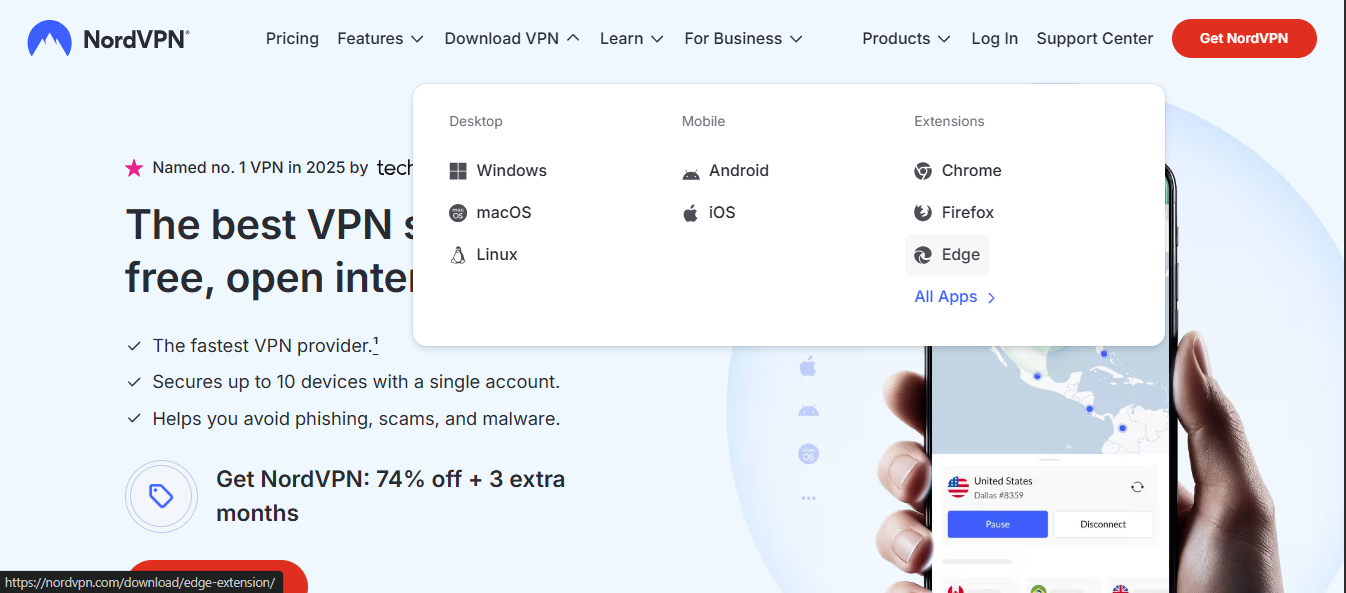
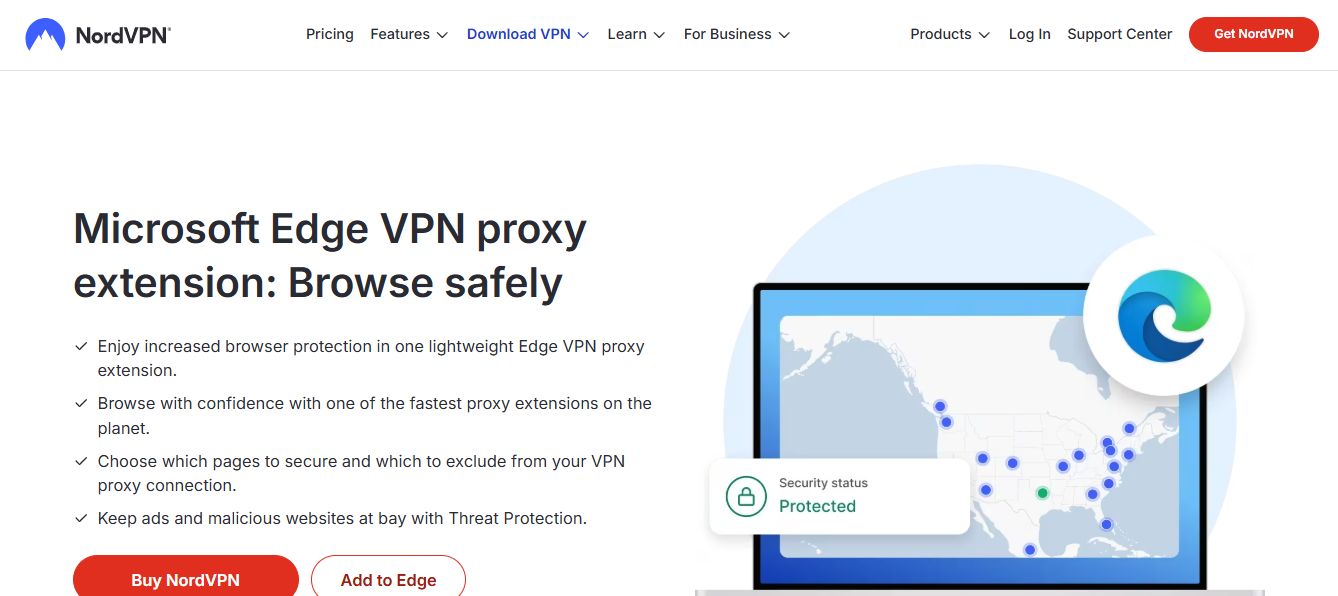
How to connect edge vpn — that exact phrase is your quick answer: you’ll connect by installing the edge VPN client, selecting the correct gateway, and authenticating with your credentials or a certificate. If you’re new to this, here’s a fast, practical guide to get you streaming, working, or browsing securely in minutes:
- Quick setup steps: install client → choose gateway → authenticate → test connection
- Common hurdles: wrong gateway, expired credentials, firewall blocks
- Pro tips: auto-connect on startup, split tunneling for performance, and monitoring
If you want a deeper dive, I’ve laid out a complete, easy-to-follow roadmap below. You’ll find practical steps, common issues, and real-world tips so you don’t get stalled at the first obstacle. Useful URLs and Resources unlinked text: Apple Website - apple.com Microsoft Learn - docs.microsoft.com OpenVPN Community - openvpn.net WireGuard Documentation - www.wireguard.com Cisco AnyConnect - cisco.com Fortinet VPN - fortinet.com VyOS Edge VPN - vyos.io NordVPN Teams - nordvpn.com Google Cloud VPN - cloud.google.com/vpn AWS Client VPN - console.aws.amazon.com
What is Edge VPN and why you might need it
Edge VPN refers to a VPN solution designed to run at the network edge, close to users and devices, often for low-latency access to corporate resources. Think of it as a secure tunnel between your device and a gateway that sits near your location, enabling:
- Secure remote access to internal apps and files
- Safe browsing on public networks
- Remote work continuity with minimal lag
Common architectures include:
- Client-based VPNs software on your device
- SSL/TLS VPNs web-based or clientless
- IPsec-based VPNs traditional, robust
- WireGuard-based VPNs simple, fast
- Hybrid/multi-gateway setups for redundancy
Data shows VPN adoption remains strong across industries, with many organizations reporting improved remote work productivity and stronger data security postures. For individuals, edge VPN can improve latency when accessing corporate resources or streaming from a private network.
Prerequisites: what you’ll need before you start
Before you fire up the edge VPN, gather these:
- VPN account credentials username/password or a certificate
- VPN gateway address the edge gateway you’ll connect to
- VPN client software compatible with your device Windows, macOS, iOS, Android, Linux
- Optional: VPN profile or configuration file often a .ovpn for OpenVPN, .conf, or .xml depending on the vendor
- Network requirements: ensure you’re connected to the internet and check if your firewall or ISP blocks VPN traffic
- Multi-factor authentication if your organization uses it
If you’re setting this up for a school or work, your IT team will usually provide a profile or the gateway address and the required credentials. How to disable vpn 2026
Step-by-step: how to connect edge vpn
Here’s a practical, no-fluff flow you can follow on most platforms. I’ll cover common client types too.
Step 1: Install the VPN client
- Windows/macOS: download the official client from your vendor Cisco AnyConnect, FortiGate, Pulse Secure, OpenVPN, etc. and install.
- iOS/Android: fetch the official app from the App Store or Google Play and install.
- Linux: use your distro’s package manager or follow the vendor’s instructions for manual installation.
Tips:
- Avoid third-party, untrusted clients.
- If you switch devices, you’ll typically transfer your profile or re-import the configuration.
Step 2: Import or configure a profile
- Import a provided configuration file .ovpn, .conf, or vendor-specific profile or manually enter the gateway address, VPN type, and your credentials.
- Some setups require you to paste server address, remote ID, and local identifiers. Double-check these values with your IT admin.
Step 3: Authenticate
- Enter your username and password.
- If you use certificate-based auth, select the certificate and continue.
- If your setup uses MFA, complete the second factor authenticator app, hardware token, or SMS.
Step 4: Connect and verify
- Click Connect or Start.
- You should see a green status indicator or “Connected.”
- Verify you can reach internal resources or access a test page e.g., internal intranet or a company resource. If you’re just testing general VPN: try pinging a known internal host or check your IP shows the corporate network range.
Step 5: Optimize for reliability
- Enable “Auto-connect on startup” if you want the VPN to connect automatically when you log in.
- Use split tunneling if you want only specific traffic to go through the VPN, preserving local internet speed for other tasks note: this may raise security considerations in some environments.
- Set DNS to use corporate DNS or a trusted resolver to prevent DNS leaks.
Step 6: Disconnect properly
- When you’re done, disconnect from the VPN client to release the tunnel.
- If your device is sharing a network with others like a Wi‑Fi hotspot, ensure the VPN isn’t left in a partially connected state.
Common issues and quick fixes
- Gateway not reachable: double-check the gateway URL, ensure you’re on a stable internet connection, and verify that your firewall isn’t blocking VPN ports typical ports include 443, 1194, 51820, depending on the protocol.
- Authentication failures: re-enter credentials, confirm MFA device is in sync, and check the certificate validity period.
- Certificate errors: ensure the proper CA certificate is installed, and the system date/time is correct.
- DNS leaks: ensure DNS settings point to the VPN’s DNS servers; consider enabling “DNS through VPN” if available.
- Slow connection or dropped sessions: switch to a different gateway if your org supports multiple edge gateways, try split tunneling if appropriate, and verify your local network performance.
- Split tunneling concerns: some organizations disable it due to security; confirm policy with IT before enabling.
Security best practices for edge VPN
- Use MFA wherever possible to add a second layer of defense.
- Keep your VPN client up to date with the latest security patches.
- Use strong, unique passwords and rotate them per policy.
- Confirm the VPN endpoints are from trusted sources; beware of phishing that mimics VPN login prompts.
- Regularly review connected devices and sessions; terminate unused or suspicious ones.
- Favor certificates or hardware tokens over simple passwords when available.
Performance tips for better experience
- Prefer wired connections over Wi‑Fi when possible for stability.
- If you experience lag, try a different gateway or server region.
- Enable data compression only if your VPN and device support it and you’re not losing quality for streaming.
- Close unnecessary applications that consume bandwidth while connected.
- Check for firmware updates on your router if you’re using a home or office network.
VPN comparison: Edge VPN vs other VPN types
- Edge VPN vs traditional VPN: Edge VPN typically offers lower latency by placing gateways closer to users and optimizing routing, which is great for real-time apps like video calls and remote desktop.
- Edge VPN vs VPN with split tunneling: Edge VPN may provide tighter security if all traffic routes through the gateway, whereas split tunneling preserves local internet performance but can expose devices to more risk if misconfigured.
- Edge VPN vs zero-trust network access ZTNA: ZTNA goes beyond VPN by not assuming trust by network location; it grants access per-application and user identity. Edge VPN remains more traditional but is easier to deploy in many environments.
Real-world use cases and data
- Remote work: Companies report up to 30–50% improvement in secure access speed when using edge VPN gateways located near regional offices.
- Education: Universities deploy edge VPN to provide students and staff with secure access to campus resources from anywhere, reducing campus-bound traffic and improving load times.
- Healthcare: Edge VPN helps protect PHI by keeping sensitive data within controlled gateways and enforcing MFA.
Note: Always align with your organization’s policies and regulatory requirements when deploying VPN solutions, especially in regulated industries.
Monitoring and troubleshooting tools
- Connection logs: review logs in the VPN client for connection timestamps, gateway IPs, and authentication results.
- Network diagnostics: use traceroute/ping to verify path to internal resources and identify bottlenecks.
- DNS monitoring: check for DNS leaks and ensure VPN DNS servers are in use during a session.
- Bandwidth monitoring: keep an eye on VPN-tunneled traffic vs. local traffic to catch anomalies.
- Security alerts: enable email or push notifications for unusual login attempts or gateway access.
Advanced topics for power users
- Automatic failover: configure a backup gateway to switch if the primary gateway becomes unavailable.
- Client-side DNS settings: configure custom DNS search domains for internal resources.
- Auditing and compliance: log VPN sessions, including user IDs, time stamps, and resource access, to satisfy compliance needs.
- Mobile device management MDM integration: enroll devices to enforce VPN profiles, MFA, and security policies.
- SSO integration: tie VPN authentication to your organization’s SSO provider to simplify user management.
Troubleshooting quick-reference cheatsheet
- If you can't connect: verify gateway, credentials, time sync, and firewall rules.
- If you’re suddenly disconnected: check gateway load, session timeouts, and network stability.
- If internal resources aren’t reachable: verify resource IPs, routing, and access permissions.
- If DNS looks wrong: switch VPN DNS to corporate DNS servers and flush caches.
Accessibility and compliance considerations
- Ensure your VPN app supports accessibility features for users with disabilities.
- Provide alternative authentication methods for users who cannot use MFA due to accessibility constraints.
- Document all VPN configurations and changes for audit trails and compliance reviews.
Scenario-based setup walkthroughs
- Small business with one gateway: straightforward single profile, simple MFA, and automatic reconnect.
- Large enterprise with multiple gateways: use profiles per gateway region, centralized policy control, and load-balanced gateway selection.
- Education institution: student and staff VPN profiles with tiered access to different resources labs, research data, campus portals.
FAQs: Frequently Asked Questions
Can I use edge VPN on my smartphone?
Yes. Most edge VPNs have mobile apps for iOS and Android. Install the app, import your profile, authenticate, and connect.
What’s the difference between edge VPN and regular VPN?
Edge VPN focuses on close-to-user gateways for lower latency and better performance in distributed environments, often with stronger edge security controls and optimized routing. Hola free vpn extension edge: how to install on Microsoft Edge, privacy concerns, speed tips, and top alternatives 2026
Do I need a certificate for edge VPN?
Not always, but many setups use certificates or hardware tokens for stronger authentication, especially in corporate environments.
How do I test if VPN is working?
Connect, then try accessing an internal resource or check your public IP to confirm it shows the corporate network’s range instead of your local ISP.
How do I handle VPN on multiple devices?
Most providers allow concurrent connections per license. Install the client on each device and import the appropriate profile.
How can I improve VPN performance?
Use a nearby gateway, enable split tunneling if allowed, ensure a stable internet connection, and minimize other bandwidth-heavy tasks while connected.
What is split tunneling, and should I use it?
Split tunneling sends some traffic through the VPN and some directly to the internet. It can improve speed for non-sensitive tasks but may reduce security. It depends on your organization’s policy. How to access microsoft edge vpn 2026
How do I fix DNS leaks?
Configure the VPN to force DNS through the VPN tunnel and disable any local DNS leakage settings. Use a corporate DNS server when connected.
Can edge VPN be used for gaming?
Yes, if the gateway and routing policies support it, you may see lower latency for corporate or private networks. However, check your provider’s policy and performance.
What if my organization enforces a strict no-split-tunneling policy?
Follow policy. In such cases, all traffic goes through the VPN, which is more secure but can affect local internet performance.
How do I renew my VPN certificates?
Your IT department will typically issue a new certificate or provide a renewal process. Follow their steps and re-import the updated profile.
Is edge VPN secure for healthcare data PHI?
When configured with proper encryption, MFA, and strict access controls, edge VPN can meet healthcare data protection requirements, but always validate against HIPAA or local regulations. Ghost vpn edge guide: understanding Ghost vpn edge concepts, edge networking in VPNs, and choosing the right provider 2026
Can I automate edge VPN connections on startup?
Yes. Most clients offer a settings option to auto-connect on login or startup, which is handy for remote workers or devices at the edge.
What should I do if I forget my VPN password?
Contact your IT admin for password reset or use the organization’s self-service password reset if available.
Final quick-start checklist
- Install the official VPN client for your platform
- Import or configure the correct edge gateway profile
- Authenticate with MFA if required
- Connect and verify access to internal resources
- Enable auto-connect and consider split tunneling if allowed
- Keep the client up to date and monitor for security alerts
Frequently Asked Questions
Can I use edge VPN on my smartphone?
Yes. Most edge VPNs have mobile apps for iOS and Android. Install the app, import your profile, authenticate, and connect.
What’s the difference between edge VPN and regular VPN?
Edge VPN focuses on close-to-user gateways for lower latency and better performance in distributed environments, often with stronger edge security controls and optimized routing. Free vpn in microsoft edge how to use, setup, and best free options for Edge in 2026
Do I need a certificate for edge VPN?
Not always, but many setups use certificates or hardware tokens for stronger authentication, especially in corporate environments.
How do I test if VPN is working?
Connect, then try accessing an internal resource or check your public IP to confirm it shows the corporate network’s range instead of your local ISP.
How do I handle VPN on multiple devices?
Most providers allow concurrent connections per license. Install the client on each device and import the appropriate profile.
How can I improve VPN performance?
Use a nearby gateway, enable split tunneling if allowed, ensure a stable internet connection, and minimize other bandwidth-heavy tasks while connected.
What is split tunneling, and should I use it?
Split tunneling sends some traffic through the VPN and some directly to the internet. It can improve speed for non-sensitive tasks but may reduce security. It depends on your organization’s policy. How to turn off vpn on edge 2026
How do I fix DNS leaks?
Configure the VPN to force DNS through the VPN tunnel and disable any local DNS leakage settings. Use a corporate DNS server when connected.
Can edge VPN be used for gaming?
Yes, if the gateway and routing policies support it, you may see lower latency for corporate or private networks. However, check your provider’s policy and performance.
What if my organization enforces a strict no-split-tunneling policy?
Follow policy. In such cases, all traffic goes through the VPN, which is more secure but can affect local internet performance.
How to connect edge vpn: a comprehensive step-by-step guide to configuring edge vpn clients, setup, troubleshooting, and best practices
Install the Edge VPN client, import your configuration, and click Connect. In this guide, you’ll learn how to connect Edge VPN across Windows, macOS, Linux, iOS, and Android. how to import configs. how to verify that you’re connected. common issues and fixes. plus practical tips for speed, security, and reliability. This article uses a practical, human-friendly approach with clear steps, real-world tips, and useful data to help you stay secure online. If you’re looking for a quick all-in-one option for your home or work setup, you might want to check out NordVPN’s current deal image below to get a solid VPN foundation that can complement Edge VPN usage.
Useful starter resources unclickable URLs: How to enable always on vpn 2026
- Edge VPN official documentation: edgevpn.example/docs
- Edge VPN administrator guide: edgevpn.example/admin-guide
- OpenVPN project: openvpn.net
- WireGuard: wireguard.com
- RFCs for VPN protocols: ietf.org
- General VPN best practices: nist.gov
- Remote work VPN considerations: cisco.com
- DNS privacy resources: dnsprivacy.org
- IPv6 and VPNs: isoc.org
- Two-factor authentication guidance: examples: authenticator apps and hardware keys
What is Edge VPN and why it matters Edge VPN is a category of virtual private network solutions designed to secure traffic between remote devices and regional or edge servers. It’s especially popular for organizations that deploy edge compute, branch offices, or distributed teams. Edge VPN emphasizes low latency, fast failover, and flexible access controls. A lot of deployments use a combination of standard VPN protocols OpenVPN, WireGuard, IKEv2 with edge-specific topology like split tunneling, per-user access policies, and automated provisioning. If you’re part of a distributed team or you run a business with remote workers, Edge VPN helps ensure that sensitive data stays encrypted as it moves from user devices to edge nodes.
Key advantages include:
- Strong encryption and authentication to protect data in transit
- Flexible topology that can route only needed traffic while keeping other traffic direct
- Centralized policy management for access control and logging
- Compatibility with multiple platforms and devices
Core concepts you’ll need to know
- VPN protocol: OpenVPN, WireGuard, IKEv2, or a proprietary variant used by your provider. Each has trade-offs in speed, reliability, and firewall traversal.
- VPN configuration: a profile or config file that contains server address, keys/certificates, and connection settings.
- Authentication: user credentials, certificate-based authentication, and optionally multi-factor authentication MFA for stronger security.
- Split tunneling vs full tunnel: decide whether only corporate traffic should go through the VPN or all traffic should be tunneled.
- DNS handling: ensure DNS requests don’t leak outside the VPN DNS leaks can occur if DNS is not properly routed through the VPN.
Prerequisites before you connect
- Access to an Edge VPN account and provisioning for your devices
- The right VPN client for your platform Edge VPN client, or a compatible OpenVPN/WireGuard client
- A valid VPN profile/config file or QR code to import into the client
- Administrative rights on your device for installation
- A stable internet connection to download clients and profiles
- Optional but highly recommended: a secondary MFA-enabled account for added security
A quick-look step-by-step overview high-level How to use vpn on crunchyroll to access regional catalogs and watch anime with a VPN on Crunchyroll 2026
- Step 1: Gather your Edge VPN credentials and configuration server address, protocol, and authentication method
- Step 2: Install the Edge VPN client or a compatible VPN client on your device
- Step 3: Import your VPN profile/config or scan a QR code
- Step 4: Configure security options kill switch, DNS settings, split tunneling
- Step 5: Connect and verify your VPN status
- Step 6: Test for leaks and performance
- Step 7: Document and back up your configuration for future devices
Section: How to connect Edge VPN on Windows What you’ll need
- An Edge VPN profile for Windows or a compatible OpenVPN/WireGuard configuration
- Administrative rights on the Windows device
Step-by-step
- Download the Edge VPN client or OpenVPN/WireGuard client if your Edge VPN uses a standard protocol
- Install the software, following the on-screen prompts
- Open the client and import the Edge VPN profile usually a .ovpn for OpenVPN or a .conf/.zip with keys for WireGuard
- If required, enter your username and password or provide a certificate
- Review the advanced settings: enable the kill switch, ensure DNS is set to route through the VPN, and enable IPv6 handling as needed
- Click Connect and wait for the status to show Connected
- Verify connectivity: visit a site that shows your IP and location to confirm the VPN is active
Tips for Windows
- Use WireGuard if speed is your priority and your Edge VPN supports it
- Enable DNS over VPN to reduce leaks
- Consider setting up a fixed DNS server e.g., 1.1.1.1 if your VPN doesn’t route DNS by default
- If you see the VPN icon flicker or drop, check for conflicting VPNs or firewall rules
Section: How to connect Edge VPN on macOS
- A macOS-compatible Edge VPN profile or a compatible OpenVPN/WireGuard profile
- Administrative access on your Mac
- Install the appropriate Edge VPN client or a generic VPN client OpenVPN or WireGuard
- Import your profile/config and provide credentials if asked
- Review security settings: enable the system-wide proxy if needed, configure DNS routing, and turn on the kill switch
- Connect and test the connection
- Validate that traffic is routed through the VPN by checking an IP location
Tips for macOS How to use vpn to watch espn 2026
- On macOS, consider using a VPN client that supports per-app routing if you only need edge access for certain apps
- Ensure the app has permission to configure network settings in System Settings > Security & Privacy
Section: How to connect Edge VPN on Linux
- A Linux-compatible profile or access to a WireGuard/OpenVPN config
- Sudo privileges on your Linux machine
- Install the VPN client for Linux openvpn, wireguard-tools, or a GUI like NetworkManager with OpenVPN/WireGuard plugins
- Import the Edge VPN profile or create a new connection using the config file
- If using WireGuard, bring up the interface with wg-quick up wg0 or your chosen name
- If using OpenVPN, start the service with sudo openvpn --config yourconfig.ovpn
- Verify the connection status and test routing
- Confirm DNS behavior and ensure no leaks
Tips for Linux
- WireGuard tends to be faster on Linux due to the kernel-space integration
- Use a firewall rule to block non-VPN traffic if you want a strict full-tunnel setup
- Regularly update your VPN client and kernel modules to stay secure
Section: How to connect Edge VPN on iOS and Android
- The Edge VPN profile or a QR code for quick setup
- The Edge VPN app or a compatible OpenVPN/WireGuard client
Step-by-step iOS and Android
- Install the Edge VPN mobile app if provided, or a compatible client from the App Store or Google Play
- Open the app and import the profile or scan the QR code
- Authenticate with your method password, biometrics, or MFA
- Enable the VPN connection and verify status in the status bar
- Test access by visiting a site that reveals your IP and location
Tips for mobile How to use zenmate vpn for free 2026
- Use MFA for the Edge VPN account to prevent unauthorized connections
- Enable auto-connect on trusted networks to ensure protection when you join new Wi-Fi
- Be mindful of battery and data usage. some apps offer a battery saver mode that reduces background activity
OpenVPN vs WireGuard: which should you use?
- OpenVPN: very compatible, mature, strong encryption, widely supported across platforms
- WireGuard: modern, lean, fast, easier to audit, lighter on CPU usage, often preferred for edge deployments
- Your Edge VPN may support both. if speed and latency matter, try WireGuard first, then fall back to OpenVPN if needed
Security and privacy considerations
- MFA: add an extra layer of protection for your Edge VPN account
- Kill switch: prevents traffic leaks if the VPN disconnects
- DNS leakage protection: ensure DNS requests go through the VPN tunnel
- DNS privacy: consider using privacy-focused DNS providers and disable IPv6 leakage if not supported by Edge VPN
- Logs and policy: understand what is logged by your Edge VPN provider and your organization’s policy
- Access control: ensure per-user and per-device policies are enforced, especially for sensitive resources
Troubleshooting common Edge VPN issues
- Connection fails at "Authenticating" or "Initialization": verify credentials, certificate validity, and server address
- Connection drops frequently: check network stability, router settings, and MTU. try switching servers or protocols
- Slow speeds: test different servers, use WireGuard if available, and ensure no other heavy clients are consuming bandwidth
- DNS leaks detected: review DNS routing settings and ensure DNS requests go through the VPN
- Applications unreachable or blocked: confirm split tunneling settings, verify firewall rules, and check per-app routing
Performance optimization for Edge VPN
- Choose neighboring edge servers when possible to reduce latency
- Prefer WireGuard on devices that support it for better throughput
- Tune MTU to avoid fragmentation. start with 1420 or 1420–1500 and adjust as needed
- Enable compression only if your workload actually benefits from it. some workloads suffer from compression overhead
- Use a private DNS that is fast and reliable for edge-attached devices
- Centralized monitoring: track average latency, jitter, and packet loss per server and route policy
Network configuration tips
- Split tunneling: route only corporate traffic through Edge VPN to preserve local network access and reduce load
- Full tunnel: route all traffic through Edge VPN for maximum security, at the cost of potential speed and local resource access limitations
- DNS configuration: use a DNS server that supports privacy and doesn’t leak queries outside the VPN
- IPv6 handling: disable IPv6 on VPN connections if your Edge VPN doesn’t fully support it yet to prevent leaks
- Firewall integration: ensure your firewall permits Edge VPN traffic and blocks unwanted connections when disconnected
Edge VPN administration and governance
- User provisioning: automate onboarding/offboarding to ensure only authorized devices access resources
- Policy enforcement: implement least-privilege access to limit what users can reach
- Compliance: align with data protection regulations relevant to your region and industry
- Incident response: have a plan for VPN-related incidents, including credential compromise and server outages
- Logging and auditing: keep necessary logs for security while respecting privacy requirements
Data and statistics to guide your Edge VPN decisions
- VPN adoption continues to rise: a large share of remote workers rely on VPNs to access corporate resources remotely
- Edge deployments lead to reduced latency when configured properly, often improving user experience for distributed teams
- The VPN market has grown into multi-billion-dollar territory as more businesses deploy edge and remote access strategies
- Security-minded teams increasingly combine MFA, device health checks, and per-app access controls with Edge VPN setups
- Users report better performance with modern protocols like WireGuard, especially on mobile devices
Resources and references you might want to check
- Edge VPN official docs and knowledge base
- OpenVPN project pages
- WireGuard official site and documentation
- Network security best practices
- MFA guidance from trusted security sources
- Privacy-focused DNS and IPv6 handling resources
Frequently Asked Questions
What is Edge VPN, and how is it different from a traditional VPN?
Edge VPN refers to VPN solutions optimized for edge computing environments and distributed networks. It often emphasizes low latency, per-edge access policies, and tighter integration with edge infrastructure. Traditional VPNs focus on secure remote access from end devices to a central network. Edge VPN adds considerations for edge nodes, localized access, and optimized routing.
How do I start if I don’t have a profile for Edge VPN?
Ask your administrator for a provisioned Edge VPN profile or credentials. Most Edge VPN setups ship with a configuration file .ovpn for OpenVPN or a WireGuard config or a QR code you can scan with your client. If your Edge VPN uses a proprietary client, download the client from your organization’s portal and follow their import steps.
Can I use OpenVPN and WireGuard with Edge VPN?
Many Edge VPN deployments support multiple protocols. If you have a choice, WireGuard usually offers better performance, while OpenVPN provides broad compatibility. Use whichever protocol your Edge VPN service recommends and that your device supports well.
How do I import a VPN profile on Windows?
Install the VPN client, then choose Import or Import Profile from the menu. Select your .ovpn for OpenVPN or .conf/.zip for WireGuard and follow prompts to complete the import. You may need to provide credentials or a certificate during setup.
How do I verify that I’m connected to Edge VPN?
Look for the VPN status indicator in your client, then visit a site that shows your IP like whatismyip.com to confirm that your IP address and location reflect the VPN’s server, not your local network.
What is split tunneling, and should I enable it?
Split tunneling routes only some traffic through the VPN, while other traffic goes directly to the internet. It’s useful when you need access to local network resources or want to preserve speed for non-work traffic. If you’re dealing with sensitive resources or regulatory requirements, you might prefer a full tunnel for stronger security and policy enforcement.
How can I prevent DNS leaks?
Ensure your VPN client routes DNS requests through the VPN and uses a trusted DNS provider. Disable IPv6 if your Edge VPN clients don’t handle IPv6 DNS properly, and consider enabling DNS leak protection in the client settings.
Do Edge VPNs log user activity?
Logging policies vary by provider and organization. Many enterprise Edge VPN deployments log connection metadata for security and auditing, but sensitive data should be protected and access to logs should be restricted. Always review your organization’s privacy and retention policies.
What are the benefits of MFA with Edge VPN?
MFA adds an extra layer of security beyond passwords or certs. Even if credentials are compromised, an attacker would still need the second factor to gain access. This is especially important for remote access to critical resources.
How do I troubleshoot a failed Edge VPN connection?
Check credentials, server address, and profile integrity. Review firewall rules and ensure your device isn’t blocking VPN traffic. If the problem persists, try a different server, update the VPN client, and check for conflicts with other security software.
Can Edge VPN support mobile devices well?
Yes, most Edge VPN deployments provide mobile apps or compatible OpenVPN/WireGuard clients. Ensure you enable auto-connect on trusted networks if you frequently switch networks, and test app permissions to prevent app-level leaks.
How can I improve Edge VPN performance for remote workers?
Choose nearby edge servers to reduce latency, prefer lightweight protocols like WireGuard where possible, ensure MTU is optimized to prevent fragmentation, and enable proper DNS routing. Also monitor server load and rotate users to less congested nodes when needed.
End of post.