How to access microsoft edge vpn 2026
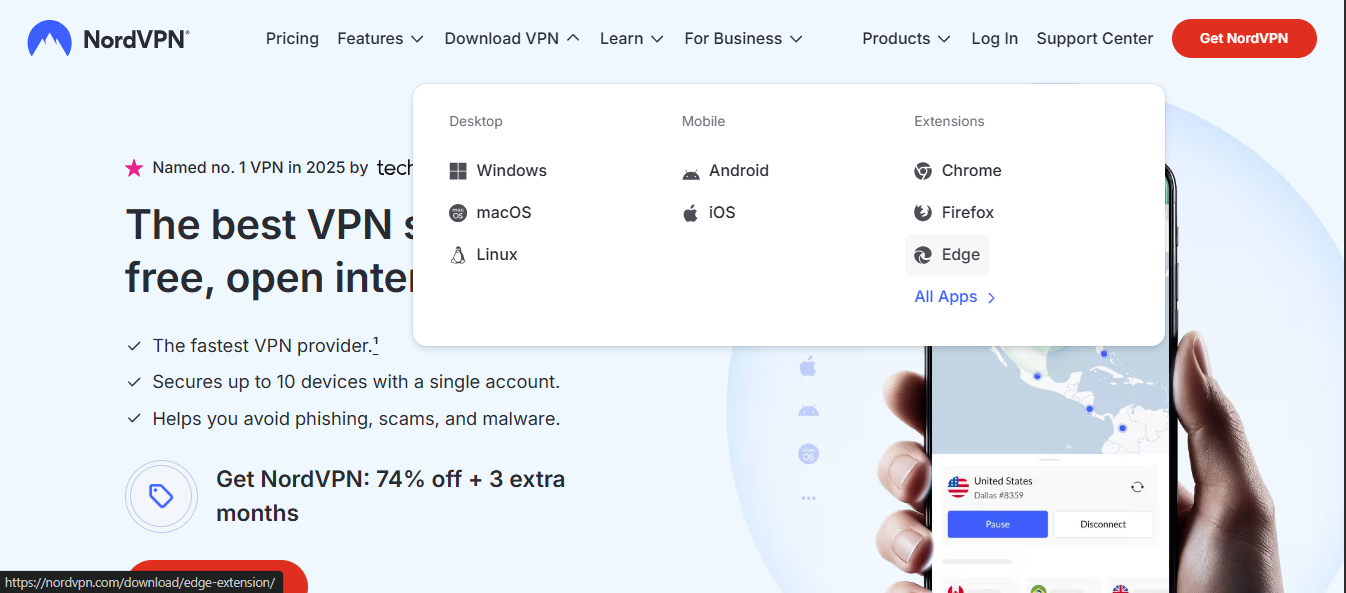
How to access Microsoft Edge VPN: you enable it in Edge’s settings, pick a location, and start browsing with a VPN-wide protection. Quick guide:
- Open Microsoft Edge
- Go to Settings > Privacy, search, and services
- Find Virtual Private Network VPN or similar security options
- Turn on the VPN feature and choose a country/location
- Verify your IP shows the chosen region
In this guide, you’ll find a step-by-step setup, practical tips, common problems and fixes, plus real-world considerations like performance, privacy, and compatibility. We’ll cover: quickstart steps, a comparison of built-in Edge VPN vs. third-party VPNs, how to test your connection, security best practices, and troubleshooting. For quick access, here are useful resources and references plain text, not clickable:
Useful URLs and Resources text only
- Microsoft Edge official support - support.microsoft.com
- Microsoft Edge config docs - docs.microsoft.com
- VPN basics overview - en.wikipedia.org/wiki/Virtual_private_network
- Cybersecurity basics for home networks - csoonline.com
- Privacy and tracking protection in Edge - support.microsoft.com
- UK ICO guidance on VPN safety - ico.org.uk
- Canadian Cyber Security Centre resources -ccc-c.org
- Data privacy in browsers - consumer.ftc.gov
Understanding Edge VPN: Built-in vs. Add-on Solutions
- Edge has built-in security features that can function like a VPN in some contexts, but the browser’s native VPN experience is not a full replacement for a dedicated VPN service. If you need encrypted traffic on all apps, a system-wide VPN is more appropriate; for browser-level privacy, Edge’s options can help complement that setup.
- Built-in protections typically focus on blocking trackers, enforcing HTTPS, and providing secure DNS. If you want to mask your IP across all apps, you’ll still want a reputable VPN service or a managed enterprise solution.
Quick comparison
- Built-in Edge protections: IP masking via browser proxies or extensions, tracker blocking, secure DNS, encrypted connections to sites with HTTPS.
- Dedicated VPN: System-wide encryption, all traffic routed through the VPN server, potential slower speeds depending on server load, better for streaming or region-locked content.
Step-by-Step: How to Access Microsoft Edge VPN
- Update Edge to the latest version
- Go to Settings > Help and feedback > About Microsoft Edge to check for updates.
- Ensure your browser is current to avoid missing VPN-related features.
- Open Edge Settings
- Click the three-dot menu in the upper-right corner and select Settings.
- Navigate to Privacy, search, and services
- This is where Edge exposes privacy-related features and any built-in privacy toggles.
- Locate VPN or Security features
- Depending on your version, Edge may label it as “VPN,” “Secure Network,” or similar. If you don’t see a VPN option, Edge may be relying on a companion extension or you may need to enable a related feature.
- Enable and configure
- Turn on the feature. If prompted, grant necessary permissions.
- Choose a location or region if you’re given options. Some builds provide recommended defaults or auto-select best performance regions.
- Verify your connection
- Open a new tab and visit a site like whatismyipaddress.com to confirm the IP shows the selected region.
- Check security indicators in the address bar and ensure your traffic appears to be routed through the chosen edge VPN server.
- Optional: Add Edge VPN as a quick action
- Pin the VPN toggle to the Edge toolbar for faster access on future sessions.
Troubleshooting Common Edge VPN Issues
- VPN icon not showing: Update Edge, restart the browser, or check Windows network settings for conflicting VPN apps.
- Connection drops or slow speeds: Try a different server location, disable bandwidth-heavy extensions, or reboot your router.
- Pages fail to load over VPN: Disable IPv6 temporarily, flush DNS cmd: ipconfig /flushdns, or adjust DNS settings to a reliable resolver like 1.1.1.1.
- Edge crashes when enabling VPN: Disable extensions one by one to locate conflicts, check for Windows updates, or reinstall Edge.
- Privacy warning or blocked content: Ensure Edge is allowed to route traffic through the VPN and verify any enterprise policies that might restrict VPN use.
Best Practices for Using Edge VPN Safely
- Use trusted VPN sources: If Edge’s built-in option isn’t sufficient or you need system-wide protection, pair Edge with a reputable third-party VPN service.
- Check your DNS: Use secure DNS over HTTPS/TLS if available; this reduces leakage and improves privacy.
- Manage permissions: Review what permissions you’re granting to Edge and any extensions that operate with VPN features.
- Test leaks: Occasionally test for IP and DNS leaks using reliable online tools to ensure your traffic isn’t leaking outside the VPN tunnel.
- Stay compliant: If you’re on a corporate machine, verify your company’s policy on VPN usage before enabling any feature.
Edge VPN in Different Scenarios
- On public Wi-Fi: A built-in Edge VPN can provide a quick layer of privacy while browsing, especially on hotspots with questionable security.
- At home: A local VPN may not be strictly necessary unless you’re avoiding geo-restrictions or testing different geolocations for research or content access.
- For developers and researchers: Simulate regional access by selecting different server locations, but pair with secure coding practices to avoid exposing sensitive data.
Use Cases and Real-World Scenarios
- Access region-locked content for testing localization in apps and websites.
- Protect sensitive browsing on shared devices in libraries or cyber cafes.
- Enhance privacy during online shopping from public networks by masking your IP.
Privacy, Security, and Legal Considerations
- Privacy: VPNs encrypt traffic, but you should still be mindful of the data you share with websites and online services.
- Security: Use strong authentication for accounts, keep Edge up to date, and avoid installing unknown extensions that could compromise your VPN stream.
- Legal: Some regions have strict VPN laws or restrictions. Always stay informed about local regulations and enterprise policies if you’re using a company device.
Performance and Reliability: What to Expect
- Speed impact: Enc encryption overhead and server distance can affect speeds. Choose servers closer to your location when possible.
- Reliability: Built-in Edge VPN may offer stable performance for basic privacy needs; third-party VPNs often provide more servers and features but may require more configuration.
- Battery usage: On laptops, VPN usage can impact battery life due to continuous encryption and routing.
Advanced Tips and Tricks
- Combine with privacy extensions: Use Edge’s tracking prevention in conjunction with the VPN for layered privacy protection.
- Schedule VPN usage: For regular tasks, set up a routine that connects during certain times of day to balance privacy and performance.
- Test across devices: If you use Edge on multiple devices, verify that VPN behavior is consistent to avoid inconsistent IP exposure.
Data and Statistics to Consider
- Global VPN market size: The VPN market has seen steady growth, with millions of users relying on VPNs for privacy, security, and access to geo-restricted content.
- Browser privacy adoption: A growing number of users are seeking built-in privacy features in browsers, including Edge, as part of a broader privacy-conscious shift.
- IP leaks and DNS leaks: Common issues users face with VPNs include IP and DNS leaks; regularly testing helps ensure proper protection.
Quick-Start Checklist
- Update Edge to latest version.
- Enable Edge VPN or equivalent feature in Settings.
- Select a preferred location.
- Verify IP and DNS protection with online checks.
- Enable additional privacy protections tracking prevention, secure DNS.
- Test on multiple sites to confirm consistent protection.
FAQ Section
How do I enable Edge VPN on Windows 11?
Open Edge, go to Settings > Privacy, search, and services, find the VPN feature, enable it, and choose a location. Verify with whatismyipaddress.com.
Is Edge VPN the same as a third-party VPN service?
Not always. Edge VPN is a browser-level privacy feature. For system-wide protection, a dedicated VPN app is typically needed.
Can I use Edge VPN on macOS or Linux?
Edge VPN availability depends on the browser version and OS support. Check Edge release notes for platform availability.
Will Edge VPN slow down my internet?
Possibly. Encryption and the distance to the server can impact speed. Choosing a nearby server helps.
How do I test for IP leaks with Edge VPN?
Visit whatismyipaddress.com or dnsleaktest.com to confirm the IP and DNS match the VPN server and that no leaks occur. Ghost vpn edge guide: understanding Ghost vpn edge concepts, edge networking in VPNs, and choosing the right provider 2026
Can I use Edge VPN with streaming services?
Some built-in VPN features may work for browsing, but many streaming services block VPN traffic. A reputable third-party VPN is often more reliable for streaming.
How do I switch VPN servers in Edge?
Return to Settings > Privacy, search, and services, select the VPN option, and pick a different location/server.
Is Edge VPN secure for sensitive work?
Edge VPN can enhance privacy for browser traffic, but for highly sensitive tasks, use a full-fledged VPN with strong encryption and enterprise-grade policies.
How do I disable Edge VPN?
Open Edge Settings > Privacy, search, and services, toggle off the VPN feature, or close the browser.
What should I do if Edge VPN won’t connect?
Restart Edge, check for updates, verify permissions, try a different location, and ensure no conflicting VPN software is running on your system. Free vpn in microsoft edge how to use, setup, and best free options for Edge in 2026
Introduction
There is no built-in Edge VPN. Here’s a practical, step-by-step guide to securing Edge traffic using a system VPN or Edge-compatible extensions, plus tips to maximize speed and privacy. In this guide you’ll find:
- Quick-start steps to get connected fast
- Two reliable pathways: system VPN vs. Edge extension
- How to choose a VPN that works well with Edge in Canada
- How to test your connection and verify your IP
- Common issues and practical fixes
- Realistic expectations about speed, privacy, and streaming
For a quick financial bundle, consider this deal from NordVPN:
Useful URLs and Resources text only:
- Microsoft Edge support - support.microsoft.com
- Windows VPN setup and troubleshooting - support.microsoft.com
- NordVPN - nordvpn.com
- ExpressVPN - expressvpn.com
- Surfshark VPN - surfshark.com
- What is my IP address? - whatismyipaddress.com
- Canadian privacy and cybersecurity resources - ocan.org or ic.gc.ca text notes
What is a VPN and why Edge users care
A VPN, or virtual private network, creates a secure tunnel between your device and the internet. It masks your IP address, encrypts data in transit, and helps bypass regional restrictions. For Edge users, the key takeaway is this: to route Edge traffic through a VPN, you either run a system-wide VPN on Windows or install a VPN extension that Edge can use directly. Edge itself doesn’t house a built-in VPN switch, so you’ll rely on one of these two routes.
Why this matters for Canadians and North American users:
- Privacy and data protection laws vary by country, so a VPN helps you control where your data travels.
- Streaming libraries often vary by region. a VPN can help you access content libraries that are accessible from other locations.
- Public Wi‑Fi security is stronger with a VPN because encryption protects your data on networks you don’t control.
Key stats to know for context:
- The global VPN market is consistently growing, with industry forecasts often citing a double-digit CAGR in the next several years as more people seek privacy and remote access.
- VPNs commonly advertise fast servers, no-logs policies, and robust encryption AES-256 to minimize performance impact.
- In Canada, many users adopt VPNs to protect privacy on mobile networks and while working remotely, especially given hybrid work trends.
Two reliable pathways to access Edge VPN
There are two practical ways to ensure Edge traffic is secured with a VPN: 1 use a Windows VPN client that protects all traffic on the device, or 2 install a VPN extension compatible with Edge to manage connections from the browser level.
Path 1: System VPN Windows VPN client
This method routes all your device’s traffic through the VPN, including Edge, other browsers, apps, and background services. It’s the simplest way to guarantee Edge traffic is always protected. Free vpn for microsoft edge troywell vpn 2026
Steps:
- Pick a reputable VPN provider with a Windows app recommended: NordVPN, ExpressVPN, Surfshark, or similar.
- Subscribe and download the Windows app from the provider’s site.
- Install and launch the app. Sign in with your account.
- Choose a server location e.g., Canada, the United States, or a country of your choice.
- Click Connect and wait for the VPN to establish a secure tunnel.
- Open Edge and verify your connection is protected by visiting whatismyipaddress.com or a similar site to confirm the displayed IP matches the VPN server.
Tips:
- If you’re streaming, pick a server optimized for streaming on your provider’s list.
- Use a server close to your location to minimize latency unless you’re bypassing geo-restrictions.
- Enable features like Kill Switch if available to block traffic if the VPN disconnects.
Path 2: Edge extensions browser-based VPN
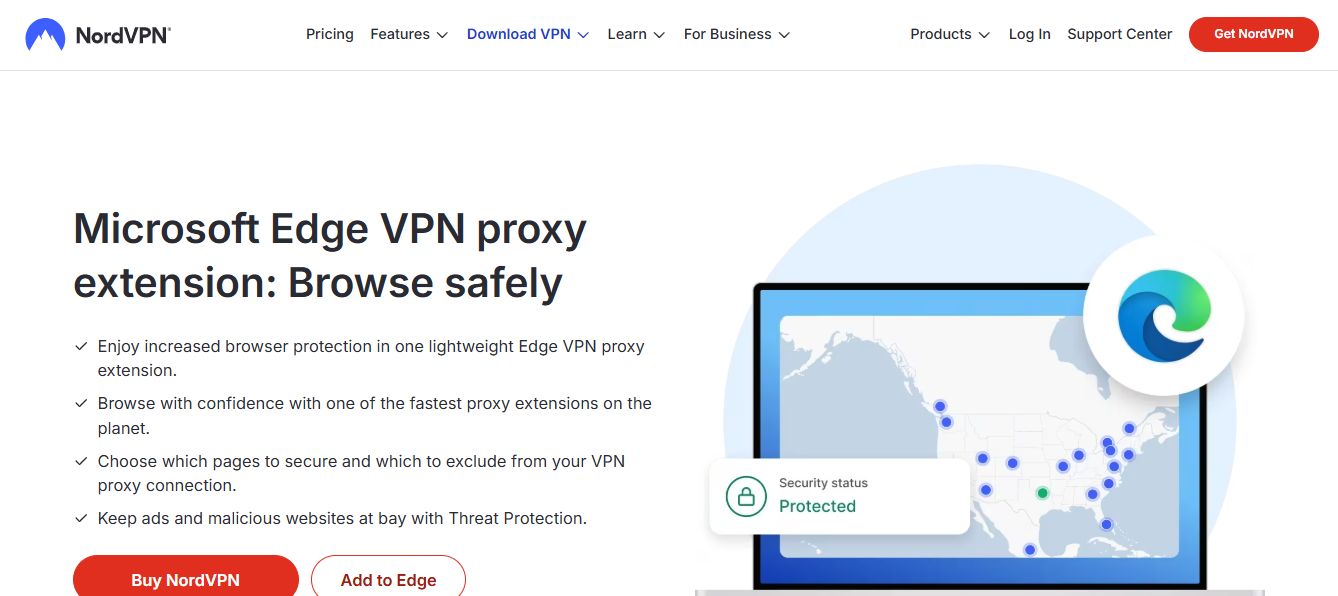
Edge supports Chromium-based extensions, so you can install a VPN extension from Edge Add-ons or the Chrome Web Store. This option is handy if you want browser-level control or don’t want to route all device traffic.
- Open Microsoft Edge and go to Edge Add-ons or Chrome Web Store.
- Search for a trusted VPN extension examples: NordVPN, ExpressVPN, Surfshark, or your go-to provider’s extension.
- Install the extension and pin it to your edge toolbar for quick access.
- Sign in to your VPN account within the extension.
- Choose a server location and connect.
- After connecting, test your Edge traffic by visiting whatismyipaddress.com to ensure your IP matches the extension’s server location.
Notes:
- Browser extensions protect only the traffic that runs through Edge, not other apps or other browsers.
- Performance with extensions depends on the extension’s design and the underlying VPN network. If you experience slowdowns, switch to a Windows app with a system-level VPN.
How to choose a VPN for Edge in Canada
Not all VPNs are created equal, especially when you’re using Edge on a Canadian network. Here are features to look for: Free vpn for edge download 2026
- Speed and reliability: Look for providers with fast, nearby servers Canada, United States, and Europe options are common.
- Strong encryption and a transparent no-logs policy: AES-256 encryption and a policy that doesn’t log user activity.
- Kill Switch: Keeps your traffic from leaking if the VPN disconnects.
- DNS leak protection: Prevents your true DNS from leaking outside the VPN tunnel.
- Server variety: A lot of servers, including P2P-optimized ones for file sharing if that’s your thing.
- Edge-extension availability: Some providers offer a secure Edge extension for browser-based control.
- Customer support and long-term reliability: 24/7 chat or responsive helpdesk.
- Price and value: Consider long-term plans, not just monthly prices. look for bundles or discounts.
Canada-specific considerations:
- Servers in Canada or nearby US East/West help with speed if you’re based in Canada.
- Respect for local privacy laws and compliance with data protection standards.
- Streaming and gaming: If you want to access US streaming libraries or game servers, choose servers that work consistently with those services.
Best-known providers for Edge users in Canada include mature names like NordVPN, ExpressVPN, and Surfshark. They offer Windows apps and browser extensions that play nicely with Edge.
Quick start guide: what to do today
- Decide if you want all device traffic protected system VPN or just Edge traffic Edge extension.
- Pick a provider with good performance in Canada and a reputable no-logs policy.
- Install the Windows VPN app and connect to a nearby server.
- If you prefer Edge-only protection, install the Edge extension, sign in, and connect.
- Test your setup with whatismyipaddress.com to confirm the VPN is active.
- Adjust settings like Kill Switch and DNS leak protection for extra safety.
- If you’re streaming or gaming, test latency and streaming stability to pick the best server.
Edge-specific tips and best practices
- Edge supports Chrome extensions, so you can add many VPN extensions that are popular on other browsers. If you already use a VPN on your phone or another device, check if the provider offers a cross-platform account. this can simplify management.
- For privacy-minded users, avoid free VPNs. They often come with data limits, slower speeds, and questionable logging practices. A paid service with a transparent policy is usually a better bet.
- If you’re on public Wi‑Fi, enable the VPN before you connect to the network, not after. That’s when you get the best protection.
- Some extensions offer per-site VPN controls. Use this to route only sensitive sites through the VPN while leaving other sites unafflicted to speed up browsing. This is especially helpful if you’re doing light browsing while streaming with a system VPN.
- If you run into DNS leaks, enable DNS leak protection in your VPN app or extension settings. This makes sure your DNS requests stay inside the encrypted tunnel.
Troubleshooting common issues
- Issue: VPN connection drops frequently
- Solution: Enable Kill Switch, test another server, or switch to a different protocol if your provider offers options like OpenVPN, WireGuard, etc.. Check for large background updates that may block VPNs and pause them temporarily.
- Issue: Slow speeds
- Solution: Connect to a nearby server, use a wired connection if possible, or switch from a busy peak-time server. Try TCP vs UDP protocols if available.
- Issue: Edge extension not connecting
- Solution: Sign out and back in, refresh the extension, or reinstall. Confirm Edge has granted the extension permission to run in the background.
- Issue: IP not changing
- Solution: Reconnect, test different server locations, or clear DNS cache cmd: ipconfig /flushdns and browser data.
- Issue: DNS leaks
- Solution: Ensure DNS leak protection is on. consider using the system VPN instead of the extension for full protection.
Privacy, security, and responsible use
- A reputable VPN provider negotiates with strong encryption standards and a strict no-logs policy. Read the privacy policy and terms of service to understand what data is collected and how long it’s stored.
- Avoid questionable free VPNs. they often monetize user data or present shady TOS. A paid provider with transparency and a solid track record is usually the better choice.
- Combining a VPN with good browser habits e.g., avoiding suspicious sites, enabling HTTPS-only on sites that support it gives you better overall privacy.
Edge vs other browsers for VPN use
- Edge is a solid choice if you’re in the Windows ecosystem and want strong compatibility with Chrome extensions. The browser’s speed and security features pair well with a reputable VPN.
- If you primarily need device-wide protection for work or family devices, a system VPN is often the simpler, more comprehensive option.
- For devices where you cannot install a VPN app like some corporate-managed machines, a trusted Edge extension can still offer meaningful protection for browser traffic only.
Performance expectations and optimization tips
- Expect a modest speed hit with VPN usage—typically 5-20% slower than a direct connection, depending on server distance and congestion.
- Use near-location servers when possible to reduce latency.
- If you’re streaming, choose servers optimized for streaming on your provider’s platform to avoid buffering.
- When gaming, prioritize low ping servers. some VPNs offer “speed boost” or “gaming” modes that can help.
- Turn on split tunneling when available if you want only certain apps or sites to go through the VPN, preserving speed for other activities.
Frequently Asked Questions
How do I access microsoft edge vpn
There is no built-in Edge VPN. you access a VPN by using a Windows VPN app or Edge-compatible extensions to secure Edge traffic.
Can Edge use a VPN extension from Chrome Web Store
Yes, Edge supports Chromium-based extensions, so most Chrome Web Store VPN extensions will work in Edge as long as you install them from the store you trust.
What is the difference between a system VPN and a browser VPN extension
A system VPN routes all traffic from your device through the VPN, while a browser extension protects only the traffic that flows through the browser Edge in this case. For complete coverage, use a system VPN. Free vpn for edge vpn proxy veepn reddit: how to choose, set up, and use safely with privacy on Reddit and edge networks 2026
Do I need a VPN if I’m using public Wi‑Fi
Yes. Public networks are more vulnerable. a VPN adds encryption and privacy, reducing the risk of eavesdropping and data interception.
Will a VPN affect streaming on Edge
Often yes, but it depends on the server. Some servers are optimized for streaming and can bypass geo-restrictions, while others may be slow or blocked by streaming services.
Is NordVPN a good option for Edge users in Canada
NordVPN is widely used and offers Windows apps and Edge extensions, plus a broad server network and a solid no-logs policy. It’s a good starting point for Edge users in Canada.
Can I use a free VPN with Edge
Free VPNs typically come with limits, slower speeds, and potential privacy concerns. For consistent privacy and performance, a reputable paid VPN is recommended.
How can I test if my VPN is actually protecting Edge traffic
Visit a site like whatismyipaddress.com to confirm your IP address and location reflect the VPN server, not your real location. Disable or enable the VPN to confirm the change. Hola free vpn extension edge: how to install on Microsoft Edge, privacy concerns, speed tips, and top alternatives 2026
Why is my Edge VPN connection slow at certain times
Server load, distance to the server, and network congestion are common culprits. Switch servers or try a different protocol if available.
Can I run a VPN with Windows 11/10 for Edge
Yes. Windows VPN apps integrate with Windows networking and affect all traffic including Edge. Extensions can be used as a browser-level solution, too.
Should I use kill switch and DNS leak protection
Yes. Enable Kill Switch to prevent leakage if the VPN drops, and DNS leak protection to ensure your DNS requests stay within the VPN tunnel.
How do I choose server locations for Edge usage
If privacy is the priority, pick a server in a country with strong privacy standards. If you want to access streaming libraries, choose servers that are known to work with those services and offer good speeds.
Are there limitations when using Edge extensions for VPNs
Extensions are convenient for browser traffic, but they won’t protect other apps on your device. For full protection, pair with a system VPN. How to disable vpn 2026
Quick recap: what you need to remember
- Edge doesn’t have a built-in VPN. you’ll use a system VPN or an Edge-compatible extension.
- For best protection, use a system VPN that encrypts all device traffic, including Edge.
- Edge extensions are a good, quick way to manage Edge traffic, especially if you’re mostly browsing.
- Choose a reputable provider with strong security features, fast servers in Canada and nearby regions, and a clear no-logs policy.
- Verify with IP-check sites and test streaming or gaming performance to find your best server.
- Protect your privacy with Kill Switch and DNS leak protection and stay mindful of the trade-offs between speed and security.
Ghost vpn google chrome