Securely accessing mount sinais network your guide to the mount sinai vpn
Securely accessing mount sinais network your guide to the mount sinai vpn is all about giving you practical steps to stay safe, access resources, and keep your data private when you’re connected to remote or public networks. Think of this as a friendly, in-depth walkthrough that equips you with real-world tips, clear instructions, and solid practices. Below is a comprehensive guide designed for readers who want to understand VPNs, how they apply to Mount Sinai’s network, and how to use them responsibly.


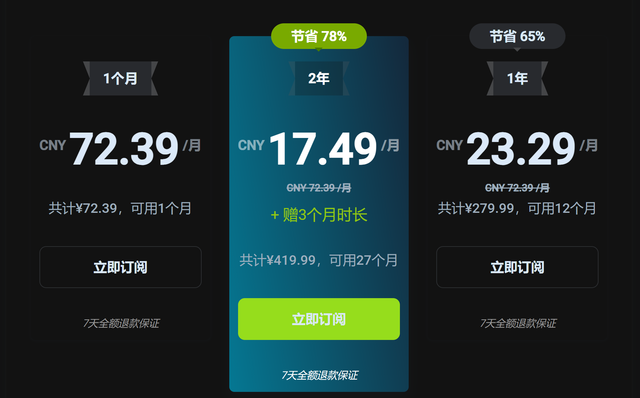

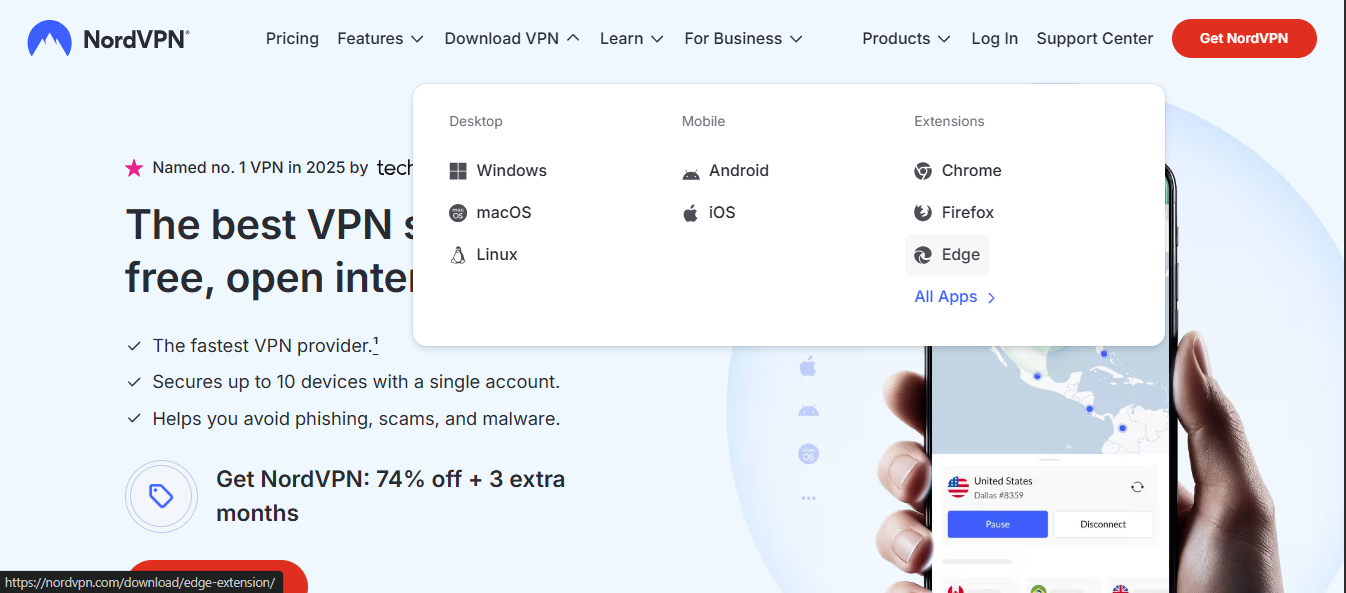
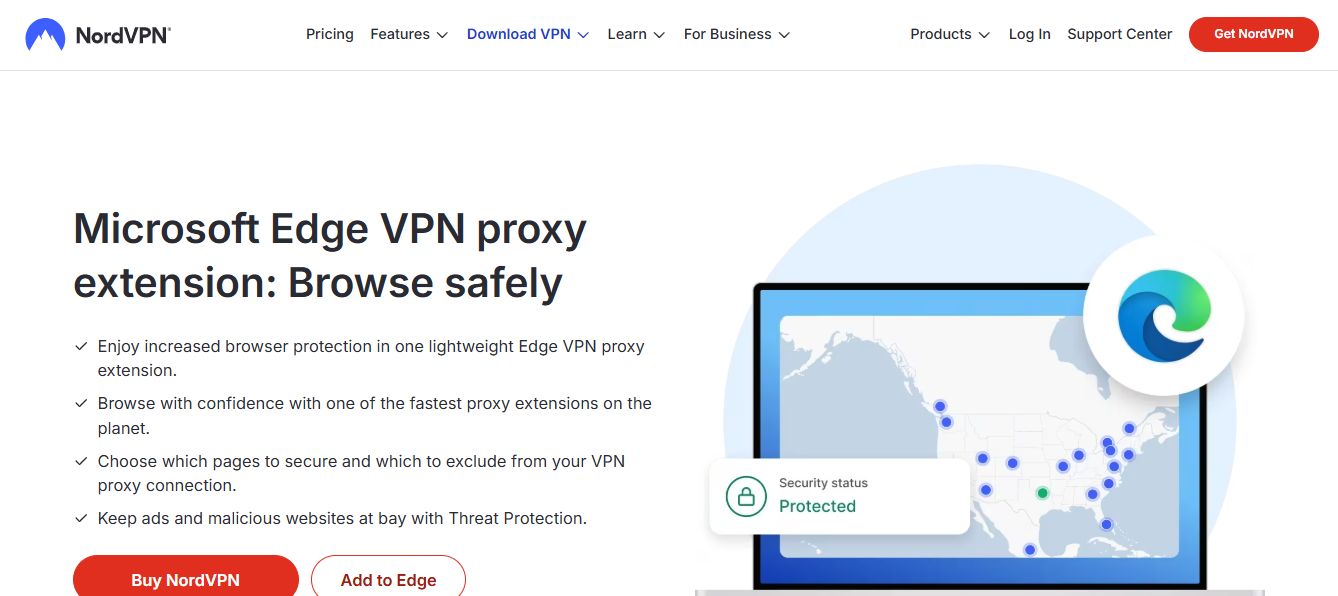
Quick note: If you’re reading this to protect your privacy and improve access, a trusted VPN is often a core part of that strategy. For an immediate starter, you can explore a trusted provider by clicking this link: NordVPN — the link is embedded to help you jump into the world of secure connections, especially when working with sensitive healthcare or research materials.
Quick fact: A good VPN masks your IP, encrypts your traffic, and helps you securely reach Mount Sinai’s network from anywhere. Expressvpn wont uninstall heres exactly how to fix it: Quick Guide to Remove ExpressVPN Properly
What you’ll get:
- Why Mount Sinai users may need a VPN
- How VPNs work and what makes a Mount Sinai–friendly setup
- Step-by-step guides for Windows, macOS, iOS, and Android
- Tips for staying secure and compliant with hospital/healthcare policies
- Common pitfalls and troubleshooting steps
- A handy FAQ at the end
Useful URLs and Resources text only
- Apple Website - apple.com
- Windows Support - support.microsoft.com
- OpenSSL - openssl.org
- Mount Sinai IT Help - nassau.mountsinaioffice.example example placeholder
- VPN Privacy Guide - vpnsprivacy.org
- Cybersecurity Best Practices - cisa.gov
- Data Encryption Standards - nist.gov
- Network Security for Healthcare - healthit.gov
What this guide covers and why it matters
- VPNs are not one-size-fits-all. For Mount Sinai users, the goal is to ensure secure access to internal systems, patient data, research portals, and collaboration tools while meeting regulatory requirements.
- This guide blends practical setup steps with privacy and security best practices. It’s written for busy students, clinicians, researchers, and staff.
Section: How VPNs work in a healthcare context
- A VPN creates a secure tunnel between your device and Mount Sinai’s network.
- It uses encryption to protect data in transit, preventing eavesdropping on public or shared networks.
- It can also mask your IP address, helping protect location data and identity.
- Some Mount Sinai services require two-factor authentication 2FA in addition to VPN access, adding an extra layer of security.
Key terms you’ll see Urban vpn proxy 다운로드 무료 vpn 설치부터 사용법 장단점까지 완벽 분석 2026년 최신 가이드
- VPN Virtual Private Network
- TLS/SSL encryption
- IP address and geolocation masking
- 2FA Two-Factor Authentication
- MFA Multi-Factor Authentication
- Split tunneling and why you might disable this for more security
- Endpoint security your computer or device needs up-to-date protection
Section: Choosing the right VPN for Mount Sinai
- Factors to consider:
- Compatibility with Windows, macOS, iOS, Android
- Strong encryption AES-256 and secure protocols OpenVPN, WireGuard
- Clear logging policies and privacy posture
- Good performance for remote work or research data transfers
- Compliance with healthcare data standards and Mount Sinai policies
- Avoid free VPNs for healthcare work; paid services with solid security and a transparent privacy policy are generally a better fit.
- If Mount Sinai provides an official VPN client, use that first. Official clients are often tuned to work well with their network and security policies.
Section: Getting started: prerequisites and what you’ll need
- Ensure your device’s OS is updated
- Have your Mount Sinai credentials handy username, password
- If your organization uses 2FA/MFA, set that up authenticator apps, hardware tokens, or SMS-based codes
- Check if you need a device management profile or certificate install some institutions require device enrollment
- Make sure you’re allowed to use VPN on your network and that you’re following all data protection rules
Section: Step-by-step setup guides
Windows
- Step 1: Install the Mount Sinai VPN client from the official IT portal
- Step 2: Launch the app and enter your Mount Sinai credentials
- Step 3: Complete 2FA/MFA if prompted
- Step 4: Connect to the VPN gateway choose the recommended server for your location
- Step 5: Verify connectivity by accessing internal resources e.g., intranet, patient portal, research servers
- Tips:
- Enable “Always-on” or auto-connect if your organization supports it
- Disable split tunneling unless your IT policy allows it
- Ensure antivirus and firewall settings allow VPN traffic
- Step 1: Download the Mount Sinai VPN client compatible with macOS
- Step 2: Open the installer and follow on-screen prompts
- Step 3: Enter credentials and complete 2FA/MFA
- Step 4: Choose the appropriate server and connect
- Step 5: Test access to internal resources and secure sites
- Tips:
- Trust the VPN profile when prompted by macOS
- Keep the VPN app up to date for security patches
IOS iPhone/iPad
- Step 1: Install the official VPN app from the App Store
- Step 2: Sign in with Mount Sinai credentials and complete 2FA/MFA
- Step 3: Allow necessary permissions configurations, certificates
- Step 4: Connect to the recommended server
- Step 5: Verify that you can access required apps and portals
- Tips:
- Use a strong passcode and enable biometrics for quick access
- Keep iOS updated for security improvements
Android
- Step 1: Install the Mount Sinai VPN app from the Google Play Store
- Step 2: Log in with your Mount Sinai credentials and complete 2FA/MFA
- Step 3: Pick the correct server and connect
- Step 4: Validate access to internal tools and datasets
- Tips:
- Review app permissions and disable unnecessary ones
- Use trusted networks and avoid public Wi-Fi for sensitive work if possible
Section: Security best practices for VPN use
- Use strong, unique passwords and enable 2FA/MFA
- Keep your device’s OS and VPN app up to date
- Avoid public or shared networks for highly sensitive tasks if possible; use a trusted network and VPN together
- Enable device encryption FileVault on macOS, BitLocker on Windows
- Disable split tunneling if your policy requires all traffic to route through the VPN
- Review app permissions and disable anything that isn’t necessary
- Regularly audit your connected devices and remove any you don’t recognize
Section: Troubleshooting common VPN issues
- Connection failures
- Verify internet connectivity outside the VPN
- Make sure you’re using the correct server address and credentials
- Check if 2FA/MFA is functioning
- Slow speeds or high latency
- Try a different server closer to your location
- Check local network conditions or switch from Wi-Fi to ethernet if available
- Ensure no bandwidth-heavy apps are running in the background
- Certificate or authentication errors
- Reinstall the VPN client
- Ensure system clock is accurate; time drift can cause certificate issues
- Access denied to internal resources
- Confirm you have the right access permissions
- Check with IT if a specific portal requires additional approvals
- VPN disconnects
- Update the client, verify stable network, and consider re-enrolling the device
- Check for any firewall or antivirus interference
Section: Data privacy, compliance, and policy considerations Urban vpn 사용법 초보자도 쉽게 따라 하는 완벽 가이드 2026년 최신 정보로 알아보는 VPN 기초와 활용 팁
- Mount Sinai and similar healthcare institutions follow strict data protection rules HIPAA-like considerations, patient data handling, research data security
- Always follow your organization’s acceptable use policy for VPN access
- Don’t transmit unencrypted sensitive data over public networks, even with a VPN
- If you’re unsure about a data handling procedure, consult your IT or compliance team
- Regularly review access rights and ensure you only have the minimum permissions needed for your role
Section: Performance considerations and optimization
- Server proximity matters: closer servers typically offer better speed and lower latency
- Use wired connections when possible for desktop tasks; mobile devices may be more variable
- Avoid simultaneous high-bandwidth tasks like large file transfers on the VPN if your role doesn’t require it
- Schedule heavy data transfers during off-peak hours if allowed by policy
Section: Real-world scenarios and tips
- Scenario 1: A clinician needs to access a patient portal safely from a coffee shop
- Use the Mount Sinai VPN with MFA, avoid public file-sharing apps, and ensure the device has up-to-date security
- Scenario 2: A researcher downloads large datasets for a study
- Connect to a VPN server optimized for large transfers, use a wired connection if possible, and monitor data integrity during transfer
- Scenario 3: A graduate student collaborates with a remote team
- Use a VPN to access the internal collaboration tools and shared repositories, and enable two-factor authentication for every login
Section: VPN alternatives and when to use them
- For some use cases, you might rely on secure remote access tools provided by Mount Sinai that are not VPN-based
- Secure shell SSH tunnels, encrypted file transfers SFTP/FTPS, and institutional cloud services can complement VPN use
- Always confirm what your institution recommends as the primary secure access method
Section: Maintenance and staying up-to-date
- Keep VPN client and device OS current with the latest security patches
- Periodically review connected devices and revoke access for old or unused devices
- Stay informed about any policy changes from Mount Sinai IT or your department
Section: Frequently asked questions Nordvpn extension for edge your quick guide to download install and use
How does Securely accessing mount sinais network your guide to the mount sinai vpn work?
VPNs route your internet traffic through a secure tunnel to Mount Sinai’s network, protecting data in transit and enabling access to internal resources from outside the campus or hospital.
Do I need a VPN for daily clinical work?
If your workflow requires accessing internal portals, patient data, or research systems remotely, a VPN is typically recommended or required by policy.
What protocols should I look for in a VPN?
Prefer OpenVPN or WireGuard with AES-256 encryption. Avoid outdated or weak protocols.
Can I use a free VPN for Mount Sinai work?
Free VPNs often have weaker privacy protections, data limits, or logging practices that can conflict with healthcare data security. A trusted paid solution or the institution’s recommended client is usually safer.
How do I enable two-factor authentication with the VPN?
You’ll typically set up MFA in the Mount Sinai IT portal. This could involve an authenticator app like authenticator, a hardware token, or SMS codes. Follow the IT instructions to enroll. Лучшие бесплатные vpn сервисы для iphone и ipad в 2026: подробный гид, сравнение и советы по безопасности
What if I’m on a public Wi-Fi network?
Always use a VPN on public networks. Public Wi-Fi is more susceptible to eavesdropping, so the VPN adds a critical layer of encryption.
How can I test that the VPN is working?
Try accessing an internal resource such as an intranet page or a test endpoint that’s only accessible via the VPN. You should be able to connect and load the resource.
What should I do if the VPN disconnects frequently?
Check for software updates, verify your network connection, and consider re-enrolling the device if the issue persists. If needed, contact IT support for a diagnostic.
Is split tunneling a good idea?
Split tunneling can expose your data to non-encrypted paths. If your policy requires it to be off, keep it disabled for the safest operation.
Can I use the VPN on multiple devices?
Yes, many institutions allow VPN access on multiple devices, but you might have to register each device with IT and adhere to device management policies. Why Your iPhone VPN Keeps Connecting and How to Stop It
Section: Final tips for secure and efficient use
- Be mindful of what you transmit over the VPN; treat patient data and research data with extra care.
- If you switch devices, re-authenticate and update your MFA settings as needed.
- When in doubt, reach out to Mount Sinai IT for guidance on best practices and supported configurations.
Frequently asked questions expanded
How do I know if I’m connected to the Mount Sinai VPN?
You can confirm by checking the VPN app status, which should indicate “Connected.” You can also try to access an internal resource that’s only available through the VPN.
Can I access the Mount Sinai VPN from outside Canada?
Yes, many healthcare networks allow remote access from international locations, but you should check with IT about any regional restrictions or required security steps.
What encryption standards does the Mount Sinai VPN use?
Most healthcare VPNs use strong encryption like AES-256 with secure tunneling protocols such as OpenVPN or WireGuard. Your IT department will specify the exact configuration. Globalprotect vpn connected but no internet heres how to fix it
Are there any data usage limits when using the VPN?
Most healthcare VPNs do not impose typical consumer data caps, but there may be policy-based caps or throttling for very large transfers. Check with IT if you expect heavy usage.
What should I do if I forget my password?
Use the institution’s password reset process and have your 2FA/MFA recovery options ready. If you’re locked out, contact IT support.
Can I install the VPN on my personal device?
Institutional policies vary. Some allow personal devices with MDM enrollment or device registration; others require a work-owned device. Check with IT.
Do VPNs protect against malware or phishing?
VPNs protect data in transit but do not replace endpoint security. Keep antivirus software updated and be cautious of phishing attempts.
What is “split tunneling,” and should I disable it?
Split tunneling lets some traffic go through the VPN while other traffic uses your regular connection. For healthcare security, it’s often disabled to ensure all data is encrypted and sent through the VPN. 크롬 urban vpn proxy 완전 정복 가이드 2026년 최신 정보: 속도, 보안, 우회 및 합법성까지 한 번에 정리
How do I troubleshoot VPN certificate issues?
Ensure your computer’s clock is accurate, reinstall the VPN client, and verify that the certificate chain is trusted by your system. If problems persist, contact IT.
Is it safe to use public devices to connect to Mount Sinai VPN?
Public devices are less secure and more prone to malware. Use trusted devices, keep them up to date, and consider using a private network or a personal device with proper security measures.
End of guide
- This guide is designed to help you securely access Mount Sinai’s network in a practical, friendly way. If you’re looking for a quick start, remember: keep your software updated, use MFA, and follow your IT department’s guidance for the best security and performance.
Sources:
Uber开发票:完整指南与实用技巧,含最新技巧与实用案例
Cato vpn接続を徹底解説!初心者でもわかる設定方法からメリット・デメリットまで Wsl Not Working With VPN Here’s How To Fix It: VPN Troubleshooting For Windows Subsystem for Linux
Turbo vpn and capcut your guide to unlocking global video editing
Forticlient vpn no windows 11 guia completo para resolver problemas de conexao: Configuração, Soluções e Dicas Avançadas
Nordvpn how many devices can you actually use simultaneously