Microsoft edge vpn extension
Microsoft edge vpn extension: a practical guide to installing, configuring, and optimizing Edge VPN extensions for privacy, security, and streaming
Microsoft edge vpn extension is a browser extension that adds VPN-like privacy and geo-unblocking features directly in Microsoft Edge. In this guide, you’ll learn what Edge VPN extensions are, how to pick a trustworthy one, how to install and configure it, and how to maximize privacy and performance. You’ll also get a practical comparison of popular options, step-by-step setup instructions, tips to avoid leaks, and a robust FAQ to answer common questions. If you’re looking for a quick, trusted option, check out NordVPN’s current deal: . For those who want a fast read and then deeper dives, here are some useful resources text only: Apple Website - apple.com, Microsoft Edge extensions documentation - docs.microsoft.com, Edge Add-ons store - microsoftedge.microsoft.com/addons, NordVPN - nordvpn.com, Privacy tools overview - en.wikipedia.org/wiki/Privacy, Canada privacy resources - www.priv.gc.ca.
Introduction: what you’ll learn in this guide
- What a Microsoft Edge VPN extension does and how it differs from a full VPN app
- How to install, configure, and verify an Edge VPN extension
- Practical safety tips, including how to avoid DNS leaks and WebRTC leaks
- Performance tips to minimize speed loss and latency
- How to choose between Edge extensions and desktop VPN apps depending on use case
- A clear FAQ covering common questions from everyday users
What is a Microsoft Edge VPN extension?
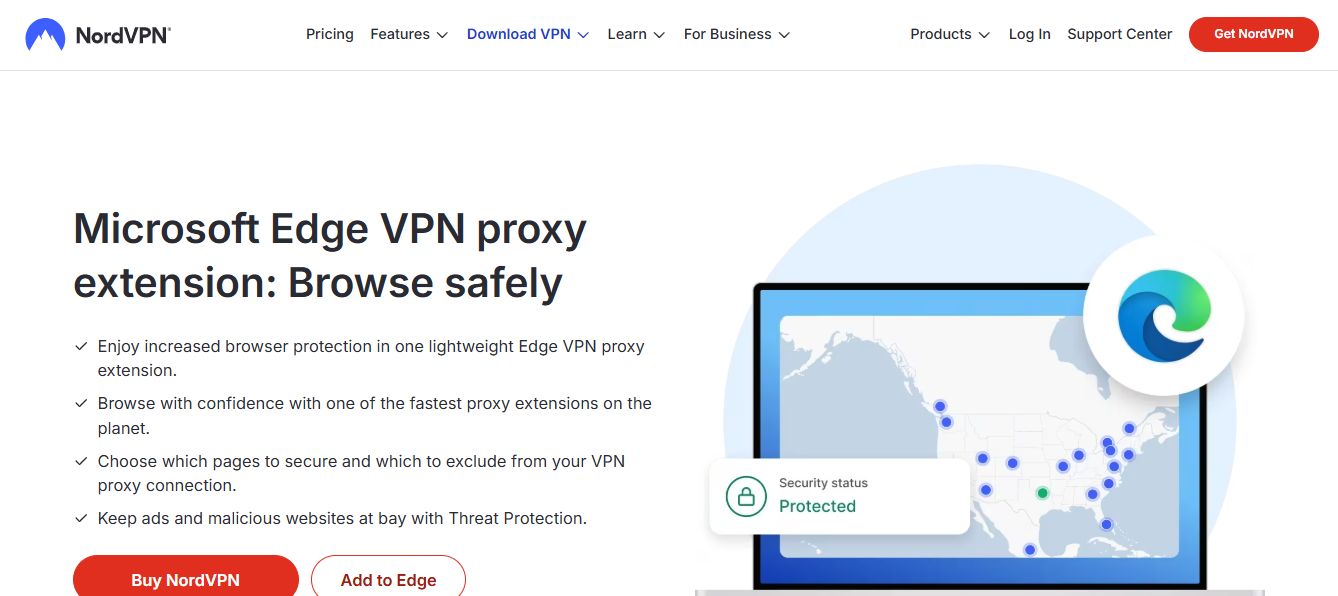
- A Microsoft Edge VPN extension is a browser-based tool that routes only your Edge browser traffic through a VPN server. It provides encryption, masks your IP, and can spoof your location for websites and services you visit in Edge.
- Key features you’ll see include: encryption usually 128-bit or 256-bit, IP masking, access to geolocated content, sometimes a kill switch, DNS leak protection, and occasionally data-tracking protections built into the provider’s extension.
- Important caveat: Edge extensions typically protect only browser traffic. If you use other apps like a desktop email client or a game, those won’t automatically route through the Edge extension. If you need system-wide protection, you’ll want a full VPN app in addition to or instead of a browser extension.
Edge vs standalone VPN apps: pros and cons
- Edge VPN extensions pros:
- Simple, quick setup directly in your browser
- Fine for casual browsing, streaming in the browser, and protecting default Edge traffic
- Typically lighter on system resources than a full VPN app
- Edge VPN extensions cons:
- They cover only Edge, not other apps or OS-wide traffic
- Some providers limit features in extensions e.g., smaller server lists, no kill switch
- Trust is important because you’re granting permissions to a browser extension
- VPN desktop apps pros:
- System-wide protection across all apps and services
- Larger feature sets: kill switch, split tunneling, multiple protocols, and broader server networks
- Easier to manage on devices with multiple users or multiple browsers
- VPN desktop apps cons:
- Slightly more complicated setup, especially on older hardware
- Potentially more noticeable impact on battery life and latency on mobile devices
Top Edge VPN extensions in 2025 what to look for
- Reputable providers typically offer Edge-compatible extensions, with:
- Clear no-logs policies and third-party audits
- A sizable network of servers prefer a mix of locations including North America, Europe, and Asia
- Strong encryption AES-256, modern protocols OpenVPN, WireGuard, or equivalents
- DNS leak protection, kill switch, and minimal data collection
- Regular updates and trusted permissions requested by the extension
- Common options you’ll encounter:
- NordVPN Edge extension popular for its broad server network and audited privacy practices
- ExpressVPN Edge-compatible extensions known for fast speeds and strong privacy
- Surfshark Edge extension affordable, with good privacy features
- CyberGhost Edge extension user-friendly, with streaming-focused servers
- When evaluating, pay attention to:
- Server locations near you to minimize latency
- Whether the extension enforces a kill switch or relies on the desktop app’s protection
- Any data collection or tracking practices in the extension’s privacy policy
- The currency of the price, renewal terms, and refund policies
How to install and configure a Microsoft Edge VPN extension Step-by-step guide:
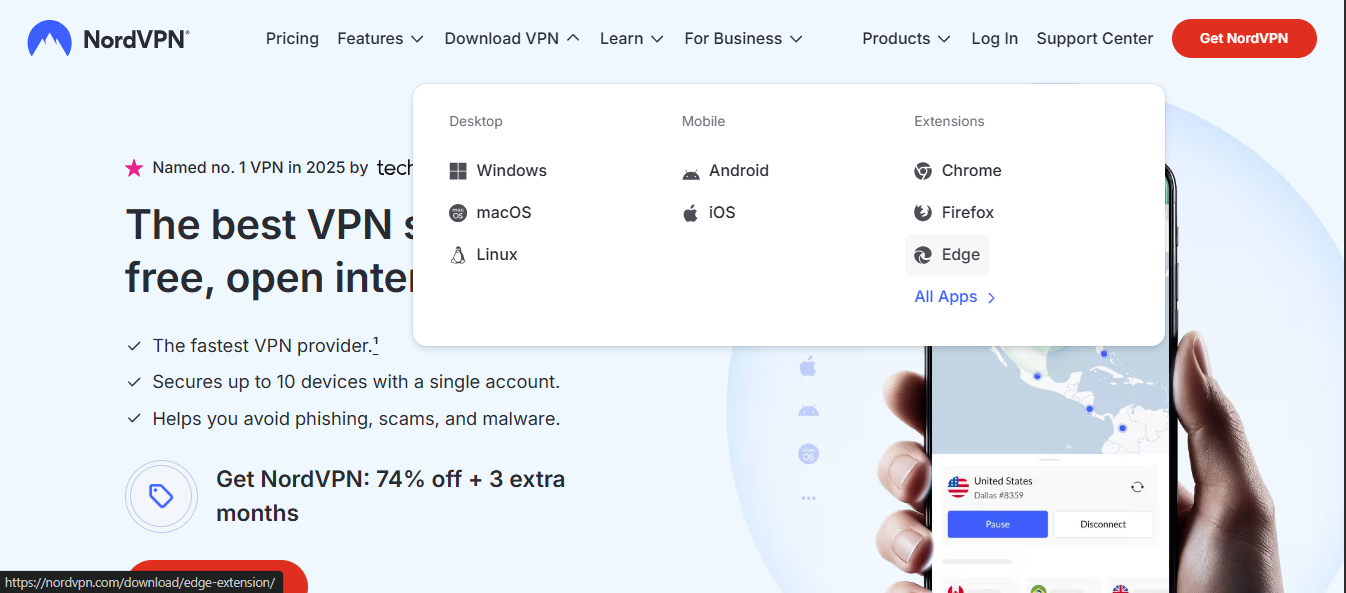
- Open Microsoft Edge and go to the Edge Add-ons store edge://extensions/ or search for “Edge Add-ons” in the menu.
- Search for the VPN extension you want e.g., NordVPN, ExpressVPN, Surfshark, CyberGhost.
- Click Install or Add to Edge. Edge will prompt you to add the extension and may show permissions it requires.
- After installation, click the extension icon in the Edge toolbar to open the sign-in screen.
- Sign in with your VPN account credentials. If you don’t have an account, you’ll need to subscribe on the provider’s site before continuing.
- Choose a server location. For the best speed, pick a server physically closest to you, or a location that unlocks the content you want.
- Review extension-specific settings:
- Enable DNS leak protection if available
- Turn on the kill switch if offered for the extension
- Disable WebRTC leaks in the extension or browser settings if the option exists
- Test your setup:
- Visit a site like ipinfo.io or whatismyipaddress.com to verify your IP has changed
- Check that the DNS servers used by your browser reflect the VPN provider
- If you encounter issues, try these quick fixes:
- Sign out and back in to the extension
- Change to a different server location
- Restart Edge or even your computer
- Check for application updates or extension updates
- Optional: configure per-site blocking or split tunneling if your provider supports it. This lets you decide which sites go through the VPN and which stay on your regular connection.
Edge security considerations: staying private, not just connected
- DNS leaks: When DNS requests escape the VPN tunnel, your real IP can leak via DNS lookups. Use DNS leak protection if your extension provides it, and consider using DNS servers supplied by your VPN vendor.
- WebRTC leaks: WebRTC can reveal your real IP address even when a VPN is on. Some extensions offer built-in WebRTC privacy controls, and you can disable WebRTC in Edge settings or via extensions that block it.
- Permissions: VPN extensions ask for permissions to read and change data on websites you visit. Only install extensions from reputable vendors and review what permissions they request.
- Privacy policies: No-logs is a key claim to look for, but you should also check what data the extension may collect, how it uses it, and whether third-party advertisers are involved.
- Updates and audits: Regular updates, independent audits, and transparent change logs strongly indicate a trustworthy extension.
Performance and speed tips
- Server proximity matters: The closer the server, the lower your latency. If you’re gaming or videoconferencing, choose a nearby location.
- Protocol and server choice: Some extensions allow you to switch protocols e.g., WireGuard vs OpenVPN. WireGuard tends to be faster with modern networks.
- Use a wired connection when possible: Reduces packet loss and improves stability versus wireless in crowded environments.
- Limit browser extensions: Too many extensions can slow down browsing. disable or remove extensions you don’t use.
- Turn off unnecessary features: If you don’t need extra privacy features, turning them off can improve speed.
- Separate tasks by tunnel: If your provider supports split tunneling, send only media-heavy sites through VPN while leaving light browsing outside.
Edge extension vs streaming and gaming
- Streaming: VPN extensions can unblock streaming services in many cases, but some providers detect VPN traffic and block it. If streaming is a priority, pick a provider known for reliable unblocking and servers optimized for streaming.
- Gaming: VPNs can add latency. for best performance, connect to a server close to the game’s servers. Some gamers use VPNs to reduce throttling or access regional content, but expect some ping increase.
Privacy policies and data handling
- Look for a clear, public policy describing:
- Whether user data is logged and for how long
- What data is collected by the Edge extension
- Whether data is sold to third parties
- Whether there are third-party audits or independent verifications
- Prefer vendors with transparent privacy practices and meaningful no-logs claims. Free or freemium Edge extensions may monetize via data sales or ads, so exercise caution.
Pricing and plans for Edge extensions
- Edge extensions often come as part of a broader VPN plan that also includes a desktop app. You’ll usually find:
- Monthly, yearly, and sometimes multi-year options
- Discounts for longer-term commitments
- Money-back guarantees or trial periods
- If you only need browser protection, verify whether the extension by itself is offered as a standalone product without requiring a full VPN subscription.
Common pitfalls and how to avoid them
- Misinterpreting “VPN extension” as system-wide protection: Remember, most extensions only protect Edge traffic. For full device protection, pair with a desktop VPN app.
- Installing shady extensions: Stick to well-known, audited providers. If a vendor’s site looks questionable or the extension asks for excessive permissions, pass.
- Ignoring DNS and WebRTC protections: Without these protections, you’re not fully private even when connected.
- Relying on free options: Free extensions often monetize via data collection or ads. If privacy is important, opt for a reputable paid service with a money-back guarantee.
- Assuming faster is always better: A server close by can help, but some servers are congested. try a few to see what gives you the best balance of speed and stability.
Takeaways: choosing the right Edge extension for you
- If you want browser-only protection with minimal setup, a reputable Edge VPN extension can be perfect—especially for everyday browsing and occasional streaming.
- If you need system-wide protection across all apps, or you use multiple devices, you’ll likely want a full VPN app in addition to—or instead of—a browser extension.
- Prioritize a provider with strong privacy protections no-logs, audits, solid encryption, a clear server map, and reliable performance.
- Always test for DNS and WebRTC leaks after installing, and verify your real IP isn’t exposed by accident.
Useful data-driven notes
- The global VPN market remains a multi-billion-dollar industry with steady growth driven by privacy concerns, remote work, and streaming needs.
- VPN extensions generally add a small amount of latency often 5-60 ms in local tests for nearby servers, but the impact can be more noticeable on distant locations or congested servers.
- In practice, you’ll get the best results by using a reputable provider’s Edge extension with servers near you and enabling essential protections like DNS leak protection and a kill switch.
FAQs
Frequently Asked Questions
What is a Microsoft Edge VPN extension?
A Microsoft Edge VPN extension is a browser-based tool that routes your Edge browser traffic through a VPN server, providing encryption and an IP address change for the sites you visit in Edge.
Do VPN extensions protect all my internet traffic?
No. VPN extensions typically protect only traffic that goes through Edge. Other apps on your device won’t be covered unless you’re using a full VPN application for system-wide protection.
Can I use a VPN extension for streaming in Edge?
Yes, many VPN extensions offer servers optimized for streaming and can unblock popular services. However, streaming performance can vary by provider, server load, and the service you’re trying to access.
Are Edge VPN extensions safe to use?
Safety depends on the provider. Use extensions from reputable, audited vendors with clear privacy policies and no-logs commitments. Check the permissions requested by the extension before installing.
Will a VPN extension slow down my connection?
It can. Expect some slowdown due to encryption and routing through a VPN server. Latency depends on server distance, network congestion, and your baseline connection speed. Edge browser free download for pc: how to download, install, and secure your browsing with a VPN
Are there free Edge VPN extensions?
Free options exist but can come with privacy risks, limited server networks, and ads. For privacy and reliability, a paid, reputable provider is usually a better choice.
What is DNS leak protection and do I need it?
DNS leak protection ensures your DNS requests go through the VPN tunnel rather than leaking to your ISP’s DNS servers. It’s a good feature to enable if your provider offers it.
What’s a WebRTC leak, and how can I prevent it?
WebRTC leaks can reveal your real IP address even when a VPN is active. Disable WebRTC in Edge or use extension settings that block or prevent WebRTC leaks.
Can I use a VPN extension on mobile Edge?
Edge extension support on mobile varies by platform and Edge version. Some extensions work, but not all features may be available. Check the mobile Edge store for compatibility.
Is Edge’s built-in tracking protection enough?
Edge’s tracking protection helps with privacy, but a VPN extension adds encryption and IP masking. For comprehensive privacy, combine Edge protection with a reputable VPN extension or app. Microsoft edge vpn reddit
How do I verify my Edge VPN extension is working?
Check your IP address on ipinfo.io or whatismyipaddress.com to confirm it shows the VPN server location. Verify DNS results also reflect the VPN’s DNS servers and test for potential leaks.
Will a VPN extension affect gaming latency?
It can. VPNs add some latency due to the extra routing and encryption. If gaming performance matters, choose a nearby server and test different locations to find the best balance.
How do I troubleshoot a non-working Edge VPN extension?
Sign out and back in, try a different server, restart Edge, ensure you’re on the latest extension and browser version, and verify your subscription status with the provider.
Can I use a VPN extension with multiple Edge profiles?
Yes, you can use Edge VPN extensions across profiles, but some providers require a separate login or subscription for each profile. Check your provider’s guidance for multi-profile use.
What should I consider when choosing an Edge extension for streaming?
Look for servers optimized for streaming, reliable unblocking of major services, minimal buffering, and a documented policy about traffic management or throttling. Edge update virus: detect, remove, prevent Microsoft Edge update malware scams and phishing attempts in 2025
Do I need both an Edge extension and a desktop VPN app?
Not always. If you only need browser-level protection, the Edge extension may be enough. If you want system-wide protection or use other devices, you’ll want a full VPN app as well.
How often should I update my Edge VPN extension?
Keep it updated whenever the vendor releases updates. Regular updates improve security, fix bugs, and enhance compatibility with Edge updates.
Can I run more than one VPN extension in Edge at the same time?
Most users should not run multiple VPN extensions simultaneously, as this can cause conflicts or double-tunnel behavior. Pick one trusted extension per Edge profile and disable others.
Take the next step
- If you’re new to VPNs or Edge extensions, start with a reputable provider’s Edge extension to get a feel for how it impacts browsing speed and content access.
- For broader protection or multiple devices, consider pairing your Edge extension with a full VPN app from a trusted vendor.
- Always be mindful of privacy policies, the permissions the extension requests, and whether your chosen option offers independent auditing or transparency reports.
Useful URLs and Resources text only Edge vpn mod premium
- Microsoft Edge extensions documentation - docs.microsoft.com/en-us/microsoft-edge/extensions-chromium
- Edge Add-ons store - microsoftedge.microsoft.com/addons
- NordVPN official site - nordvpn.com
- Privacy policy overview - en.wikipedia.org/wiki/Privacy
- Canada privacy resources - www.priv.gc.ca
- VPN comparison guides - www.techradar.com/vpn/best-vpn
- Streaming VPN use cases - www.netflix.com/help/article/.... example
- DNS leak testing resources - www.dnsleaktest.com
- WebRTC privacy guides - www.privacyinternational.org/blog/what-is-webrtc
- Security best practices for browsers - us-cert.gov
End of article
Is uk vpn safe for privacy, security, streaming, and compliance: a comprehensive UK VPN safety guide for 2025