Free vpn microsoft edge extension for Edge and beyond: best free VPNs, how to install, safety tips, and a full comparison
Yes, a free VPN Microsoft Edge extension exists. In this guide, you’ll get a practical, step-by-step overview of what Edge VPN extensions can and can’t do, which free options are worth considering in Canada, how to install them in Edge, and how to stay safe while using free tools online. This is the kind of practical, down-to-earth walk-through you’d send to a friend who’s anxious about privacy but doesn’t want to pay for a premium service. We’ll cover what to expect in performance, privacy, and reliability, plus real-life tips you can use today.
Quick intro you can act on now:
- What a Free VPN Edge extension is and what it isn’t
- How to install a Free VPN Edge extension in Microsoft Edge step-by-step
- Safety, privacy, and speed trade-offs with free Edge extensions
- A quick look at popular free Edge VPN options and when to upgrade
- Quick troubleshooting and best practices for Canada-based users
- A practical FAQ with 10+ common questions you’ll likely have
If you’re evaluating a premium upgrade after trying a free edge extension, NordVPN currently runs a deal you’ll want to consider: NordVPN 77% OFF + 3 Months Free image link here for quick access. NordVPN is included as an option for comparison and as a potential upgrade path if you decide the free option isn’t enough for you. NordVPN 77% OFF + 3 Months Free
Useful resources and references un-clickable text:
- NordVPN official site - nordvpn.com
- Microsoft Edge Add-ons store - microsoftedge.microsoft.com/addons
- Windscribe official site - windscribe.com
- TunnelBear official site - tunnelbear.com
- Hotspot Shield official site - hotspotshield.com
- ZenMate official site - zenmate.com
- What is a VPN? - en.wikipedia.org/wiki/Virtual_private_network
- Canada privacy basics - priv.gc.ca
- VPN security basics - cyber.gc.ca
- Privacy-focused reading - en.wikipedia.org/wiki/Privacy
Body
What a Free VPN edge extension is and what it isn’t
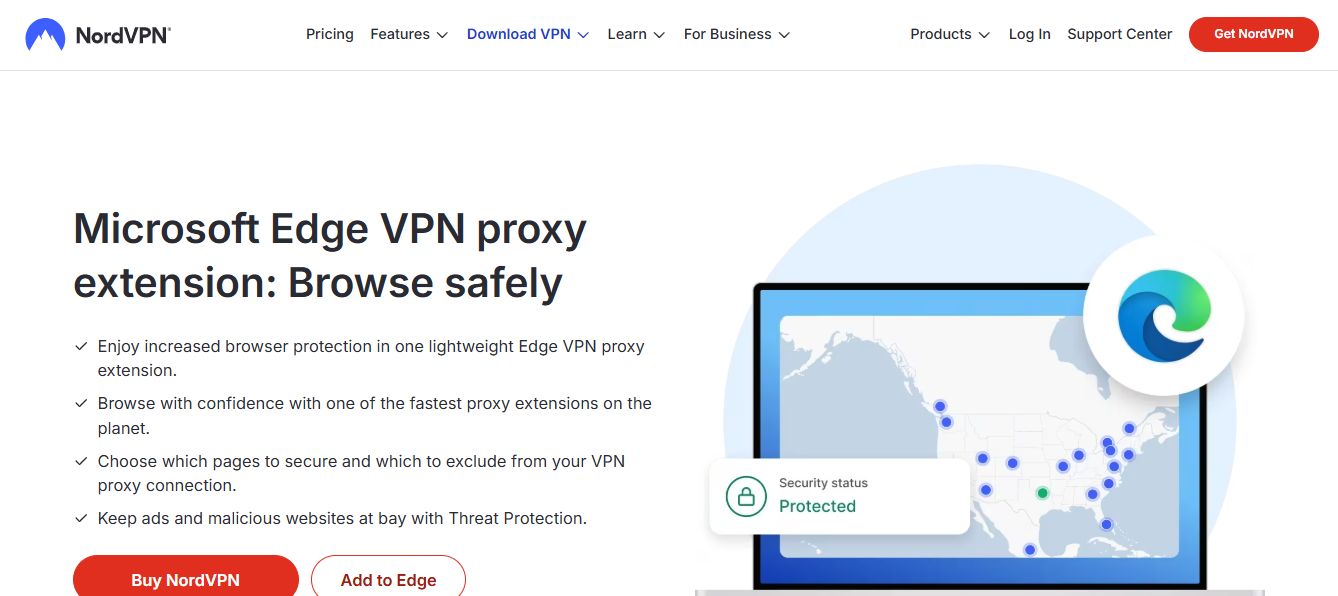
A Free VPN edge extension is a browser addon that sits inside Microsoft Edge and routes only your browser traffic through a VPN-like proxy. It’s convenient because you don’t have to install a full VPN app on your device, and you can toggle protection on or off with one click directly in Edge. But there are important differences to understand:
- Scope of protection: Edge extensions usually protect browser traffic, not all apps on your device. If you’re gaming, torrenting, or using email apps outside the browser, those activities may not be protected unless you use a full VPN app.
- Encryption and tunneling: Some extensions use a browser-level proxy that may not encrypt all traffic the same way a traditional VPN app does. In practice, you’ll often see encryption similar to what a standard browser uses, but the exact level can vary by provider.
- Data limits and speed: Free plans typically impose data caps or throttling. You’ll see slower speeds and shorter data windows compared to paid plans.
- Privacy and logging: Free extensions frequently monetize by collecting data or injecting ads. Reading the privacy policy is essential before trusting any free extension.
- Server locations: With free edge extensions, the number of usable server locations is usually limited, sometimes to a couple of regions. Paid plans unlock more locations and better performance.
Understanding these limits helps you decide if a free Edge extension covers your daily needs like quick browsing on public Wi‑Fi or if you should skip straight to a paid option for streaming, work, or sensitive tasks.
How Edge extensions differ from full VPN apps
- Edge extensions are lightweight and fast to install, with a very small footprint.
- They provide a browser-level proxy, not a system-wide VPN tunnel. This means other apps and OS-level connections may still be unprotected.
- Full VPN apps encrypt all traffic on your device, offer features like a robust kill switch, automatic startup, and dedicated servers with broad geographic coverage.
- If you’re on Windows or Mac and you want consistent protection across browsers and apps, a full VPN app is generally the safer bet. If you mainly want to bypass regional restrictions for browser-based activity, a solid Edge extension can be enough as a first step.
Top free VPN Edge extensions you should know about in 2025
Note: free Edge extensions tend to emphasize convenience, not complete security. Always review the privacy policy and test for IP leaks. Below are common options you’ll find in Edge’s add-ons store and widely recommended for light use.
Windscribe Free VPN Edge Extension
- Highlights: A well-known free option with a browser extension that often includes a modest data allowance example: around 10 GB per month after signing up and a few server locations. Windscribe is generally recognized for providing decent privacy controls, a readable policy, and a straightforward UI.
- Pros: Relatively transparent privacy practices for a free tier. decent speed for everyday browsing. easy-to-use in Edge.
- Cons: Data caps apply. fewer server locations than paid plans. performance can vary by region.
TunnelBear Free VPN Edge Extension Microsoft edge vpn extension
- Highlights: The bearer of a friendly interface and a beginner-friendly experience, offering a limited free data allowance historically around 500 MB per month, with possible bonuses for social sharing or sign-ups.
- Pros: Simple UI. good for light browsing on public networks.
- Cons: Very data-limited on free tier. could be slower during peak times. fewer edge-extension servers than paid options.
ZenMate Free VPN Edge Extension
- Highlights: One of the longer-standing Edge extension options with a simple switch to enable protection. Typically includes limited free server options.
- Pros: Quick to enable. integrates neatly with Edge.
- Cons: Data cap and server limitations. privacy practices require careful reading.
Hotspot Shield Free VPN Extension
- Highlights: A popular free extension often paired with a larger brand that provides a daily data cap commonly around 500 MB per day.
- Pros: Reliable performance in many networks. easy to use for casual browsing.
- Cons: Data cap. ads or branding in the free tier. privacy concerns some users flag with ad-supported models.
Hola VPN note on caution
- Highlights: A free, peer-to-peer style VPN extension that’s widely available. While convenient, it’s controversial due to privacy and security concerns and has been flagged by several security researchers.
- Pros: Very easy to install. unlimited basic use for browsing.
- Cons: Potential security risks. not recommended for sensitive tasks or banking. consider safer alternatives for privacy-focused tasks.
Professional takeaway: If you’re just trying to protect a public Wi‑Fi session or do light browsing while traveling in Canada, these free Edge extensions are convenient. If you need reliable streaming, heavy browsing, or work-related privacy, upgrade to a reputable paid VPN with a desktop app and a proven no-logs policy.
How to install a Free VPN Edge extension in Microsoft Edge step-by-step
- Open Microsoft Edge and go to the Edge Add-ons site.
- Use the search bar to find the extension you want Windscribe, TunnelBear, ZenMate, Hotspot Shield, etc..
- Click on the extension, then select Add to Edge.
- When prompted, confirm that you want to add the extension. It will appear in the Edge toolbar.
- Click the extension icon in the toolbar to open its interface. Some extensions require you to sign up for a free account to unlock the free plan.
- Choose your preferred server location and turn the extension on. Keep in mind that the extension may route only browser traffic.
- Verify your IP address and location to ensure the extension is working. You can use a simple site like whatismyipaddress.com to confirm.
- Customize settings: look for privacy-related toggles block trackers, disable WebRTC leaks, etc..
- If you’re using a public network, test frequently. If the extension doesn’t seem to be working, try refreshing the page or reinstalling the extension.
- When not in use, toggle off the extension to preserve data.
Pro tips: Edge browser free download for pc: how to download, install, and secure your browsing with a VPN
- Always create a free account with the provider if required. this can unlock more options and improve reliability.
- After installation, test for WebRTC leaks to ensure your real IP isn’t leaking through your browser.
- If you login to sensitive sites, consider switching to a paid VPN for stronger protection and a kill switch.
Safety, privacy, and speed trade-offs with free Edge extensions
- Privacy: Free extensions may collect data to monetize their service. This can include sites you visit, ads shown in the extension, or even performance telemetry. Read the privacy policy and review permissions before enabling.
- Security: Some extensions route traffic via a proxy rather than using full VPN encryption. This can be less protective than a full VPN app, especially for apps outside the browser.
- Speed: Free options often throttle bandwidth and limit server capacity or location choices. Expect slower speeds during peak times or when distance to the server increases.
- Data caps: Most free Edge extensions include monthly data caps, meaning you’ll exhaust your allowance quickly if you stream video, download large files, or game online.
- Reliability: Free extensions can be less reliable. servers may be overloaded, causing disconnects or inconsistent performance.
If you’re doing private banking, handling confidential work, or streaming from a platform that is strict about IP changes, a paid VPN with robust encryption, a kill switch, and a large server network is usually worth the investment.
Safety best practices for Canadians using free Edge extensions
- Use only reputable providers with clear privacy policies and independent audits when possible.
- Do not rely on a free Edge extension for sensitive transactions banking, health records, government portals.
- Combine with Edge privacy settings: blocking third-party cookies, anti-tracking, and strong password management.
- Avoid sharing sensitive data while the extension is enabled. log out of accounts when you’re done.
- For more serious privacy needs in Canada, consider a trusted paid VPN with proven security, no-logs policy, and a transparent ownership structure.
- If you’re on a public network hotels, cafés, airports, disable extensions after you’re finished, and always verify you’re on the intended VPN server before logging in.
Free vs paid: when to upgrade and how to decide
- Light browser privacy needs: Free Edge extensions can be a good starting point for basic browsing on public Wi‑Fi.
- Moderate privacy needs: If you want more server options, faster speeds for streaming, and fewer data restrictions, a mid-tier paid plan may be worth it.
- High-security needs: For sensitive work, banking, or handling confidential information, invest in a reputable paid VPN with a verified no-logs policy, strong encryption, a kill switch, and a broad server network.
- Industry considerations: In Canada, privacy law PIPEDA governs how data is handled by organizations. A trustworthy paid VPN helps improve privacy posture, but you still need to follow best practices for secure online behavior.
Tips for choosing a paid upgrade after testing a free Edge extension:
- Look for a no-logs policy validated by independent audits.
- Check server coverage especially in Canada and North America and speed tests.
- Ensure a real kill switch and DNS leak protection.
- Verify compatibility with multiple devices Windows, macOS, iOS, Android and browser extensions.
- Consider a reputable provider with a straightforward refund policy.
Can a Free Edge extension replace a full VPN app?
In most cases, it’s not a one-to-one replacement. Edge extensions are convenient for browser-level privacy and location spoofing within the browser, but a full VPN app protects all traffic on your device and offers stronger security features. If you do a lot of streaming, file sharing, gaming, or work across multiple apps, you’ll typically want the protection of a full VPN app on your device.
Real-world usage in Canada: what to expect
- You’ll likely see a modest speed hit with free Edge extensions, particularly if you are far from the server location you choose.
- Server location options on free plans tend to be limited. if you need a Canadian server for regional content or privacy compliance, verify availability in the extension’s settings or consider a paid solution that guarantees Canadian servers.
- Privacy policies vary by provider. some free services may track your activity to sell advertising or analytics. This is especially common with free browser extensions.
Advanced tips: maximizing safety with Edge extensions
- Turn off WebRTC leaks in Edge settings and in the extension’s own privacy controls to prevent IP leaks.
- Disable all extensions you aren’t actively using to reduce attack surfaces.
- Use secure passwords and enable two-factor authentication on your VPN provider account.
- Keep Edge and all extensions updated to minimize security vulnerabilities.
- If you’re using Windows, consider pairing an Edge extension with a full VPN app on your device for comprehensive protection.
Frequently Asked Questions
What is a Free VPN extension for Microsoft Edge?
A Free VPN extension for Microsoft Edge is a browser add-on that routes your browser traffic through a VPN-like proxy, typically with data caps and a limited server pool. It’s convenient for quick privacy boosts during everyday browsing but isn’t a full device-wide VPN solution.
Do free Edge VPN extensions protect all my traffic?
No. They usually protect only browser traffic. Other apps and system-level traffic can remain unprotected unless you’re using a full VPN app on your device. Microsoft edge vpn reddit
Are there data caps on free Edge extensions?
Yes. Most free Edge extensions impose data caps or throttling. You’ll often see monthly limits or daily caps, with speed reductions on free tiers.
Do free Edge extensions log my activity?
Some do, some don’t. Always read the privacy policy and look for a no-logs claim. Be cautious with extensions that display aggressive ads or request broad permissions.
Can I stream Netflix or other streaming services with a free Edge extension?
Some free extensions claim to unblock streaming, but support can be unreliable, and many streaming services actively block VPN traffic. For reliable streaming, a paid VPN with a large server network is usually a better bet.
Is it safe to use free Edge extensions on public Wi-Fi?
It’s safer than no protection, but you should still be cautious. Public Wi‑Fi can be risky, so prefer a paid VPN app with a kill switch for best protection, and avoid sensitive transactions on public networks.
How do I install a Free VPN Edge extension in Edge?
Open Edge, go to the Edge Add-ons store, search for the extension, click Add to Edge, and follow the prompts to sign up if required. Then enable it and choose a server location. Edge update virus: detect, remove, prevent Microsoft Edge update malware scams and phishing attempts in 2025
Can Edge extensions leak my real IP?
Yes, if the extension isn’t properly configured or if you have WebRTC leaks. Test for IP leaks after enabling the extension and adjust settings to minimize leaks.
Do I need a VPN if I already use Edge’s privacy features?
Edge’s privacy features help a lot, but they aren’t a substitute for a VPN. A VPN hides your IP from websites and encrypts traffic. Edge privacy features mainly protect cookies and trackers in the browser.
Does NordVPN offer an Edge extension?
NordVPN offers a Chrome extension as a proxy, and they also provide a full VPN app. For Edge users, you’ll typically use a full VPN app for device-wide protection, or a browser proxy extension if you’re looking for browser-only privacy.
What should I choose if I’m on a tight budget?
Start with a reputable free Edge extension to get a feel for how it impacts speed and privacy. If you find you need more consistent performance or broader protection, consider a paid plan with a transparent privacy policy and a clear no-logs commitment.
How do I know if a VPN is legitimate and safe?
Look for a transparent ownership structure, clear privacy policy, third-party audits if available, and independent reviews from trusted outlets. Avoid services with vague policies, no server lists, or unclear data practices. Edge vpn mod premium
What’s the best practice for using a VPN in Canada?
- Use a reputable paid VPN for sensitive tasks.
- Enable features like a kill switch and DNS leak protection.
- Don’t rely solely on free edges. upgrade when privacy and reliability matter.
- Verify server locations, including at least a Canadian server, if content needs it.
- Keep your software updated and only install extensions from reputable sources.
Can I uninstall a Free Edge extension easily?
Yes. In Edge, right-click the extension icon and choose Remove from Edge, or go to edge://extensions, find the extension, and click Remove. Then clear any cached data if needed.
Should I worry about malware in free Edge extensions?
Yes. Some free extensions come with bundled adware or trackers. Only install extensions from reputable developers, review permissions requested, and keep your security software up to date.
What's the practical takeaway for a Canadian user?
If your needs are light browsing privacy within Edge, a free Edge extension can be a reasonable starting point. For privacy-sensitive tasks, limited streaming, or consistent protection across all apps, a paid VPN with strong no-logs commitments and robust security features is worth considering, especially in a privacy-conscious environment like Canada.
Note: This guide is designed to help you understand the of Free vpn microsoft edge extension options and make informed decisions. If you want a quick, reliable upgrade path after trying free options, the NordVPN deal linked above is one you might want to explore.
Vpn edge browser free Ubiquiti edgerouter lite vpn setup and optimization guide for secure remote access and site-to-site connections