Edge vpn cbic: A comprehensive guide to VPNs for Edge browser users and CBIC considerations in Canada 2026
Edge vpn cbic a comprehensive guide to vpns for edge browser users and cbic considerations in canada
Edge vpn cbic a comprehensive guide to vpns for edge browser users and cbic considerations in canada Quick fact: VPNs help protect your online activity, but CBIC considerations in Canada add a layer of compliance you should know before you connect.
- What this guide covers:
- Why Edge users might choose a VPN
- How CBIC rules in Canada affect VPN use
- How to pick a VPN that works well with Edge and meets CBIC standards
- Practical setup steps and common pitfalls
Overview at a glance
- Why VPNs matter for Edge browser users
- CBIC compliance basics you should understand
- Features to prioritize in a VPN for Canada
- Step-by-step setup for Edge with a VPN
- Security tips and best practices
- Resources and further reading
Useful URLs and Resources text only
- Edge official site - microsoft.com/edge
- Canadian CBIC information - cbic.gc.ca
- VPN comparison guides - vanetworking.org
- Privacy and security basics - theprivacyprojects.org
- Canadian data privacy laws overview - privacybydesign.ca
- VPN setup tutorials - howtogeek.com
- Edge extensions store - microsoft.com/en-us store
Why Edge users might want a VPN
- Edge is a popular browser with strong privacy and performance features, but your IP address, location, and metadata can still reveal a lot. A VPN hides your true IP, encrypts traffic, and helps you bypass geo-restrictions when you need access to content or services from other regions.
- Real-world tip: If you’re in Canada and traveling, a VPN can help you access your home region’s streaming library or corporate resources securely.
CBIC considerations in Canada you should know
- CBIC stands for the Canada Border, Immigration, and Citizenship program, but in the VPN context, you’re likely looking at regulatory and policy environments that affect data localization, interception, and lawful access. Canada has strict privacy laws like PIPEDA and evolving rules around data retention, law enforcement access, and cross-border data flow.
- Before you pick a VPN, check:
- Jurisdiction: Where is the VPN company headquartered? Some countries have mandatory data retention or intelligence-sharing agreements.
- Logging policy: Look for a strict no-logs policy and independent security audits.
- Data leaks safeguards: DNS, IPv6, and WebRTC leak protection.
- Transparency: Clear privacy policy, terms of service, and a public stance on government data requests.
- Bottom line: Choose a VPN that is transparent about data handling and compliant with Canadian privacy expectations.
Key features to evaluate when choosing a VPN for Edge and CBIC
- Strong AES-256 encryption and modern VPN protocols WireGuard, OpenVPN, IKEv2
- DNS and WebRTC leak protection
- Kill switch that works across apps, not just browser
- Native Edge compatibility or reliable browser extension
- Stable connections in Canada and across regions you need
- Independent security audits and third-party verifications
- Clear data retention and privacy policy
- Fast speeds suitable for streaming, video calls, and gaming
- Easy setup for Windows and Edge integration
Edge-friendly setup tips
- Use a VPN that offers a dedicated Windows app with a seamless Edge integration or a trustworthy Edge extension.
- Start with a quick test:
- Check your real IP before and after connecting to the VPN
- Test for DNS leaks using a site like dnsleaktest.com
- Check for WebRTC leaks in Edge by visiting a browser test page
- Step-by-step setup Windows + Edge:
- Choose a VPN with strong Canadian performance and clear CBIC-friendly policy.
- Install the VPN app from the official site not a third-party store.
- Enable kill switch and DNS leak protection in settings.
- Connect to a Canadian server if you want Canadian access, or another region if you need content from elsewhere.
- Open Edge and browse as usual; your traffic should be encrypted and routed through the VPN.
- If your Edge extensions rely on local IPs, verify that the VPN doesn’t block them.
Common Edge-specific considerations
- Edge extensions vs. built-in VPN: Some users prefer Edge extensions for quick access, but a full system VPN generally provides better protection and stability.
- Split tunneling can be useful: Route sensitive traffic banking, work resources through VPN while leaving other traffic direct for speed.
- Edge performance: Some VPNs can slow down browsing. If you experience lag, try a different server location or protocol WireGuard tends to be fast.
Data protection and privacy best practices
- Use a VPN with a strict no-logs policy and independent audits.
- Enable kill switch to prevent data leaks if the VPN disconnects.
- Disable unnecessary browser plugins that might bypass VPN protection.
- Regularly update your Windows OS, Edge browser, and VPN client to patch security holes.
- Consider additional steps like two-factor authentication 2FA for critical online accounts.
Practical tips for staying CBIC-compliant while using a VPN
- Do not share sensitive information through untrusted networks.
- Be mindful of geolocation claims: Some services may require honest geolocation data for compliance.
- If you’re accessing corporate resources, ensure you’re using your company-approved VPN or remote access solution.
- Retain logs of security events locally only if required by your organization, and consult your IT department if unsure.
Security best practices in practice
- Use a VPN with strong cryptography and forward secrecy.
- Regularly review who has access to your devices and accounts; revoke unused credentials.
- Enable two-factor authentication on all accounts that support it.
- Use a password manager to keep credentials unique and strong.
Data privacy and regulatory context
- Canada has strict privacy laws that protect personal information in many contexts, including online activity.
- The CBIC context you’ll encounter when using a VPN mainly revolves around how providers handle data requests and where data is stored.
- Always favor providers with servers in Canada and clear commitments to not logging sensitive information.
Advanced topics: latency, streaming, and gaming
- Latency: Connecting to a nearby region usually reduces latency; the best Canadian VPN servers are often in major cities like Toronto, Vancouver, and Montreal.
- Streaming: Some services block VPNs. If a service detects VPN usage, switch servers or upgrade to a VPN that consistently works with streaming platforms.
- Gaming: A low-ping VPN with fast servers can improve the experience if your ISP throttles gaming traffic, but test your specific game and server location.
Table: VPN features to compare sample
- Feature | VPN A | VPN B | VPN C
- Protocols supported | WireGuard, OpenVPN | OpenVPN, IKEv2 | WireGuard
- No-logs policy | Yes | Yes audited | No
- Kill switch | Yes | Yes | Yes
- Edge extension available | Yes | No | Yes
- Native Windows app | Yes | Yes | Yes
- Canadian server presence | Yes | Yes | Limited
- DNS leak protection | Yes | Yes | Yes
Step-by-step quick-start checklist
- Decide your CBIC considerations: Is data retention mentioned? Who can access data?
- Pick a VPN with a transparent privacy policy and Canadian servers.
- Install the VPN and enable essential protections.
- Test for leaks and ensure Edge is routing traffic properly.
- Use split tunneling if needed, and configure 2FA on your accounts.
- Regularly review privacy settings and update software.
Possible scenarios and solutions
- Working from home in Canada, needing access to corporate resources:
- Use a VPN with a reliable corporate-grade remote access feature.
- Ensure your employer-approved VPN meets data protection standards.
- Watching Canadian content while traveling:
- Connect to a Canadian server; verify access to geo-restricted services.
- Concern about CBIC compliance when storing data in the cloud:
- Prefer providers with data centers in Canada and explicit data-handling policies.
Performance optimization tips
- Choose nearby servers for speed.
- Use WireGuard where possible; it often provides better performance with modern hardware.
- Disable battery-saving modes on laptops, which can throttle VPN performance.
- If bandwidth is limited, switch to a lighter protocol or lower encryption for non-sensitive tasks, while keeping essential activities protected.
Edge-specific troubleshooting
- Edge not loading pages after VPN: Try a different server, disable IPv6, or reset network adapters.
- DNS leaks detected: Re-enable DNS leak protection in the VPN and flush DNS.
- Edge extension blocked by VPN: Use a Windows-wide VPN app instead of relying solely on an Edge extension.
FAQ Section
Frequently Asked Questions
What is CBIC and how does it relate to VPN use in Canada?
CBIC policies influence how data is handled, stored, and accessed by service providers. In practice, you want a VPN with strong privacy protections and transparent data policies to stay compliant.
Can I use a free VPN with Edge?
Free VPNs often compromise on privacy, data logging, and performance. For CBIC considerations in Canada, a reputable paid VPN with audits is recommended.
Does Edge work well with both VPN extensions and standalone apps?
Yes, many users run a Windows VPN app that covers all apps, including Edge, but some prefer Edge extensions for quick access—choose what works best for you.
How do I verify I’m not leaking my real IP?
Check your IP on a site like whatismyipaddress.com before and after connecting to the VPN. Run DNS leak tests and WebRTC checks as well.
Which VPN protocols should I prioritize?
WireGuard is fast and secure; OpenVPN and IKEv2 are also solid choices depending on device and server availability. Download edge vpn free 2026
Are Canadian servers necessary for CBIC compliance?
Canadian servers can help with content localization and data sovereignty, but enforcement varies by provider. It’s about policy transparency and data handling, not just server location.
Will a VPN slow down my connection?
Some slowdown is common, but quality VPNs minimize it. Use nearby servers, optimize settings, and choose fast protocols.
How do I set up VPN on Windows for Edge users?
Install a Windows VPN app, enable kill switch and DNS protection, connect to a server, then browse with Edge.
Can VPNs help with streaming geo-restricted content from Canada?
Yes, but streaming services sometimes block VPNs. If one server is blocked, try another or switch to a provider known for bypassing geo-restrictions.
Is it safe to store personal data in the VPN provider’s cloud?
Most good providers don’t store your sensitive data, but always review the privacy policy and audits. Prefer providers with zero-logging commitments and independent audits. Edge router x vpn setup: the complete guide to OpenVPN and IPsec on EdgeRouter X for home networks 2026
Edge vpn cbic is a keyword combination used to discuss VPN services and CBIC considerations in Canada. In this guide, you’ll get a clear, practical look at how to use a VPN with the Edge browser, what CBIC considerations might mean in a Canadian context, and how to pick a VPN that fits privacy, security, and performance needs. Here’s what you’ll get in this video-turned-article: a quick starter guide, a step-by-step setup for major platforms, real-world tips to protect your data, performance benchmarks, and a solid FAQ to clear up common questions. If you’re ready to level up your online privacy while using Edge, you’ll also find a recommended VPN deal lower in this introduction. Grab the NordVPN deal today: . For Edge vpn cbic enthusiasts, this offer is a practical way to test privacy protections without a long-term commitment.
Useful resources you might want to check non-clickable: Microsoft Edge Official Site - microsoft.com/edge, Canada Privacy Commissioner - ipc.gc.ca, Office of the Privacy Commissioner of Canada - opc.ca, PIPEDA Overview - www.priv.gc.ca, VPN privacy basics - en.cfr.org, Global VPN market reports - grandviewresearch.com, nordvpn.com, expressvpn.com, surfshark.com, cib.gc.ca.
What is Edge vpn cbic and why it matters
Edge vpn cbic blends three concepts into a practical approach to online privacy in Canada: using the Edge browser, relying on a reputable VPN, and considering CBIC-related privacy or compliance concerns in a Canadian setting. In plain terms, you’ll want Edge to render fast, secure pages while a VPN protects your data in transit, masks your IP, and prevents network-level tracking. CBIC considerations in this context refer to how privacy rules, data retention norms, and cross-border data flows might affect what you share online and how you protect it. The goal is to reduce exposure to ISPs, advertisers, and potential attackers, while keeping access to region-locked content and critical services that may require a Canadian IP.
Here’s the gist:
- Edge provides fast rendering, strong security features, and good extension support.
- A VPN masks your IP, encrypts traffic, and helps prevent DNS leaks and other forms of data collection.
- CBIC considerations guide you to stay mindful of data locality, legal requirements, and how data could be accessed by third parties if data is stored or processed outside Canada.
- Together, Edge vpn cbic is about a private, reliable, and compliant browsing setup for Canadians.
Data points you’ll want to know: Edge download android 2026
- VPN adoption is rising globally, with the market expected to grow into double-digit billions over the next several years as more people demand privacy, bypass geo-restrictions, and secure public Wi-Fi. Industry trackers estimate the global VPN market reaching tens of billions of USD in the next few years, driven by consumer and enterprise segments alike.
- In Canada, privacy-conscious users often pair Edge with a VPN to reduce exposure on public networks and to control which data leaves their device. This aligns with general Canadian privacy expectations and privacy enforcement practices.
- Protocols like WireGuard, OpenVPN, and IKEv2 are common, and the choice often comes down to speed, reliability, and how well they handle edge-case networks like mobile data vs. home Wi‑Fi.
How Edge users benefit from a VPN in CBIC contexts
Using a VPN with Edge brings several direct benefits:
- Privacy and anonymity: Your real IP is hidden behind the VPN server, making it harder for sites and trackers to link activity to you.
- Data protection on public networks: Public Wi‑Fi can be risky. a VPN provides an extra encryption layer so sensitive data stays private.
- Access to region-restricted content: A VPN can help you appear to be in a location where content or services are available.
- Reduced tracking and profiling: By standardizing your IP and encrypting traffic, advertisers and data brokers see less of your online behavior.
- Compliance awareness: If you’re dealing with CBIC-related data flows, a reputable VPN can help ensure that sensitive information stays within jurisdictional boundaries and is shielded from unintended interception.
Key considerations for choosing VPNs in this space:
- Logs policy: Look for a strict no-logs policy so your activity isn’t stored or shared.
- Jurisdiction: Companies registered in privacy-friendly regions tend to be more sensitive about data requests. Canada-based or privacy-respecting jurisdictions are a plus.
- Privacy features: Kill switch, DNS leak protection, WebRTC leak prevention, and split tunneling to choose what goes through the VPN.
- Speed and reliability: You want fast connections for Edge, ideally with low jitter and stable latency to avoid buffering during video or live streams.
- Security protocols: WireGuard is popular for balance of speed and security. OpenVPN remains a robust fallback when needed.
Edge browser compatibility: VPN apps vs browser extensions
There are two main routes to using a VPN with Edge:
- VPN apps system-wide: Install the VPN’s desktop or mobile app, which encrypts all traffic from the device, including Edge. This is the simplest and generally most secure approach.
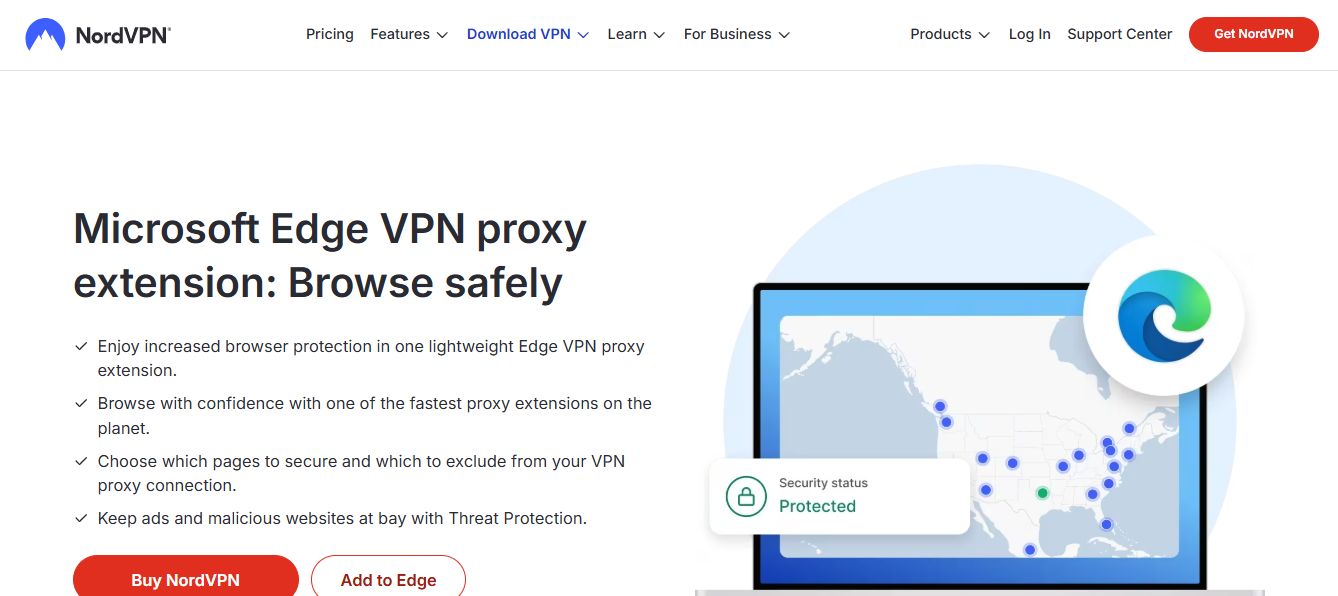
- Browser extensions: Some VPNs offer Edge-compatible extensions that only route traffic from the browser through the VPN. This can be convenient for lighter usage but may not protect non-browser apps or other device traffic. Also, some features like a kill switch or system DNS protection may be missing when relying solely on the browser extension.
Tips:
- For maximum protection, start with the VPN app on your device. Then you can optionally enable the browser extension for additional control inside Edge.
- If you’re streaming or torrenting, system-wide VPN protection is usually better than just a browser extension, because it guards all network traffic and not just what Edge requests.
- Always verify your VPN’s DNS settings in Edge after installation to avoid DNS leaks. You can test with online DNS leak tests to confirm.
How to choose a VPN for Edge vpn cbic use: protocols, privacy, and performance
When you’re picking a VPN for Edge with CBIC considerations in mind, focus on these areas: Edge vpn apk download 2026
- Protocol support: WireGuard for speed and modern cryptography. OpenVPN as a robust, widely supported option. IKEv2 for mobile devices when you need quick reconnects.
- No-logs policy: The VPN should explicitly state it doesn’t store user activity or connection logs. Check independent audits if possible.
- Jurisdiction and data requests: Prefer companies that minimize data disclosure requests and publish transparency reports.
- Kill switch and DNS protection: A kill switch prevents traffic leakage if the VPN disconnects. DNS leak protection ensures your DNS queries don’t reveal your real location.
- Split tunneling: Lets you decide which apps use the VPN and which don’t—handy if Edge is allowed to use VPN, while other apps stay on your local network for speed.
- Performance and reliability: Speed varies by server location. look for a provider with a broad server network ideally in or near Canada for best results and consistent speeds.
- Security features: Multi-hop servers, obfuscated servers to bypass network restrictions if needed, and strong encryption 256-bit AES, modern ciphers help keep data safe.
Step-by-step setup guide for Windows, macOS, Android, and iOS with Edge
Here’s a quick setup you can follow to get Edge behind a VPN, plus Edge-specific tips.
- Pick a VPN and create an account
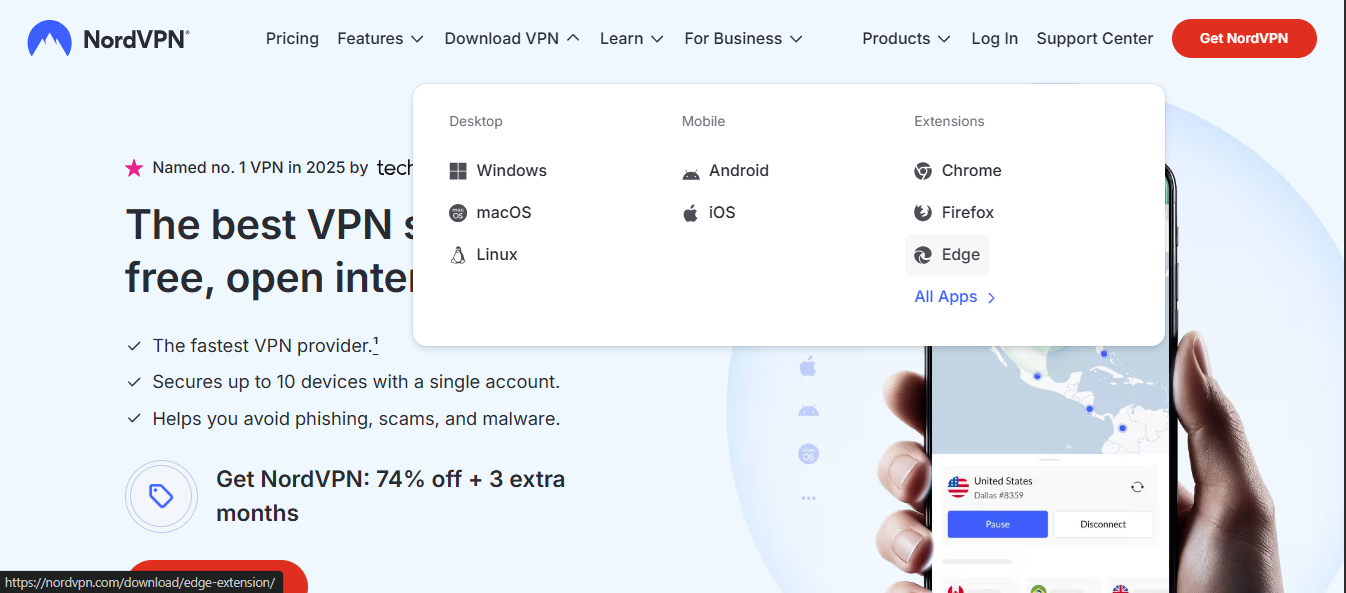
- Choose a VPN with apps for Windows, macOS, Android, and iOS, plus a browser extension for Edge if you like. A popular, reliable option is NordVPN, which often comes with a strong balance of speed, privacy, and user-friendly apps. If you’re exploring options, you can check the NordVPN deal here: NordVPN 77% OFF + 3 Months Free.
- Install the VPN app on your device
- Windows/macOS: Install the desktop app, log in, and run a quick health check kill switch enabled, DNS protection on.
- Android/iOS: Install the mobile app from the store, sign in, and set up automatic reconnect, if you like.
- Configure key privacy features
- Enable a Kill Switch: This blocks all traffic if the VPN drops, preventing accidental data exposure.
- Turn on DNS Leak Protection: This ensures DNS queries don’t reveal your location.
- Enable WebRTC protection: Some VPNs include a browser-level protection to reduce WebRTC leaks.
- Choose a strong protocol: WireGuard is a good default. OpenVPN is a solid alternative if you encounter issues with WireGuard.
- Connect to a server
- Pick a server location that matches your needs Canada for local content, US/UK for geo-locked content, or a privacy-friendly jurisdiction.
- Run a quick speed test and check latency to ensure Edge won’t buffer or lag.
- Open Edge and verify your connection
- In Edge, go to a site that shows your IP address for example, whatismyipaddress.com and confirm the IP matches the VPN server country, not your home location.
- Check for any WebRTC leaks by visiting a WebRTC test site. If there’s a leak, adjust your settings or use a browser extension to block WebRTC.
- Optional: use Edge extensions for added control
- If you want to route only Edge traffic, you can install a VPN browser extension. If you do, disable the system-wide VPN kill switch on your device to avoid conflicts, and use Edge-specific testing to ensure Edge traffic is properly covered.
- Test and verify
- After a change, test Edge’s reachability, streaming performance, and page load times. If you notice slowdowns, switch servers, or try a different protocol.
CBIC-related considerations during setup:
- Where data is stored and how it’s processed matters. If your activities involve sensitive information, prefer VPNs with strong data protection policies and, if possible, servers in jurisdictions with clear privacy laws.
- If your organization or workflow requires cross-border data handling, confirm your VPN’s data handling practices and ensure you’re aligned with local regulations.
Edge security 101: protect yourself beyond a VPN
A VPN is a powerful tool, but it isn’t a silver bullet. Pair it with these best practices:
- Disable WebRTC leaks in your browser when possible. In Edge, you can disable WebRTC from edge://flags or use a privacy-focused extension if your version doesn’t offer a direct setting.
- Enable automatic updates for Edge and your VPN client to stay protected against new vulnerabilities.
- Use strong, unique passwords for Edge and your VPN accounts. consider a password manager.
- Manage cookies and site data: Regularly clear cookies or use private browsing windows for sensitive sessions.
- Beware of phishing attempts. A VPN doesn’t shield you from social engineering. stay vigilant.
- Regularly verify your VPN’s IP and DNS configuration with online tests to ensure there are no leaks.
Privacy and legal considerations in Canada with CBIC
Canada has a mature privacy regime that frames how data can be collected and stored. The federal Personal Information Protection and Electronic Documents Act PIPEDA governs most private-sector data collection, while provincial rules may complicate cross-border data handling. The Office of the Privacy Commissioner of Canada OPC maintains oversight and enforces privacy principles, including purposes, consent, and data retention limits. In CBIC contexts as a concept in this guide, you’d want to ensure:
- Data flows related to your work with CBIC partners are minimized and controlled.
- You’re using encryption and access controls that meet or exceed industry standards.
- Data residency considerations are understood, especially if any data could be stored or processed outside Canada.
- Transparency with users or stakeholders about data handling is maintained, including any cross-border transfers.
From a practical standpoint, this means choosing a VPN that is transparent about data handling, has robust security features, and can provide a privacy-centric path for Canadians who want to keep their Edge browsing private. Does microsoft edge use vpn and how edge's secure network compares to a full VPN in 2026
Data points to know:
- Global privacy concerns driven by cross-border data sharing have prompted more stringent data protection expectations among individuals and organizations.
- In practice, Canadians frequently cite the importance of privacy when using online services, which has driven increased adoption of privacy tools like VPNs.
- The VPN market continues to grow quickly, spurred by demand for privacy, security on public networks, and the ability to access content from other regions while maintaining a Canadian IP when needed.
Performance, speed, and reliability: what to expect
When you enable Edge vpn cbic, you’ll likely see some speed changes depending on server distance, traffic, and the protocol you’re using:
- Typical speed loss ranges from 5% to 25% on standard networks, with better results when using closer servers and modern protocols like WireGuard.
- Latency ping usually increases by a small amount, which can affect real-time activities like video calls or online gaming. the impact is mitigated when you choose nearby servers and a fast protocol.
- If you’re streaming, choose servers optimized for streaming or those labeled for high-speed performance. Some VPNs offer specialized streaming servers to reduce buffering.
- For browsing and light usage, Edge combined with a fast VPN will feel nearly identical to normal browsing, with the benefit of privacy protection underneath the hood.
Common Edge vpn cbic misconceptions
- Misconception: “A VPN makes you completely anonymous online.” Reality: A VPN hides your IP and encrypts traffic, but it doesn’t guarantee complete anonymity. You still need to be careful with login data, browser fingerprints, and potential data leaks via plugins or insecure sites.
- Misconception: “All VPNs keep logs indefinitely.” Reality: Reputable VPNs publish their logs policy and often publish transparency reports. No-logs claims should ideally be backed by independent audits.
- Misconception: “VPNs slow to unusable levels.” Reality: Speed varies, but a high-quality VPN with modern protocols can incur only modest performance impact, especially on nearby servers.
- Misconception: “Browser extensions alone are enough for privacy.” Reality: Browser extensions may protect Edge traffic in the browser, but system-wide protection via the VPN app is the most thorough approach.
Best VPNs for Edge vpn cbic use reliable options
- NordVPN: A strong overall pick with fast WireGuard-based performance, robust privacy features, and broad platform support including Edge-friendly extensions. It often appears in top reviews for speed, reliability, and user experience. The current affiliate deal is featured in the introduction.
- ExpressVPN: Known for reliability and strong security features. simple to use across devices and works well with Edge.
- Surfshark: Great value with strong privacy features, unlimited device connections, and good performance.
- ProtonVPN: Focused on privacy and transparency, with strong encryption and a transparent approach to data handling.
- Private Internet Access PIA: Good balance of price and features, with a long history in the privacy space.
Note: When evaluating, look for independent audits, a clear no-logs policy, robust encryption, modern protocols, and a wide server network. Always test the service in your own environment to confirm compatibility with Edge and your typical internet usage.
Edge browser tips and tricks for privacy
- Regularly update Edge: Keep Edge up to date to benefit from the latest security patches and privacy features.
- Use Edge’s tracking prevention and privacy controls: Set to Strict or balanced mode to reduce ad networks and trackers while preserving usability.
- Enable password hygiene: Use a password manager and enable MFA where available.
- Consider a privacy-friendly search engine: Pair Edge with privacy-respecting search engines when appropriate to reduce data collection.
- Clear cookies and site data when needed: Regular cleanup helps minimize long-term profiling.
- Test frequently: Use online tools to check for IP and DNS leaks after enabling VPN protections.
- Combine with ad-blocking considerations: If you use ad-blockers, ensure they don’t interfere with essential site functionality.
Video-style tips for presenting Edge vpn cbic content
- Start with a catchy, practical scenario: “You’re at a coffee shop, Edge is loaded, and you want to keep your data private while you check banking or work emails.” Then show how a VPN helps and how CBIC considerations apply.
- Use real-world demonstrations: Show connecting to a VPN on Windows/macOS, then opening Edge to a geo-restricted page. Include quick checks for IP and DNS.
- Provide quick wins: How to enable kill switch, how to test for leaks, and how to verify Edge’s privacy settings work in tandem with VPN protections.
- End with actionable tips: How to choose a server, how to test speeds, and how to maintain privacy on the go.
Frequently Asked Questions
What does Edge vpn cbic mean?
Edge vpn cbic is a keyword combination used to discuss using the Edge browser with a VPN in a context that considers CBIC-related privacy and data handling in Canada. It combines browser choice Edge, a network privacy tool VPN, and compliance or privacy considerations CBIC for a practical privacy setup.
Can I use a VPN with the Edge browser?
Yes. You can use a VPN either through a system-wide VPN app that protects all traffic or via a VPN browser extension that routes Edge traffic. For best overall privacy, use a system-wide VPN app. Edge vpn apk latest version 2026
Is CBIC compliance important when using a VPN?
CBIC considerations reflect general privacy awareness and data handling in Canada. If you’re dealing with sensitive information or cross-border data flows, aligning with privacy rules and data residency expectations is wise. A privacy‑minded VPN helps you avoid unnecessary data exposure.
How do I set up a VPN on Windows to work with Edge?
Install a reputable VPN app, enable kill switch and DNS protection, connect to a server, and then open Edge to verify your IP address and DNS is correct. Optional: install the Edge extension if you want browser-level control.
Does using a VPN slow down my internet?
It can, depending on server load, distance, and protocol. Expect some speed changes, but with modern protocols like WireGuard and nearby servers, the impact is usually small and acceptable for most activities.
Are VPNs legal in Canada? Are there restrictions?
Yes, VPNs are legal in Canada. There are no general nationwide bans, but privacy and data handling laws apply. Use VPNs responsibly, and ensure you comply with local and CBIC-related rules when handling sensitive information.
What's the difference between a VPN app and a browser extension?
A VPN app routes all device traffic through the VPN, offering broader protection. A browser extension only routes browser traffic and may not provide kill switch or system-wide DNS protection. Edge secure network vpn: the ultimate guide to edge secure network vpn features setup speed privacy and safety in 2026
How can I prevent WebRTC leaks?
Disable WebRTC in Edge or use a privacy extension that blocks WebRTC. Some VPNs also offer built-in WebRTC leak protection. enable it if available.
How does a kill switch work?
A kill switch blocks all traffic if the VPN connection drops, preventing data from leaking outside the encrypted tunnel. It’s a critical feature for maintaining privacy if the VPN disconnects unexpectedly.
Can a VPN keep me completely anonymous?
A VPN improves privacy by masking your IP and encrypting traffic, but it doesn’t guarantee complete anonymity. You should still practice good security hygiene, use strong passwords, enable MFA, and be cautious with sharing personal data.
Which VPN protocols are best for Edge vpn cbic use?
WireGuard is fast and modern, OpenVPN is robust and widely compatible, and IKEv2 is good on mobile. Many VPNs let you switch between these depending on your network conditions and device.
How do I test VPN performance and speed?
Run a speed test with the VPN connected to a server near you. Check ping, download, and upload speeds, and compare to your baseline without the VPN. Also test streaming stability and Edge page-load times to evaluate real-world performance. Edge vpn built in 2026
Useful resources and references un-clickable in-text list for your convenience
- Microsoft Edge official site: microsoft.com/edge
- Canada Privacy Commissioner OPC: opc.ca
- Office of the Privacy Commissioner of Canada: ipc.gc.ca
- PIPEDA overview: priv.gc.ca
- Global VPN market overview: grandviewresearch.com
- NordVPN: nordvpn.com
- ExpressVPN: expressvpn.com
- Surfshark: surfshark.com
- ProtonVPN: protonvpn.com
- Privacy and data protection basics: en.wikipedia.org/wiki/Privacy
- VPN testing and privacy tools: vpnmentor.com, techradar.com
一键搭建vpn的完整教程:从服务器选择到脚本自动化的实操指南,适用于家庭和小型团队