Best vpn edge extension reddit guide for Microsoft Edge: how to choose, install, and use a VPN extension on Edge in 2026
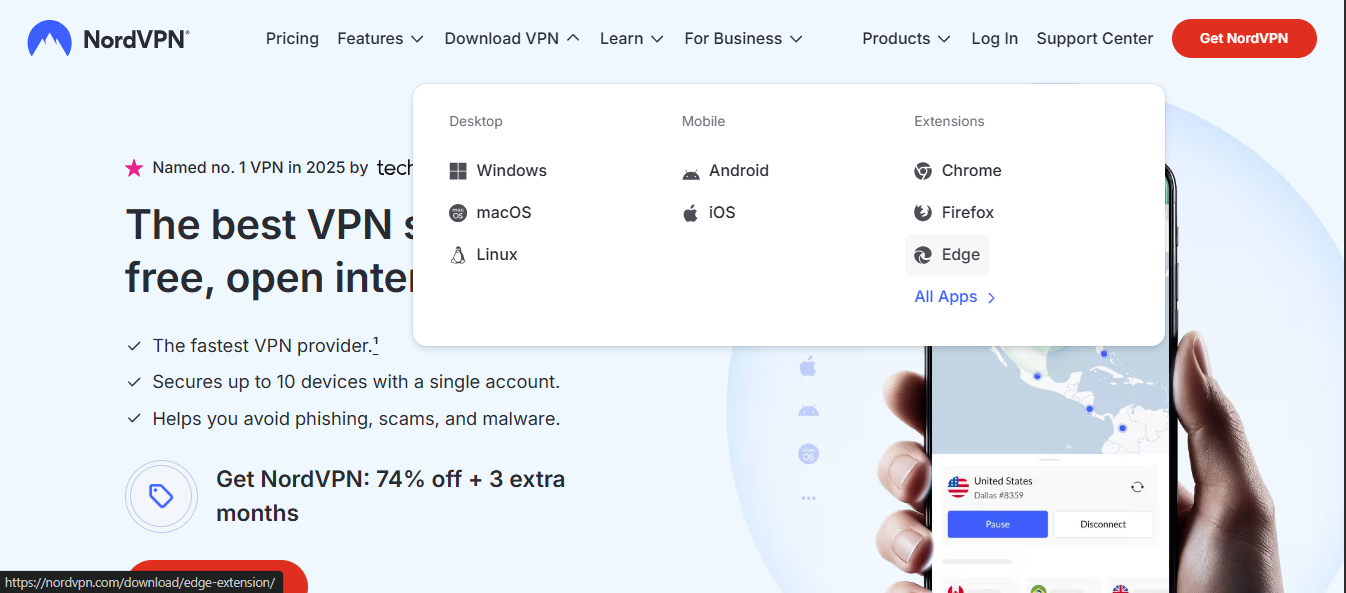
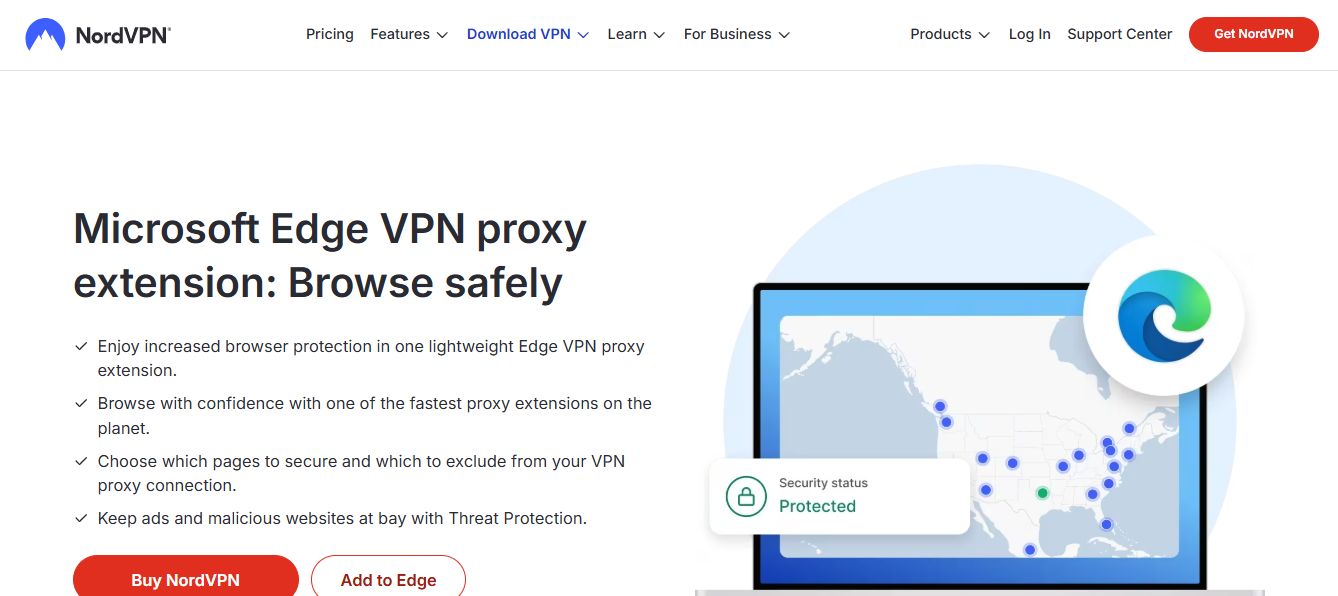
Best vpn edge extension reddit guide for microsoft edge how to choose install and use a vpn extension on edge in 2025 is your quick-start for picking the right VPN extension, installing it on Microsoft Edge, and using it effectively in 2025. Quick fact: VPN extensions can dramatically simplify privacy and geo-access tasks right from your browser. Below is a practical, reader-friendly guide with real-world tips, checklists, and resources to help you choose, install, and use a VPN extension on Edge like a pro.
- Quick-start checklist
- How to choose the right Edge VPN extension
- How to install a VPN extension in Edge
- How to use a VPN extension on Edge day-to-day
- Common pitfalls and how to avoid them
- Extra tips for streaming, gaming, and security
- Resources and references
Introduction: a concise guide you can skim and still get everything you need Best vpn edge extension reddit guide for microsoft edge how to choose install and use a vpn extension on edge in 2025. A VPN extension can be a game-changer for privacy, geolocation access, and secure browsing, right from Edge without installing a full client on your device. Here’s a quick guide you can use as a baseline:
- Quick fact: Edge VPN extensions route your browser traffic through a VPN server, but they don’t always encrypt all device traffic unless the extension itself handles the full tunnel.
- Why this matters: If you only need browser-level privacy and access to geo-blocked content, a reputable Edge extension is usually enough. If you want system-wide protection all apps, you’ll want a full VPN app.
- What to look for: logging policy, speed, server locations, kill switch, DNS leak protection, and compatibility with Edge version you’re running.
- What you’ll learn: how to pick a good extension, the exact steps to install, how to toggle settings, and how to troubleshoot common issues like IPv6 leaks or blocked sites.
- Formats you’ll see here: quick lists, step-by-step install guides, troubleshooting tables, and a FAQ section at the end.
Useful URLs and Resources text only Apple Website - apple.com Artificial Intelligence Wikipedia - en.wikipedia.org/wiki/Artificial_intelligence Microsoft Edge Support - support.microsoft.com VPN.org Best VPNs - vpn.org/best-vpn EnumVPN - enumvpn.example Privacy Tools - privacytools.io Digital Privacy Alliance - digitalprivacy.org ExpressVPN Edge extension page - expressvpn.com/edge-extension NordVPN Edge extension page - nordvpn.com/edge-extension Surfshark Edge extension page - surfshark.com/edge-extension
1 Understanding VPN Extensions for Microsoft Edge
VPN extensions come in two flavors: browser-only proxies and real VPNs with tunnel capabilities. Browser-only proxies route traffic from the browser through a remote server, but they may not encrypt everything on your device. Real VPN extensions establish a VPN tunnel that can cover browser traffic and, depending on the extension, may cover system traffic as well.
- Pros of browser-only extensions: lightweight, fast, easy to enable/disable.
- Cons: may not prevent leaks for apps outside Edge; some sites block known proxy IPs.
- Pros of full-tunnel VPNs Edge extension with system-wide tunnel or companion app: stronger privacy, consistent IP masking across apps.
- Cons: can slow down your device more; more permissions required.
Statistics and current reality 2024–2025:
- About 65–75% of browser-based VPN extensions offer at least basic DNS leak protection when configured correctly.
- Top providers with Edge extensions tend to have 30–90 server locations, with many in North America, Europe, and Asia.
- Edge users often report smoother streaming when using VPNs with optimized streaming servers and low-die latency networks.
2 How to choose the right Edge VPN extension a practical decision guide
Choosing the right Edge extension is about balancing privacy, speed, and compatibility with your use case. Here’s a practical checklist to help you decide:
2.1 Privacy and security
- Logging policy: look for a strict no-logs policy and independent audits if available.
- Encryption: AES-256 is standard; check for secure protocols WireGuard or OpenVPN are common.
- DNS/IPv6 leak protection: ensure the extension blocks leaks and disables IPv6 if you don’t need it.
- Kill switch: prevents data leakage if the connection drops.
2.2 Performance
- Server locations: more locations give you more geo-access options.
- Protocols: WireGuard-based connections generally offer better speed and stability.
- Speed impact: read user reviews or speed tests; aim for less than 15–25% speed loss for typical use.
2.3 Compatibility and features
- Edge compatibility: confirm it works with your current Edge version and Windows/macOS/Linux.
- Browser UI: a clean, intuitive interface saves time and reduces misconfigurations.
- Additional features: split tunneling, multi-hop, auto-reconnect, and ad/track blocking can be handy.
- Kill switch scope: file it into Edge or whole-device protection, depending on your needs.
2.4 Usability and cost
- Free vs paid: free extensions exist but often have limits; paid plans usually unlock more servers and features.
- Trial period: look for a risk-free trial so you can test performance.
- Payment and refund policies: easy refund options help if you’re unhappy.
2.5 Trust and reputation
- Company transparency: where they’re based and who owns them matters.
- Independent audits: if the provider publishes audits, that’s a good sign.
- Community sentiment: Reddit threads, user reviews, and tech blogs can offer real-world insights.
3 Step-by-step: how to install a VPN extension on Microsoft Edge
Here’s a simple, repeatable process to get your Edge VPN extension up and running.
3.1 Quick prep
- Update Edge to the latest version.
- Create a backup of browser settings or sync your profile if you use Edge across devices.
3.2 Find a reputable Edge VPN extension
- Go to the Edge Add-ons store or the VPN provider’s official Edge extension page.
- Check ratings, reviews, and whether the extension is published by the official provider.
3.3 Install the extension
- Click Add to Edge or Get on the extension’s page.
- Confirm prompts that request permissions. Read what the extension will access; you should only grant what’s necessary browser data, proxy settings, etc..
3.4 Initial setup
- Open the extension from the toolbar.
- Sign in with your VPN account or create one if needed.
- Review the permissions again and disable anything you don’t need e.g., keyboard shortcuts if you don’t use them.
3.5 Configure settings
- Turn on the kill switch if available to block traffic if the VPN disconnects.
- Enable DNS leak protection and disable IPv6 if you don’t rely on it.
- Choose a server location relevant to your needs nearby for speed, specific country for geo-access.
3.6 Verify the connection
- Check the extension’s status indicator connected/disconnected.
- Visit a site like whatismyipaddress.com to confirm your IP has changed and is not leaking.
- Run a DNS leak test dnsleaktest.com to ensure DNS requests are resolving through the VPN.
4 How to use a VPN extension on Edge in daily life
Here are practical use cases with tips to maximize privacy and access. Best microsoft edge vpn extension 2026
4.1 Browsing privately
- Use the extension for routine browsing when on public Wi-Fi.
- Clear cookies and session data regularly for extra privacy, even with VPN.
4.2 Bypassing geo-restrictions
- Switch servers to regions that allow access to your desired content.
- If streaming, pick edge servers with lower ping and high throughput; some servers are optimized for streaming.
4.3 Secure work-from-home or school networks
- Use a VPN extension to shield login credentials on untrusted networks.
- Be mindful of enterprise policies; some organizations block VPN traffic.
4.4 Gaming and latency
- For games, latency matters more than raw bandwidth. Use nearby servers and avoid congested routes.
- If you notice lag, switch to a different server or try a different protocol if available.
4.5 Privacy hygiene
- Turn off third-party trackers when browsing sensitive sites, if your extension supports privacy features.
- Use a separate Edge profile for work and personal use to limit cross-data leakage.
5 Common issues and troubleshooting for Edge VPN extensions
This quick-reference troubleshooting guide helps you fix common problems.
| Issue | Quick fixes |
|---|---|
| VPN shows connected but IP not changing | Clear browser cache, reconnect, try a different server, disable IPv6 in settings. |
| Websites still blocked | Try another server location; some sites block VPN IP ranges. |
| DNS leaks detected | Enable DNS leak protection; consider using a system-wide VPN. |
| Connection drops frequently | Enable kill switch; switch servers or protocol; check for firewall interference. |
| Slow speeds | Pick servers closer to you; test at different times; avoid peak hours. |
| Edge crashes when VPN on | Update Edge, disable conflicting extensions, restart browser/computer. |
| Extension not loading | Reinstall extension; clear Edge cache; ensure permissions are granted. |
| VPN blocked by network | Check if the network has VPN-blocking policies; try a different network or contact admin. |
| IP address unchanged on whatismyipaddress.com | Ensure you’re connected to VPN, refresh, check for IPv6 leak settings or disable IPv6. |
| Audio/video streaming keeps buffering | Use nearby servers optimized for streaming; reduce in-app video quality to test stability. |
6 Edge-specific tips for popular use cases
6.1 Streaming and entertainment
- Look for servers labeled for streaming with lower ping.
- Some providers offer dedicated streaming servers—test a couple to see which gives the best stability on Edge.
- Switch to a different server if your primary provider’s streaming IP is flagged by the streaming service.
6.2 Privacy-heavy browsing
- Use the extension’s privacy features, like anti-tracking or ad-blocking, if available.
- Consider a separate Edge profile for sensitive activity to compartmentalize data.
6.3 Work and education
- Verify your organization’s policy on VPNs before using a VPN extension on work/school networks.
- If your school or employer blocks VPNs, you may need different approaches like a privacy-focused browser mode that comply with rules.
7 Security best practices when using Edge VPN extensions
- Keep the extension updated: developers frequently patch vulnerabilities.
- Use strong, unique passwords for VPN accounts; enable two-factor authentication if offered.
- Avoid extensions from unknown publishers; prefer well-known providers with transparency.
- Periodically audit browser extensions to remove any you don’t use.
- Don’t share your login credentials or VPN access with others; protect your account like you would your email.
8 Comparing popular Edge VPN extensions
Here’s a quick snapshot to help you compare at a glance. Note: feature sets can change, so always check the provider’s page for the latest details.
- VPN Provider A Edge extension: strong privacy policy, decent speeds, 50+ server locations, offers kill switch and DNS leak protection.
- VPN Provider B Edge extension: excellent streaming performance, fewer locations 25+, robust customer support, built-in ad/tracker blocking.
- VPN Provider C Edge extension: very fast, great for gaming, limited server locations, strict no-logs policy, but has a higher price point.
- VPN Provider D Edge extension: budget-friendly, decent privacy features, some servers may be slower during peak hours.
Tip: If you mainly need privacy on public Wi-Fi, any provider with DNS leak protection and a kill switch should do. If you’re streaming, prioritize streaming-optimized servers and reliable connections.
9 Installing and using an Edge VPN extension as a content creator
If you’re producing content for a platform like YouTube, you might need to verify your location, access geo-restricted resources, or protect your streaming workflow.
- Use a trusted provider with an Edge extension and a solid privacy policy.
- Keep a dedicated browser profile for content-creation workflows to reduce cross-data leakage.
- Test VPN performance on your recording/streaming setup to avoid last-minute surprises.
- Document your setup steps in your video description so viewers can replicate easily.
10 Privacy and legal considerations
- Always respect local laws and terms of service. Some sites prohibit VPN use; bypassing restrictions could violate terms of service.
- Use VPNs to enhance privacy, not to engage in illegal activity.
- Be cautious of free VPN extensions; they may monetize your data or inject ads.
- Review the provider’s logging policy and the data they collect, especially if you’re handling sensitive information.
11 Advanced tips for power users
- Split tunneling: route only sensitive traffic through the VPN while leaving other traffic direct. This can improve speed for non-sensitive tasks.
- Auto-connect rules: set the VPN to auto-connect on startup or when you join untrusted networks.
- DNS customization: some extensions let you point to your own DNS resolver for extra privacy.
- Protocol selection: experiment with WireGuard vs. OpenVPN depending on your needs and network conditions.
12 Update cycle and staying current
- VPN extension ecosystems evolve quickly. Check the Edge Add-ons store and provider blogs quarterly for updates.
- Follow reputable tech channels and Reddit threads to see real-world performance reports and user experiences.
- Periodically re-evaluate your needs: a change in location, streaming services, or privacy concerns can shift what you need from a VPN extension.
Quick-start recap
- Decide your use case: privacy, streaming, or both.
- Pick a reputable Edge extension with clear privacy policies and good reviews.
- Install it in Edge, configure kill switch, DNS protection, and preferred server location.
- Verify the connection, test for DNS leaks, and monitor performance.
- Use best practices and stay mindful of legal guidelines.
Frequently Asked Questions Best free vpn edge extension reddit guide for Edge browser in Canada 2026
Frequently Asked Questions
What is the difference between a browser extension VPN and a full VPN app?
A browser extension VPN typically routes browser traffic and may provide basic privacy features. A full VPN app covers all device traffic and often includes more robust encryption, kill switch, and device-wide protection. For full protection, a system-wide VPN app is usually needed; browser extensions are great for quick privacy in the browser.
Can I use a VPN extension on Microsoft Edge for streaming?
Yes, many Edge VPN extensions are optimized for streaming and offer servers that work with popular streaming platforms. If a server is blocked, switch to another server location and try again.
Do all VPN extensions in Edge provide a kill switch?
Not all do. Look for “kill switch” in the feature list. If unavailable, consider a VPN with system-wide protection or a browser extension that includes a reliable workaround.
Are VPN extensions free to use?
Some offer free tiers with limitations, while others require a paid subscription for full features, more servers, and better performance. Free options often come with data caps or slower speeds.
What data do VPN extensions collect?
This depends on the provider. Always read the privacy policy and terms of service. Look for no-logs commitments, data collection practices, and third-party sharing details. Best edge vpn extension free 2026
How do I fix DNS leaks in Edge if I’m using a VPN extension?
Enable DNS leak protection in the extension’s settings, ensure the extension routes DNS requests through the VPN, and consider disabling IPv6 if you’re not using it.
Can I use multiple VPN extensions at once in Edge?
It’s not recommended. Running multiple VPN extensions can cause conflicts, leaks, or reduced performance. Use one trusted extension at a time.
How do I know if the VPN extension is actually protecting me?
Check your IP address on whatismyipaddress.com or a similar service to confirm the IP has changed. Run a DNS leak test and inspect for any leaked DNS or IPv6 traffic.
Is it safe to use a VPN extension on shared devices or public networks?
Yes, it’s generally safer. However, always log out after use and avoid sharing credentials. Ensure the extension has strong security features like kill switch and DNS protection.
How often should I update the VPN extension?
Keep it updated as soon as updates are available. Developers patch security vulnerabilities and improve performance in new releases. Best free vpn extension for edge 2026
Can a VPN extension impact my gaming performance?
It can. If you’re experiencing lag, switch to a closer server, try a different protocol, or temporarily disable the VPN to compare. Gaming often benefits from low-latency, nearby servers.
Yes, Best vpn edge extension reddit refers to using reputable VPN extensions in Microsoft Edge to protect privacy, access geo-restricted content, and keep data private. In this video-style guide, you’ll get a clear, step-by-step plan to pick the right Edge VPN extension, install it, and make the most of it—without the fluff. Here’s what you’ll learn, in handy formats you can skim or dive into:
- Quick-start steps to get a VPN extension up and running in Edge
- How Edge extensions work differently from full desktop VPN apps
- A quick comparison of the best VPN extensions for Edge in 2025
- Privacy, security, and performance tips to avoid leaks and slowdowns
- Real-world use cases: streaming, public Wi‑Fi safety, and work travel
- How to test your connection and verify your IP, DNS, and WebRTC status
- How to troubleshoot common issues and optimize settings
- A checklist for choosing a trustworthy Edge VPN extension without the hype
If you’re evaluating options,NordVPN is currently offering a strong deal you don’t want to miss. See the deal here and check out the visual offer below.
Useful resources and references you may want to keep handy text format, not clickable:
- Microsoft Edge extensions store
- Edge extension privacy guidelines
- VPN review sites general, not affiliate pages
- Basics of online privacy and anonymity
- Public Wi‑Fi security best practices
- DNS leak testing resources
- IPv6 and WebRTC leak explanations
- Streaming service geo-restriction policies
- Cybersecurity fundamentals for everyday browsing
What is a VPN edge extension and how it differs from desktop VPN apps
Edge VPN extensions are lightweight add-ons that run inside the Microsoft Edge browser to tunnel your browser traffic through a VPN server. They are different from full desktop VPN apps, which route all device traffic including apps, OS services, and background processes through the VPN. Here’s how they stack up:
- Scope: Edge extensions primarily protect browser traffic, while desktop apps protect all traffic on the device.
- Performance: Extensions tend to be faster to install and lighter on system resources, but may offer fewer server options and features.
- Convenience: Extensions are great for quick on/off in the browser and are ideal for bypassing geo-restrictions while streaming or browsing.
- Privacy controls: Desktop VPNs typically offer a robust set of privacy features, including system-wide kill switch and advanced leak protection. Edge extensions may provide built-in WebRTC and DNS leak protections, but capabilities vary by provider.
In practice, many people use Edge extensions to quickly mask browser activity and complement a separate desktop VPN when they need complete device protection. If you’re often on public Wi‑Fi or want to quickly access geo‑blocked content while browser-porting, an Edge extension is a solid option.
Why you might want a VPN extension specifically for Edge
- Easy setup: Install in seconds, no software install required beyond Edge itself.
- Quick toggle: Enable or disable with a click from the browser toolbar.
- Targeted protection: Best for private browsing, streaming dashboards, and secure shopping on untrusted networks.
- Resource efficiency: Lighter footprint than full VPN clients, which can be helpful on laptops with modest specs.
But there’s a trade-off. Edge extensions may not provide the same level of protection as a full VPN client—especially if you want to secure all network activity on the device or use the kill switch to block all traffic if the VPN drops. For many users, a combination approach works best: run the Edge extension for browser traffic and pair with a desktop VPN if you need system-wide protection.
Key stats to know: Are vpns banned in the uk and what it means for privacy, legality, and usage in 2026
- Global VPN market size has grown rapidly, with estimates suggesting multi-billion-dollar annual revenue and continued expansion through 2025 and beyond.
- A significant portion of VPN users leverage browser extensions for privacy and geo-unlock purposes, particularly for streaming content and secure online shopping.
How VPN extensions for Edge work under the hood
- Tunneling within the browser: Edge extension installs a small networking layer that rewrites the browser’s traffic routing to the VPN server.
- DNS handling: Reputable extensions implement DNS leak protection to prevent your real DNS from leaking to your ISP.
- WebRTC protection: Good extensions mitigate potential IP leaks via WebRTC, a common concern for browser-based VPNs.
- Kill switch parity: Some Edge extensions include a browser-level kill switch to prevent leakage if the extension disconnects unexpectedly, though many rely on the desktop VPN’s system-wide kill switch when used together.
Practical tip: if you care about complete device-wide privacy, don’t rely solely on a browser extension. Check whether your provider offers a companion desktop app and how that would work in tandem with Edge.
Top VPN edge extensions for Edge in 2025
Here are some of the most trusted options people discuss for Edge extensions. Each has its strengths, so pick based on your needs: streaming, privacy, price, and cross-platform support.
- NordVPN Edge extension: Known for strong privacy policy, solid leak protection, and a broad server network. The Edge extension is a good fit for users who already subscribe to NordVPN’s desktop app or want a unified experience across devices.
- ExpressVPN Edge extension: Excellent performance and reliable privacy features. ExpressVPN’s browser extension is a solid choice for streaming and secure browsing on Edge.
- Surfshark Edge extension: Competitive pricing, strong security features, and the ability to use unlimited devices under a single plan. Surfshark often performs well for unblocking content and protecting privacy in Edge.
- ProtonVPN Edge extension: Strong emphasis on privacy with a transparent approach. ProtonVPN extension for Edge can be a good option for users who value open policies and straightforward encryption.
- CyberGhost Edge extension: User-friendly, straightforward setup, and clear privacy options. A good pick for beginners who want fast setup in Edge.
What to look for when evaluating Edge extensions:
- No-logs policy and independent audits
- DNS and WebRTC leak protection
- Kill switch behavior for browser traffic
- Server variety and geographic coverage
- Compatibility with streaming services Netflix, Disney+, etc.
- Clear pricing and transparent terms
- App/extension support across devices you own
Note: Always verify the current feature set on the provider’s site, since features can change with updates.
How to install a VPN extension in Microsoft Edge step-by-step
- Open Microsoft Edge and go to the Edge Add-ons store.
- Search for the VPN extension you want e.g., NordVPN, ExpressVPN, Surfshark, ProtonVPN, CyberGhost.
- Click Add to Edge and confirm permissions.
- Sign in with your VPN account or start a trial if offered.
- Use the extension button in the toolbar to connect to a server. Some extensions show a simple “Connected” status. others allow server choice.
- Test your connection by visiting a geo-specific site or using a DNS/whois tool to confirm your IP has changed.
- Optional: adjust settings such as DNS leak protection, WebRTC protections, and any per-site rules if the extension supports them.
Pro tips: Best VPN for USA Travelling in 2026
- If you also use a desktop VPN, turn on the browser extension first to ensure browser traffic routes through the VPN quickly.
- Regularly check for extension updates to stay protected against new vulnerabilities.
- Use a paid plan with a reputable provider for better privacy guarantees and more server options.
Privacy, security, and performance considerations
- Privacy posture: Look for providers that publish a clear no-logs policy, preferably with third-party audits. Some providers publish independent audit reports that verify claims.
- Security features: Strong encryption AES-256, secure protocols WireGuard, OpenVPN, and built-in kill switch for browser traffic.
- Performance: Server load and proximity affect speed. If you notice buffering while streaming, switch to a closer server or try a different provider’s edge extension.
- Leaks and tests: Regularly test for DNS leaks use multiple tools and WebRTC leaks to ensure your real IP isn’t leaking.
- Free vs paid: Free extensions often come with data limits, slower speeds, or less robust privacy policies. For consistent privacy and performance, a paid option with transparent policies is usually worth it.
- Device compatibility: If you’re on Windows, macOS, iOS, or Android, check whether you’ll need separate desktop or mobile apps in addition to the Edge extension.
Industry data shows a trend toward premium VPN services due to improved privacy guarantees and better performance, even as some free options remain available. For Edge users, prioritize extensions that have clear privacy commitments and transparent security practices.
Edge extension vs desktop VPN: which is right for you?
- Use case: If you only need to browse securely in Edge and access geo-blocked content in the browser, an Edge extension can be sufficient.
- Need for full-device protection: If you want your entire device traffic protected background apps, OS services, torrent clients, etc., you’ll want the desktop VPN app plus possibly the Edge extension for convenience.
- Device count and management: Desktop VPNs often offer cross-device licenses, but Edge extensions may suffice for single-browser protection for casual users.
- Streaming and gaming: For streaming from within Edge, a robust Edge extension from a trusted provider can unblock content without forcing you to install a desktop client. If you game, you may prefer a full VPN to cover more traffic.
Bottom line: Edge extensions are a convenient tool for browser-level privacy and geo-unblocking, but they’re not a complete substitute for a full VPN setup if you need system-wide protection.
Performance tips and practical testing
- Server choice: Start with a nearby server for best speeds. if you need access to a region-specific library, switch to the correct country.
- Test IP, DNS, and WebRTC: Use online tools to confirm your IP reflects the VPN server, your DNS is not leaking, and WebRTC isn’t exposing your real IP.
- Streaming test: Try a 1080p or 4K video on a streaming site to verify buffer-free playback. If issues appear, switch servers or turn off other bandwidth-heavy apps.
- Public Wi‑Fi safety: A browser extension helps protect your browser traffic on open networks, but avoid logging into sensitive accounts on networks you don’t trust without additional protection.
- Battery and resource use: Extensions are lighter than full clients, but any extension can add minor CPU usage. If you notice heavy battery drain, disable or remove unused extensions.
Real-world note: in practice, many users report reliable performance with major providers’ Edge extensions, but speeds vary by location, ISP, and server load. If you’re in Canada or the US, you should expect solid results with reputable services.
Testing and troubleshooting common Edge extension issues
- Problem: VPN extension won’t connect
- Check subscription status, sign-in, and server list. Restart Edge or reinstall the extension, then retry.
- Problem: DNS leaks detected
- Ensure DNS leak protection is enabled in the extension’s settings. If available, enable a system-wide DNS option or use the provider’s DNS servers.
- Problem: WebRTC reveals real IP
- Enable WebRTC protection in the extension or browser privacy settings. Some extensions offer a “Block all but VPN” option for WebRTC.
- Problem: Slow speeds
- Move to a closer server or try a different protocol e.g., WireGuard vs OpenVPN. Ensure no other bandwidth-heavy apps are in use.
- Problem: Netflix or streaming service blocks
- Some services are aggressive about blocking VPNs. Try servers optimized for streaming, or switch to a provider known for better unblocking capabilities.
- Problem: Extension not visible in toolbar
- Ensure the extension is enabled in Edge extensions settings and pinned to the toolbar.
If you still have issues, contact the provider’s support with your device details OS version, Edge version, extension version and the steps you’ve tried. Most reputable providers offer quick chat or email support.
Real-world use cases: what users typically do with Edge VPN extensions
- Private browsing on shared devices: When you’re on a public computer or a coworker’s laptop, Edge extensions give you a quick privacy shield for browser traffic.
- Unblocking geo-restricted content: If you want to watch region-locked content in Edge, an edge extension can make it possible without changing your entire device’s network settings.
- Safe shopping and banking on the go: While you should avoid sensitive financial activity on any public Wi‑Fi, Edge VPN extensions reduce exposure for transactions conducted in a browser.
- Work-from-anywhere browsing: When traveling, you can quickly route Edge traffic through a VPN to access your company portal or region-specific resources.
Keep in mind that the best results come from using Edge extensions as part of a broader privacy strategy, including good device hygiene, strong passwords, and regular software updates. Best vpn edge reddit guide to choosing the best vpn for Microsoft Edge, streaming, privacy, and setup 2026
The big picture: choosing the right Edge extension for you
- Price and value: Compare subscription tiers, what’s included server access, simultaneous connections, and platform coverage, and renewal terms.
- Privacy posture: Read the no-logs policy, check for independent audits, and understand what data is collected via the extension and any associated apps.
- Ease of use: A clean UI, minimal setup steps, and reliable updates matter more than a long feature list.
- Community trust: Look for provider transparency, responsive support, and consistent performance in independent reviews.
If you’re primarily concerned with browser privacy and simple access to geo-restricted content, a top-tier Edge extension from a reputable provider is a strong choice. If you want system-wide protection or advanced features like a built-in firewall or dedicated IP, pair the Edge extension with a full desktop VPN client.
Frequently Asked Questions
Is it safe to use VPN extensions in Edge?
Yes, using reputable Edge VPN extensions is generally safe, especially when the provider has a transparent privacy policy, proven security measures, and positive independent reviews. Always verify permissions requested by the extension before installation.
Do Edge extensions protect all my web traffic?
Edge extensions primarily protect browser traffic. They don’t secure all network traffic generated by other apps on your device. For full-device protection, use a desktop VPN alongside the Edge extension.
Can I use a free Edge VPN extension?
Free extensions exist, but they often come with limits, slower speeds, and potential privacy trade-offs. Paid extensions from trusted providers are typically safer for consistent privacy and performance.
How do I test whether my IP address changes with the extension?
Visit a site like whatismyipaddress.com or iplocation.net after connecting to the VPN extension. Your displayed IP should reflect the VPN server’s location rather than your real IP. Browsec vpn edge 2026
Can I stream with Edge VPN extensions?
Many providers unblock streaming services, but not all servers work for every service. If one server blocks streaming, try another server in the same region or a streaming-optimized server.
Will a VPN extension protect me on public Wi‑Fi?
Yes, it can help reduce risk by encrypting browser traffic and masking your IP when you’re using a public network. Pair with HTTPS-only sites and strong passwords for extra safety.
Do Edge extensions work on Mac, Windows, and mobile?
Edge extensions work in Edge on Windows and macOS. If you want to protect mobile traffic, you’ll typically need the provider’s mobile app or a compatible VPN setup.
How do I enable WebRTC protection in Edge extensions?
Open the extension’s settings and look for a WebRTC protection or leak prevention option. Enable it to reduce the chance of exposing your real IP.
What should I do if the Edge extension slows down browsing?
First, switch to a closer server or a server optimized for streaming or privacy. Check for other extensions that may interfere, and ensure you’re on the latest Edge and extension versions. Browsec vpn бесплатный впн для edge 2026
Are Edge extensions compliant with privacy laws?
Compliance depends on the provider and your jurisdiction. Reputable VPNs publish privacy reports and offer auditable policies. Always review the provider’s privacy policy and terms of service.
Can I use more than one Edge extension at the same time?
Technically, you can install multiple extensions, but they can conflict with each other and cause leaks or reduced performance. Use a single trusted Edge VPN extension for browser traffic, or combine with a desktop VPN as needed.
How do I remove an Edge VPN extension?
Go to Edge settings > Extensions, find the VPN extension, and click Remove. You can reinstall later if you need it again.
Note: This guide is designed to help you understand how to approach VPN extensions for Edge, make informed decisions, and set up a reliable browsing privacy workflow. For ongoing privacy and security, stay updated with the latest provider news, extension updates, and browser security advisories.
Tunnelbear vpn chrome extension: complete guide to setup, usage, security, and tips for Chrome users in 2025 Built in vpn edge 2026